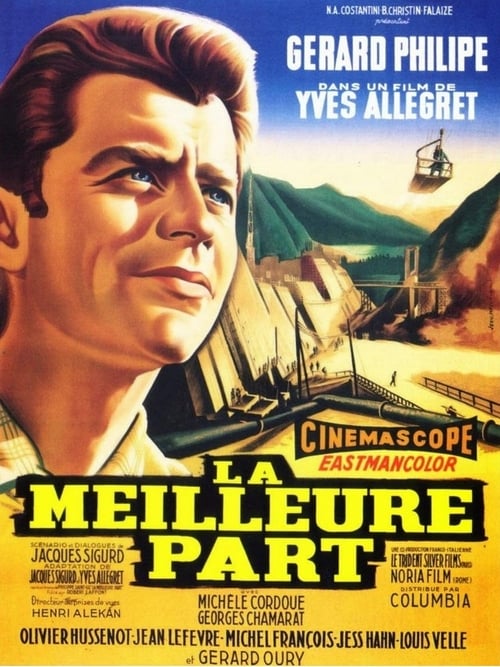
The Best Part
1955
No user ratings available yet
Representation score: 4.8 out of 10
Representation Score
Fair
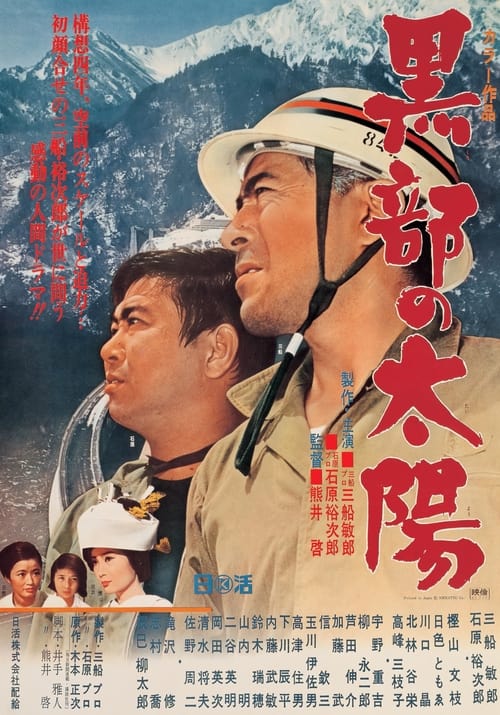
1968
Director
Kei Kumai
Runtime
196 minutes
Average Rating
No ratings yetNew Showbiz Analysis
The Sands of Kurobe is a socially realistic film that prioritizes historical accuracy and class struggle over modern characters who reflect more than one aspect of diversity. It explores the tension between industrial needs and human welfare through the lens of labor relations. While the film does not include contemporary markers of gender or LGBTQ+ diversity, it effectively highlights the systemic pressures faced by workers. By focusing on the socioeconomic hardships of the working class, the film critiques the human cost of national development. Ultimately, the film's strength lies in its critique of the human cost of rapid industrialization, even though it remains tied to the traditional social structures of its time.
Category Breakdown
Set in a mid-20th-century industrial environment, the film focuses on traditional family structures and male-dominated workplaces without addressing non-binary or LGBTQ+ identities.
The story emphasizes traditional gender roles where men hold most of the professional power and decision-making, while the protagonist's role as a father is central to the plot.
The film features an ethnically uniform cast, reflecting the historical composition of the Japanese workforce. It avoids whitewashing but does not actively diversify the cultural landscape.
The movie critiques the human cost of rapid industrialization, highlighting conflicts between management and labor unions without glorifying industrial progress.
The film realistically depicts the physical toll of heavy labor on workers, integrating these experiences into the characters' lives.
Present on Screen
Limited or Absent
Official Synopsis
Kitagawa is an engineer charged with construction of a gigantic tunnel through the Japan Alps for the transportation of equipment in the building of the massive Kurobe Dam. The tunnel crosses an earthquake fault and Kitagawa is beleaguered not only by cave-ins and flooding, but by strife between management and the workers's union. Adding to Kitagawa's stress is the knowledge that as his attention is pulled inexorably toward the tunnel construction, his youngest daughter is dying from leukemia.
1955

1960

1961

1955
2001

1960

2010

2023
No reviews yet. Be the first to share your thoughts on this movie!
Use the rating form above to leave a star rating and optional review.