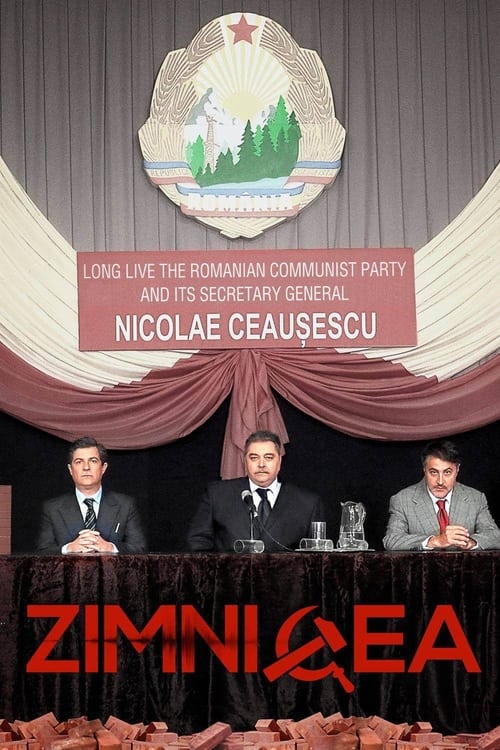
Zimnicea
2020
No user ratings available yet
Representation score: 4.7 out of 10
Representation Score
Fair
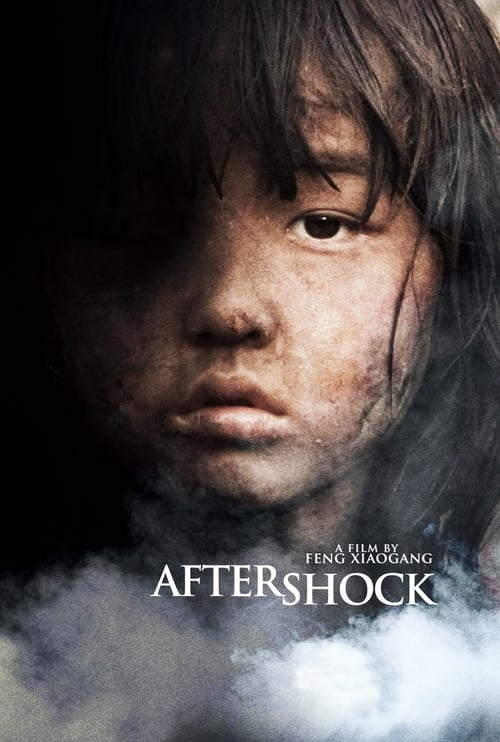
2010
Not RatedDirector
Feng Xiaogang
Runtime
135 minutes
Average Rating
No ratings yetNew Showbiz Analysis
Aftershock subverts the standard disaster genre by centering its emotional weight on women's ability to drive the story. The protagonist's agonizing decision during the catastrophe drives the film's moral core, moving beyond simple survival clichés. While the film remains within traditional cultural and familial frameworks, it offers a nuanced look at human resilience. It avoids caricature when depicting the long-term psychological impacts of trauma. The production is culturally specific and homogeneous, providing an authentic historical lens rather than a blended or globalized perspective.
Category Breakdown
The film focuses on the biological and emotional bonds of a nuclear family. There is no discernible presence of non-straight or non-cisgender identities or narratives that critique the assumption that everyone is straight or cisgender.
The narrative centers on the female experience through the protagonist, Fang Dongmei. She serves as the primary emotional anchor and driver of the film's moral complexity and resilience.
Set in 1976 China, the film presents a culturally homogeneous cast. It provides an authentic immersion into a specific ethnic and historical context during a period of national upheaval.
The story explores the tension between individual survival and collective duty. It emphasizes themes of familial duty and national unity rather than deconstructing specific religious or capitalist institutions.
Characters navigate the physical injuries and psychological trauma caused by the earthquake. The film treats the invisible weight of PTSD and visible injuries with gravity and psychological depth.
Present on Screen
Limited or Absent
Official Synopsis
Tangshan, 1976. Two seven-year-old twins are buried under the rubble of the deadliest earthquake of the 20th century. The rescue team explains to their mother that freeing either child will almost certainly result in the death of the other. Forced to make the most difficult decision of her life, she finally chooses to save her son. Though left behind as dead, the little girl miraculously survives, unbeknownst to her brother and mother.
2020
1992
2018
1989
2012
2015
2008

2016
No reviews yet. Be the first to share your thoughts on this movie!
Use the rating form above to leave a star rating and optional review.