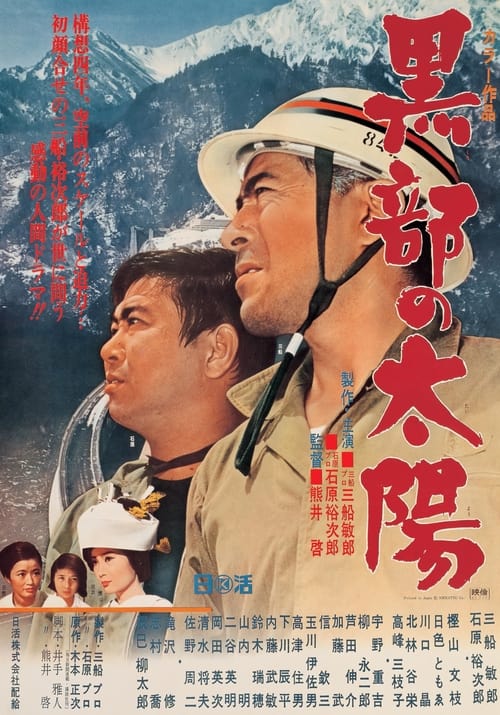
The Sands of Kurobe
1968
No user ratings available yet
Representation score: 4.2 out of 10
Representation Score
Limited
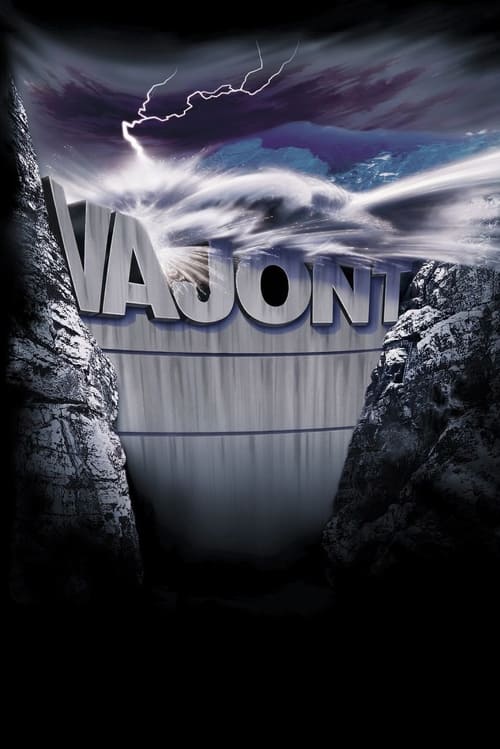
2001
Director
Renzo Martinelli
Runtime
116 minutes
Average Rating
No ratings yetNew Showbiz Analysis
Vajont is a film that critically examines systemic negligence, reinterpreting the historical tragedy of the Vajont dam collapse as a critique of institutional corruption. By centering journalist Tina Merlin, the film challenges traditional narratives of industrial progress, highlighting the conflict between corporate expansion and human safety. While the film lacks modern diversity, it excels in its cultural critique. It dismantles the myth of progress by depicting the SADE corporation and state authorities as entities that prioritized hydroelectric expansion over the lives of citizens. The film goes beyond a mere historical recount to become a study of accountability. It effectively frames the disaster not as an unavoidable accident but as a predictable outcome of systemic failures and political inertia.
Category Breakdown
The film contains no LGBTQ+ characters or narratives. The story focuses exclusively on the geological and socioeconomic aspects of the Vajont disaster.
The film features Tina Merlin as a strong central figure who challenges the male-dominated hierarchy of engineers and politicians. She actively drives the story forward, acting as an intellectual force for truth rather than a passive observer.
The story focuses on a culturally homogeneous Italian mountain community. It does not explore modern racial diversity but instead highlights the class divide between villagers and the corporate elite.
The film provides a critical look at Western institutional structures and industrial capitalism. It portrays corporate and state authorities as entities that prioritize profit over human life, emphasizing their predatory nature.
The film does not specifically address disability as a narrative element. Instead, it focuses on the physical trauma and loss caused by the landslide.
Present on Screen
Limited or Absent
Official Synopsis
On October 9th, 1963, at 10:39 pm, 260 million cubic meters of rock fell down from Mount Toc to the artificial lake formed by the Vajont dam, the higher dam in the world. The landslide formed a 250-meters wave and 50 million cubic meters of water completely destroied all the below towns, killing more than 2000 people. Planned by engineer Semenza, Vajont dam (263 meters) had to carry the electricity in all the houses of the country. Tina Merlin, a journalist from 'L'Unitá', tried for years to denounce the danger to build a dam near the Mount Toc and expecially to denounce all the omissions by the corrupted politicians and workers in charge of the dam construction. They preferred to trust in old geologist Dal Piaz instead to hear engineer Semenza young son's alarming analysis. No one seemed to understand the high danger until that October fatal night.
1968
1963
1926
1972

2010

1960
1955
2025
No reviews yet. Be the first to share your thoughts on this movie!
Use the rating form above to leave a star rating and optional review.