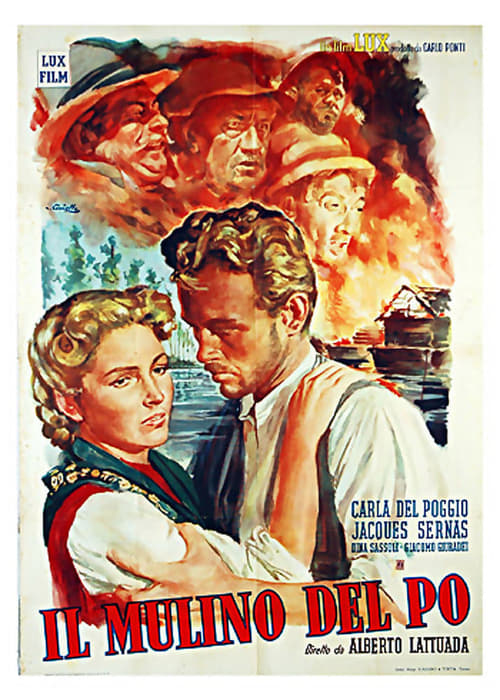
The Mill on the Po
1949
No user ratings available yet
Representation score: 5.2 out of 10
Representation Score
Fair
1986
Director
Paul Cammermans
Runtime
90 minutes
Average Rating
No ratings yetNew Showbiz Analysis
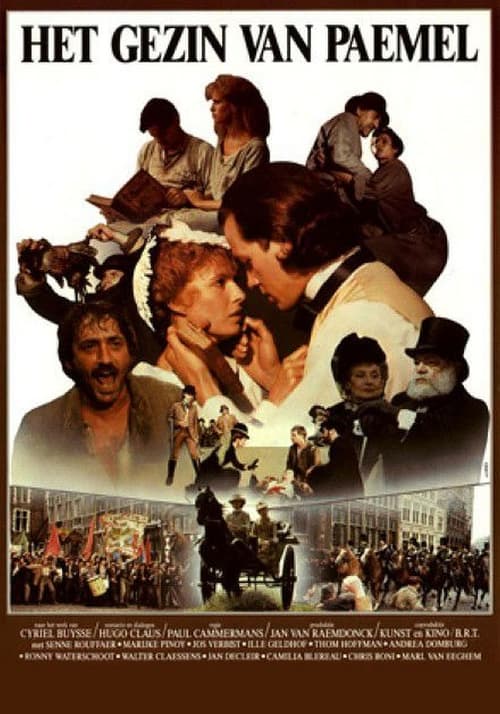
The film functions as a social realist critique of class and institutional power. It avoids traditional celebrations of history, focusing instead on the erosion of the agrarian family unit and the systemic pressures of land ownership. While the narrative offers a progressive perspective on class hierarchies and socialist movements, it remains confined by its historical setting. The absence of racial and LGBTQ+ diversity reflects a narrow, homogeneous socio-economic focus. Ultimately, the film challenges idealized historical stability by presenting the landed gentry as a disruptive force and highlighting the struggles of the working class.
Category Breakdown
The film does not include any representation of LGBTQ+ identities or queer subtext. Romantic storylines follow traditional structures, such as Cordule's affair and Romanie's pregnancy.
Female characters take active roles by challenging patriarchal expectations through their romantic choices. However, the narrative also emphasizes their vulnerability within domestic service and reproductive contexts.
Set in a historical European context, the story focuses on a homogeneous socio-economic environment. There is no evidence of racial diversity or non-white actors.
The film critiques Western institutions by showing the landed aristocracy as a source of instability. It highlights class conflict and the breakdown of the traditional family structure.
Désire's condition as an invalid after a hunting accident introduces physical disability. His situation serves as a central factor influencing the family's changing dynamics.
Present on Screen
Limited or Absent
Official Synopsis
The family patriarch Van Paemel is a farmer on baron de Wilde's estate. His mild-mannered son Désire is accidentally shot during a hunting party on the estate and remains an invalid. Eduard, the eldest son, is a member of the socialist workers' movement and involved in strike actions in the city. Against her father's wishes, his daughter Cordule starts an affair with the poacher Masco. His youngest daughter, Romanie, is forced to work as a domestic servant at the castle, where she is seduced by Maurice, the baron's son and heir, and becomes pregnant. When the youngest son Kamiel also has to leave the farm because he is drafted into the army, the lack of workers on Van Paemel's farm becomes critical. As a result, the family is evicted from their home because they cannot pay the rent. Three of the children emigrate to the USA, one becomes a nun and one dies, until only the farmer and his wife remain.
1949
1984

1968
1940
1942
1971

2018

1984
No reviews yet. Be the first to share your thoughts on this movie!
Use the rating form above to leave a star rating and optional review.