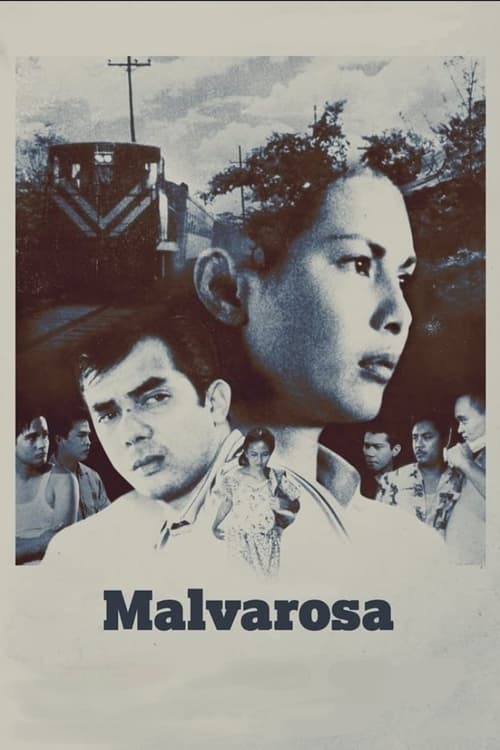
Malvarosa
1958
No user ratings available yet
Representation score: 3.8 out of 10

Representation Score
Minimal
1961
Director
Luis Lucia
Runtime
100 minutes
Average Rating
No ratings yetNew Showbiz Analysis
Ha llegado un ángel is a quintessential product of its era, designed to uphold the prevailing social and moral hierarchies of 1960s Spain. The film prioritizes the restoration of traditional order over the disruption of patriarchal structures. While the protagonist, Marisol, displays individual grit and ability to act, this strength is expressed through domestic stabilization rather than challenging systemic norms. The production reflects the demographic and cultural homogeneity of its time, offering a narrative that reinforces the status quo through a conservative lens.
Category Breakdown
The film adheres strictly to the conventions that assume everyone is straight or cisgender. It functions within a traditional romantic comedy framework that reinforces conventional courtship patterns.
Marisol embodies the 'ingenue' archetype, using her charm to restore order to a dysfunctional household. Her role is channeled into traditional domestic duties and emotional labor to preserve familial harmony.
The cast reflects the demographic homogeneity of early 1960s Spanish urban life. The setting presents a culturally uniform environment with no representation of diverse ethnic backgrounds.
The narrative promotes traditional values, emphasizing social cohesion and the importance of the family unit. It reinforces the stability of the status quo rather than critiquing social institutions.
Characters occupy standard middle-class roles without addressing neurodivergence or physical impairments. There are no visible or invisible disabilities portrayed with real power in the narrative.
Present on Screen
Limited or Absent
Official Synopsis
After losing her father at sea, young Marisol leaves Cádiz for Madrid, stepping into a household unraveling under the vanity of her aunt Leonor and the chaos of her spoiled cousins. With Javier facing jail, Churri chasing suitors, Jorge skipping studies, and little Pili lost in cinema dreams, Marisol takes it upon herself to restore order. Armed with grit, a loyal maid, and a friend from the train, she battles dysfunction and deception—earning Leonor’s scorn but fighting for a family worth saving.
1958

1945
1965

1976
1953

1961
1949
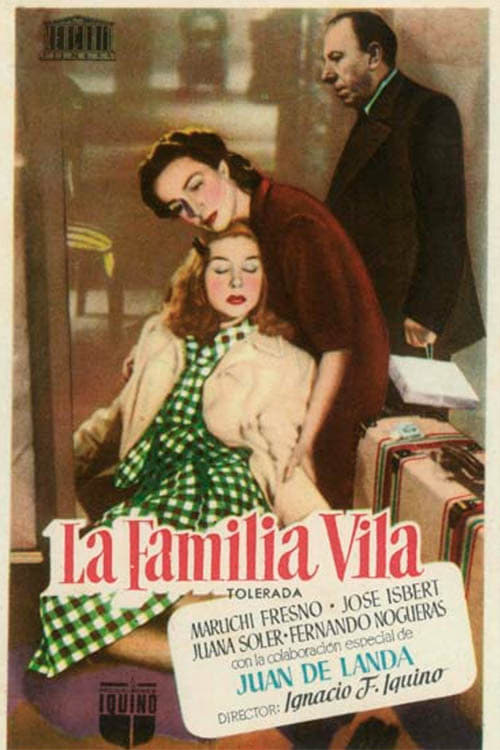
1950
No reviews yet. Be the first to share your thoughts on this movie!
Use the rating form above to leave a star rating and optional review.