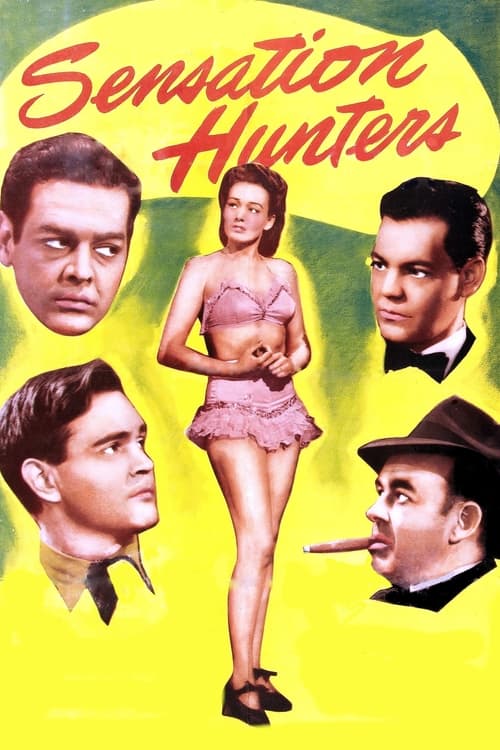
Sensation Hunters
1945
No user ratings available yet
Diversity score: 2.2 out of 10

1952
TV-GDirector
Joselito Rodríguez
Runtime
100 minutes
Average Rating
No ratings yetSynopsis
Bad girl makes lives miserable.
Overall Score
Limited
Category Breakdown
LGBTQ+ Representation
The film reflects the rigid heteronormativity of 1952 Spain. There is no evidence of non-cisnormative identities or critiques of traditional social structures.
Gender Representation
The narrative focuses on a 'bad girl' whose actions cause misery. This likely serves as a cautionary tale to reinforce traditional gender hierarchies rather than granting female agency.
Racial & Ethnic Diversity
The production context suggests a homogeneous demographic. There is no indication of diverse casting or non-white protagonists used to challenge social constraints.
Religious & Cultural Diversity
The premise centers on sin and moral failure. This aligns with the era's focus on preserving the family unit and upholding traditional Western institutional values.
Disability Representation
No information is available regarding the depiction of physical or neurodivergent characters in this film.
Strengths
Areas for Improvement
AI Analysis
When Children Sin is a traditional mid-century melodrama rooted in the moralistic frameworks of 1950s Spain. The story appears to function as a cautionary tale, using female transgression to uphold established social and familial norms rather than challenging them. The film lacks intentionality regarding the disruption of social hierarchies. It operates within a period where heteronormativity and homogeneous casting were the standard, offering little representation for marginalized identities or diverse cultural perspectives. Ultimately, the work serves to reinforce the conventional expectations of its era. It prioritizes the preservation of traditional morality over the exploration of intersectional agency or progressive narrative architecture.
1945
1939
1947
1954

1994

1950
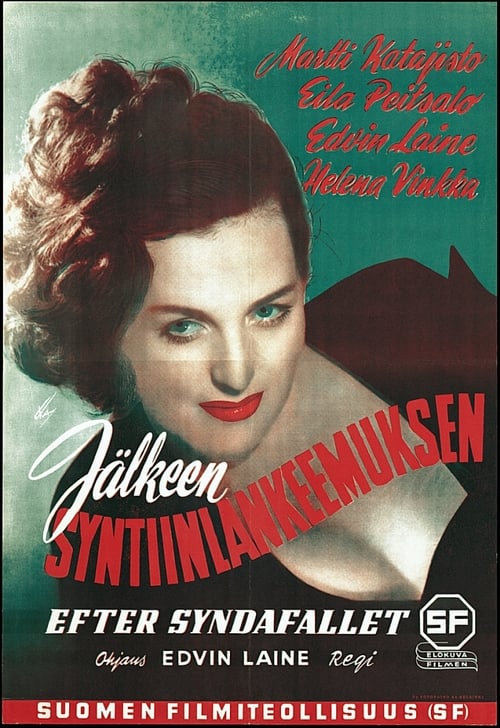
1953
1956
1959

1959

1952

1943
No reviews yet. Be the first to share your thoughts on this movie!
Use the rating form above to leave a star rating and optional review.