Keeping Company
1940
No user ratings available yet
Representation score: 2.7 out of 10
Representation Score
Minimal
1944
PGDirector
David Lean
Runtime
111 minutes
Average Rating
No ratings yetNew Showbiz Analysis
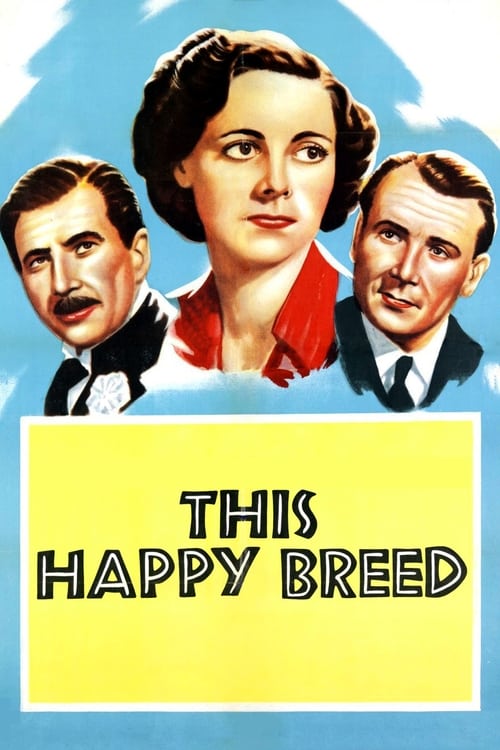
This Happy Breed functions as a study of social continuity within a traditional English village. The narrative structure reinforces the social hierarchies of the interwar period rather than challenging them. It prioritizes the preservation of community and established Western institutions. By centering on the Gibbons family lineage, the film creates a narrow social lens. The story avoids multi-layered or non-normative perspectives entirely.
Category Breakdown
The film maintains a strictly heterosexual structure, focusing on the reproductive continuity of the Gibbons family without depicting any non-traditional gender identities or same-sex relationships.
Women demonstrate emotional strength and resilience during wartime. However, their roles remain largely defined by domestic duties and their relationships to the family unit.
The cast is ethnically uniform, reflecting a localized vision of a rural English village. It lacks characters from diverse ethnic backgrounds or multi-ethnic perspectives.
The narrative celebrates Western social cohesion and traditional institutions. The village church and established social order are presented as stabilizing forces.
There is no significant focus on characters with physical or neurodivergent disabilities. Characters are defined by their socioeconomic roles rather than by physical or mental impairments.
Present on Screen
Limited or Absent
Official Synopsis
A chronicle of the lives of the Gibbons family, from shortly after the end of the First World War to the beginning of the Second.
1940
1945
1950
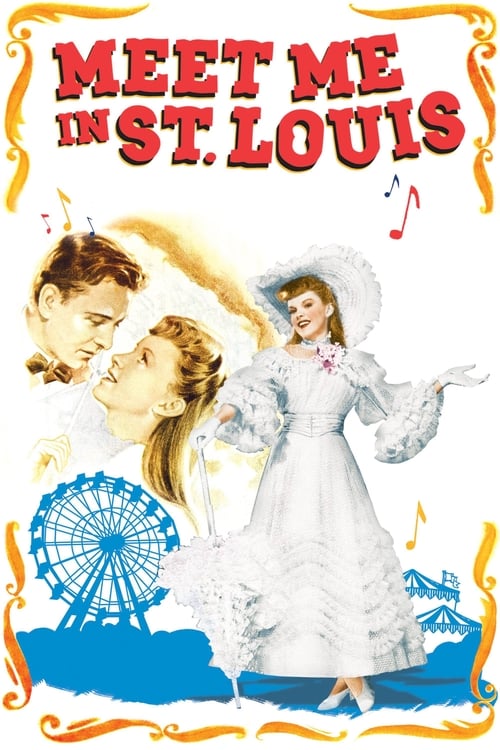
1944
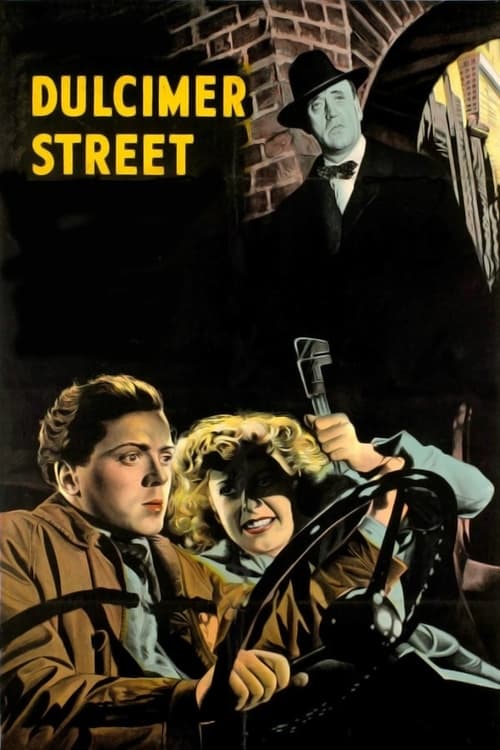
1948
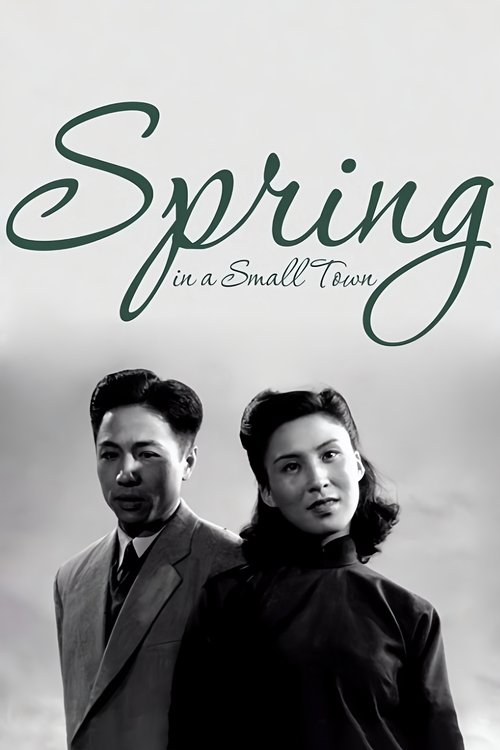
1948
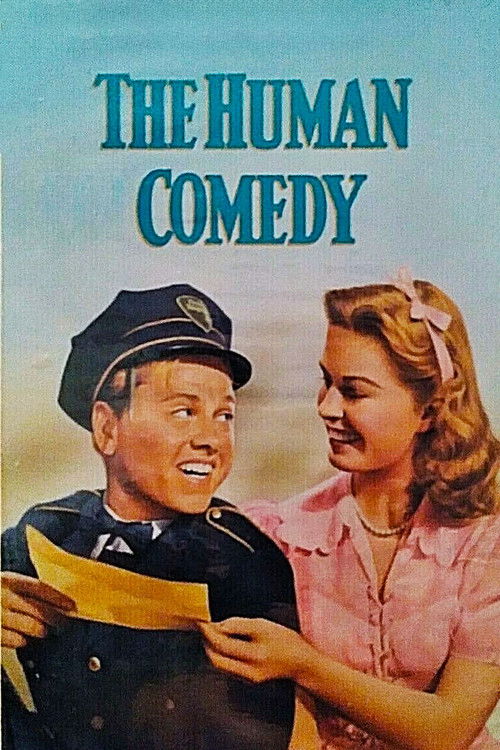
1943

1984
No reviews yet. Be the first to share your thoughts on this movie!
Use the rating form above to leave a star rating and optional review.