
Swastika
1974
No user ratings available yet
Representation score: 1.3 out of 10

Representation Score
Minimal
1999
Director
Michael Kloft
Runtime
55 minutes
Average Rating
No ratings yetNew Showbiz Analysis
This documentary serves as a historical archive of the technological and programmatic landscape of Nazi Germany between 1935 and 1944. Because it focuses on a regime that actively suppressed diversity, the film naturally lacks representation of underrepresented groups. The low scores reflect the oppressive historical era being studied rather than the filmmaker's intent. The work functions to observe the mechanisms of a state that enforced rigid hierarchies and racial exclusion.
Category Breakdown
The film looks at a time when LGBTQ individuals faced systematic persecution. There is no evidence of LGBTQ individuals having a visible presence or influence in the archival material.
The documentary examines an era where women were heavily featured in propaganda but excluded from positions of power. It highlights the strict gender roles imposed by the state.
The focus is on the development of media during Nazi Germany, reflecting the era's exclusionary and racially exclusive ideologies.
The film analyzes the media tools used to promote extreme nationalism and state-mandated morality. It examines a regime that promoted a singular, oppressive cultural ideal.
The subject matter covers a period of systematic violence and exclusion against people with disabilities. The film lacks depictions of disability as a source of personal empowerment.
Present on Screen
Limited or Absent
Official Synopsis
A history of Nazi television programming and technology, from 1935 to 1944.
1974

1998

2017

1935

2017

2006

2015
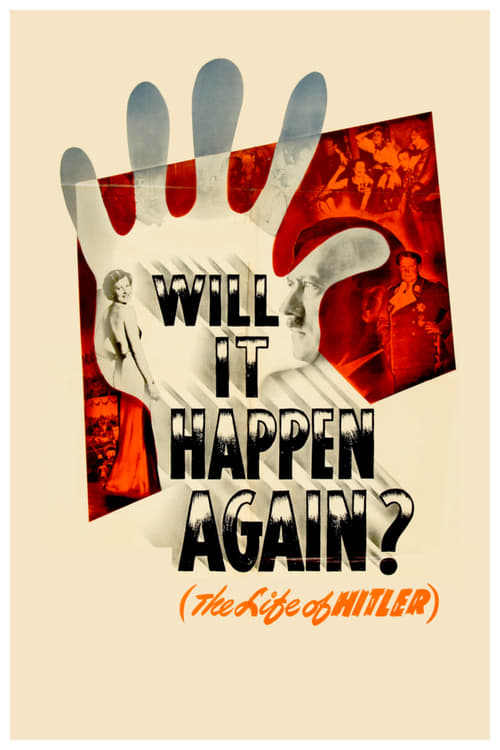
1948
No reviews yet. Be the first to share your thoughts on this movie!
Use the rating form above to leave a star rating and optional review.