
From Caligari to Hitler
2015
No user ratings available yet
Representation score: 4.7 out of 10

Representation Score
Good
2014
Director
Rüdiger Suchsland
Runtime
52 minutes
Average Rating
No ratings yetNew Showbiz Analysis
This documentary serves as a historical examination of the Weimar Republic, focusing on the tension between individual psychology and state authority. Using German Expressionism, it explores the instability of post-WWI Germany. The film excels in critiquing traditional power structures and examining psychological complexities. It uses art to reflect societal upheaval. However, its narrow historical focus limits racial diversity and direct identity representation.
Category Breakdown
The film discusses the queer subcultures of the Weimar Republic but does not focus on specific LGBTQ+ figures involved in the creative process.
The documentary examines unstable masculine roles and breaks down patriarchal structures through a cinematic lens. It offers a nuanced look at gendered power dynamics during the early 20th century.
The narrative focuses on a homogeneous European context due to its specific historical subject matter. It does not explore multi-layered racial identities or global perspectives.
The film critiques traditional Western institutions and highlights the Weimar Republic as a time of significant political instability and volatility.
Psychological instability and neurodivergence are key elements of the era's artistic identity. The film explores how mental states reflect societal conditions.
Present on Screen
Limited or Absent
Official Synopsis
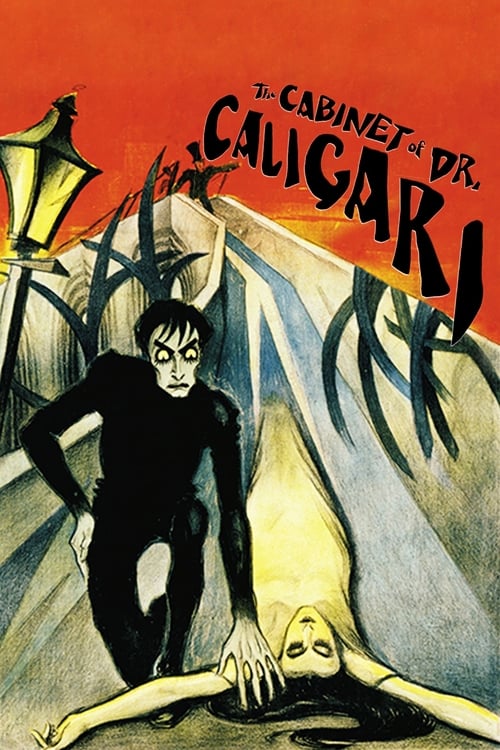
On February 26, 1920, Robert Wiene's world-famous film The Cabinet of Dr. Caligari premiered at the Marmorhaus in Berlin. To this day, it is considered a manifesto of German expressionism; a legend of cinema and a key work to understand the nature of the Weimar Republic and the constant political turmoil in which a divided society lived after the end of the First World War.
2015

1922

2017
1920
2022

2021

1995

2018
No reviews yet. Be the first to share your thoughts on this movie!
Use the rating form above to leave a star rating and optional review.