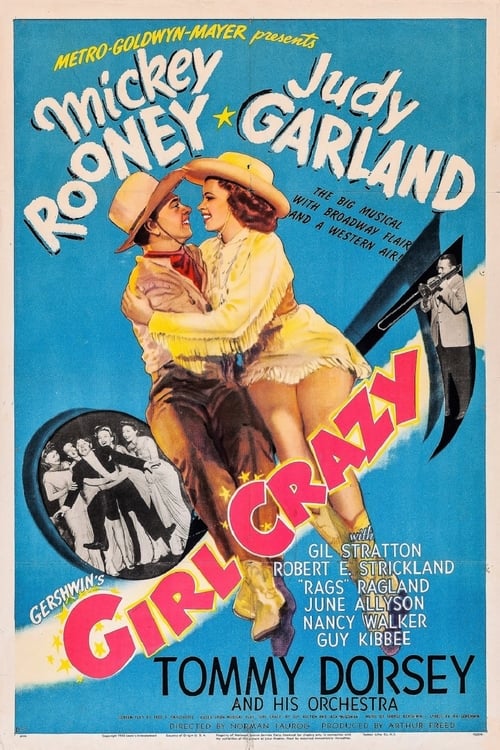
Girl Crazy
1943
No user ratings available yet
Diversity score: 1.4 out of 10
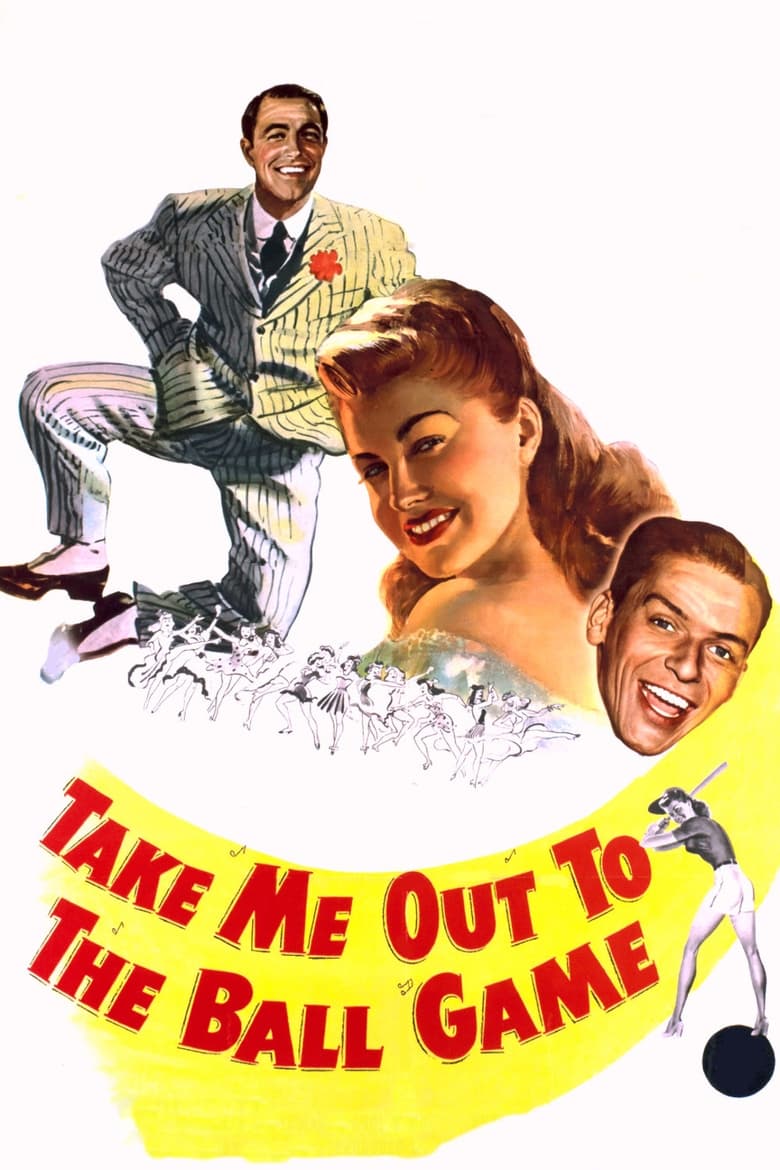
1949
NRDirector
Busby Berkeley
Runtime
93 minutes
Average Rating
No ratings yetSynopsis
The Wolves baseball team gets steamed when they find they've been inherited by one K.C. Higgins, a suspected "fathead" who intends to take an active interest in running the team. But K.C. turns outs to be a beautiful woman who really knows her baseball. Second baseman Dennis Ryan promptly falls in love. But his playboy roommate Eddie O'Brien has his own notions about how to treat the new lady owner and some unsavory gamblers have their own ideas about how to handle Eddie.
Overall Score
Limited
Category Breakdown
LGBTQ+ Representation
The film centers on a conventional romantic interest between the female protagonist and Dennis Ryan. No non-cisnormative identities or narratives challenging heteronormative structures are present.
Gender Representation
K.C. Higgins disrupts mid-century hierarchies by assuming control of a professional baseball team. While she displays professional agency and intellectual authority, the plot eventually resolves through a traditional romantic connection.
Racial & Ethnic Diversity
The film features a homogeneous cast typical of the 1949 studio era. There is no evidence of color-blind casting or diverse identities driving the narrative.
Religious & Cultural Diversity
The story functions as a piece of traditional Americana centered on professional baseball. It reinforces Western social structures and follows standard moral frameworks regarding gambling and social institutions.
Disability Representation
There is no discernible representation of physical, sensory, or neurodivergent identities within the core narrative or character arcs.
Strengths
Areas for Improvement
AI Analysis
Busby Berkeley’s film offers a localized disruption of gendered power dynamics through K.C. Higgins, a woman who possesses genuine expertise in the masculine domain of baseball. This provides a rare moment of female professional agency for the era. However, the film remains deeply anchored in the traditionalist social and demographic frameworks of the late 1940s. The narrative lacks racial diversity and does not engage with any non-cisnormative identities or disability representation. Ultimately, while the protagonist's competence challenges gender tropes, the film's adherence to conventional romance and a homogeneous cast prevents a broader systemic or intersectional critique.
1943
1951
1947
1933
1942
1943
1946
1940
1929
1943
1935
1940
No reviews yet. Be the first to share your thoughts on this movie!
Use the rating form above to leave a star rating and optional review.