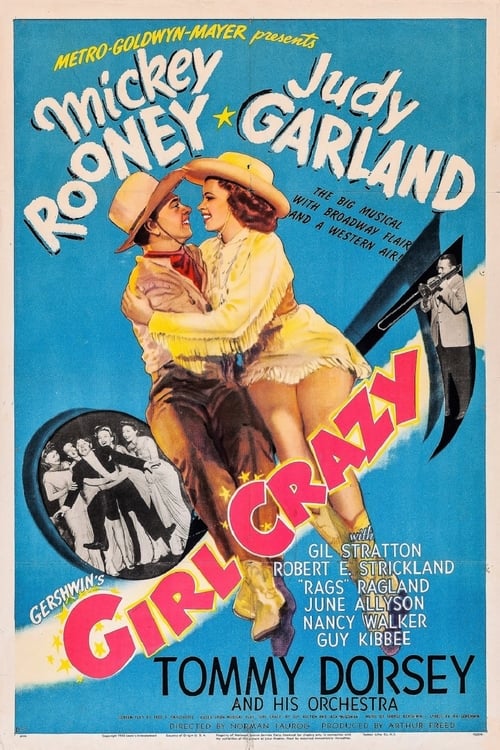
Girl Crazy
1943
No user ratings available yet
Representation score: 0.4 out of 10
Representation Score
Minimal
1940
PassedDirector
Frank McDonald
Runtime
69 minutes
Average Rating
No ratings yetNew Showbiz Analysis
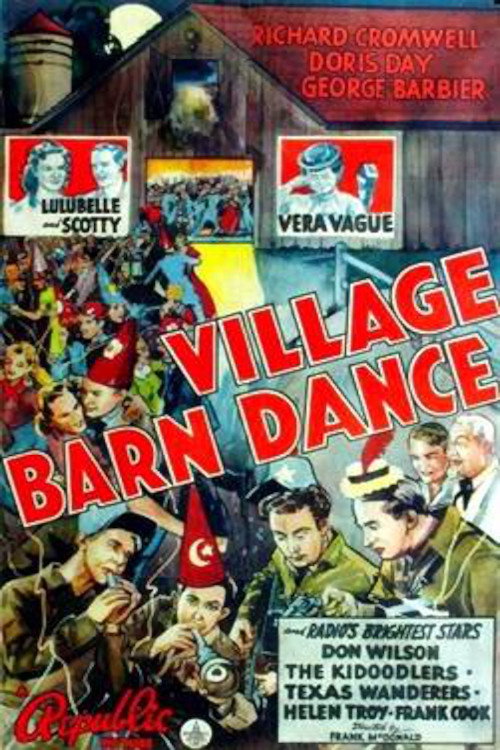
Village Barn Dance is a product of the 1940s studio system, emphasizing conventional narrative structures over social disruption. The film adheres to the established cinematic norms of its era, focusing on a localized, small-town conflict. The representation is largely homogeneous, centering on a male protagonist's struggle against a local landowner. This setup reinforces traditional social hierarchies and lacks the complexity found in more modern works.
Category Breakdown
The film does not include any characters with non-straight or non-cisgender identities. It follows typical romantic comedy patterns centered around heterosexual and cisgender relationships.
The story features a male protagonist facing off against a female antagonist named Minerva Withers. Although she has ability to act, her portrayal as a 'skinflint' serves as a comedic cliché that critiques female authority.
The narrative centers on a localized setting and class-based conflict. There is no indication of a diverse cast, aligning with the homogeneous demographics typical of 1940s cinema.
Themes of economic struggle and community dynamics are present. However, the film upholds traditional community structures without critiquing Western institutions or capitalism.
There are no characters with visible or invisible disabilities in the film.
Present on Screen
Limited or Absent
Official Synopsis
Dan Martin, an unemployed college graduate, drifts into the town of Lyndale, only to learn that the town and everything in it are dominated by Minerva Withers, a tight-fisted, old skinflint whose welcome does not extend to tramps.
1943
1933
1944
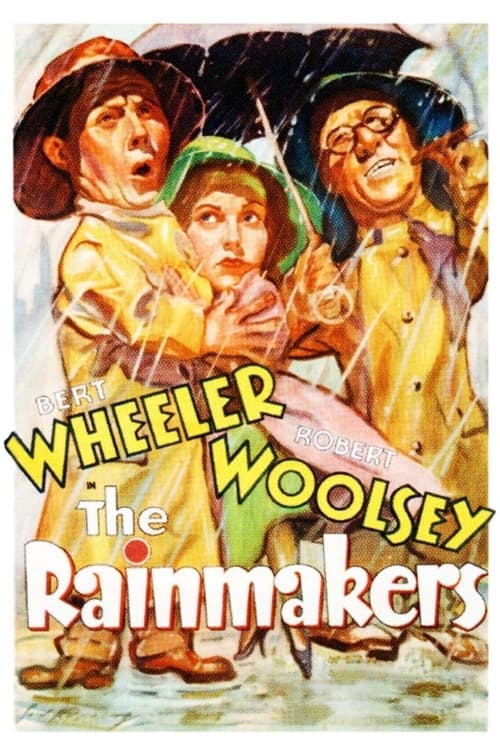
1935
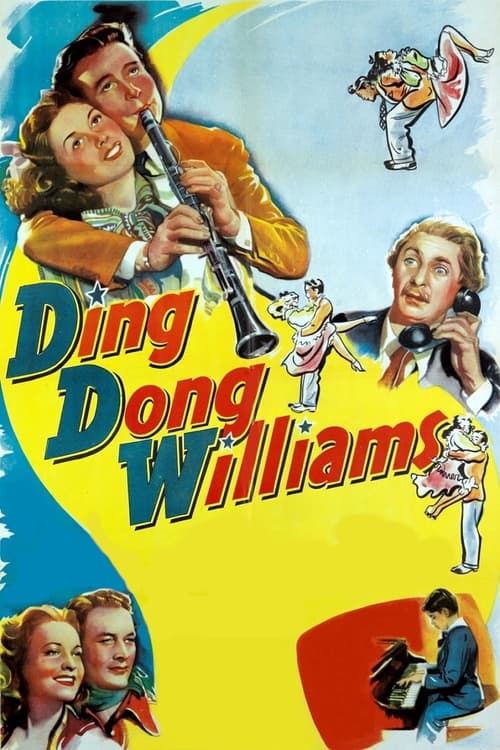
1946

1951
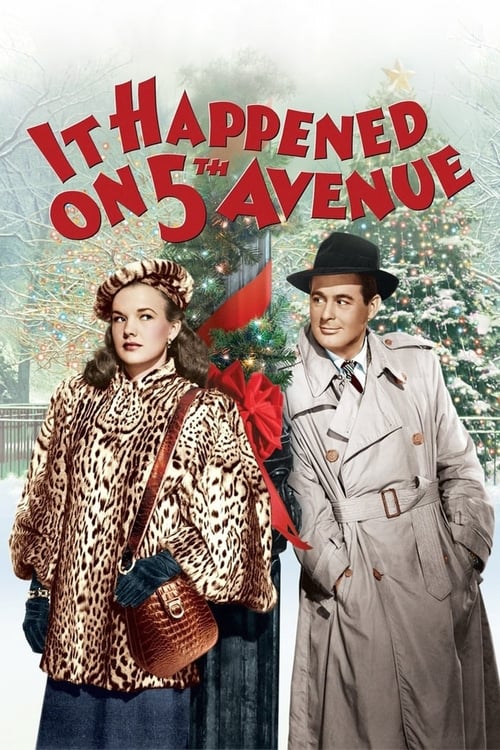
1947
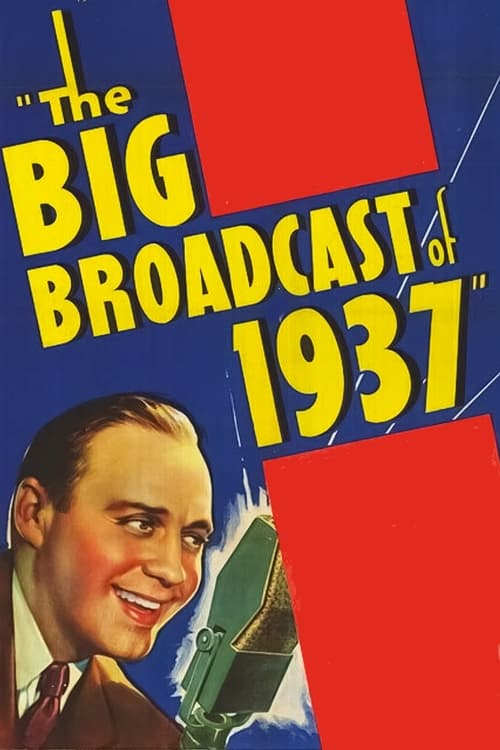
1936
No reviews yet. Be the first to share your thoughts on this movie!
Use the rating form above to leave a star rating and optional review.