
Follow the Fleet
1936
No user ratings available yet
Diversity score: 2.1 out of 10

1943
NRDirector
Busby Berkeley
Runtime
103 minutes
Average Rating
No ratings yetSynopsis
A soldier falls for a chorus girl and then experiences trouble when he is posted to the Pacific.
Overall Score
Minimal
Category Breakdown
LGBTQ+ Representation
The film operates within a strictly heteronormative framework. There is no evidence of non-cisnormative gender identities or same-sex intimacy.
Gender Representation
Female performers like Alice Faye possess significant screen presence through musical spectacle. However, their agency remains tethered to romantic pursuit and emotional stability.
Racial & Ethnic Diversity
The cast is predominantly homogeneous, reflecting the studio system of 1943. The film presents a sanitized, Western-centric view of society with little ethnic diversity.
Religious & Cultural Diversity
The narrative supports traditional Western institutions and patriotic duty. It functions as an escapist medium that validates the existing social order and wartime spirit.
Disability Representation
There is no discernible representation of physical, neurodivergent, or mental health conditions. Characters are presented exclusively as able-bodied performers.
Strengths
Areas for Improvement
AI Analysis
Busby Berkeley’s musical is a quintessential artifact of the 1940s Hollywood studio system. It prioritizes high-production escapism and patriotic sentiment over narrative disruption or intersectional representation. The film reinforces the rigid social hierarchies of its era. It relies on traditional romantic pairings and a white-majority cast to maintain a sense of wartime social cohesion. Ultimately, the production serves to validate conventional morality and Western institutions. It offers no significant challenge to the gender, racial, or orientation norms of the period.
1936

1956

1947

1937

1938

1943
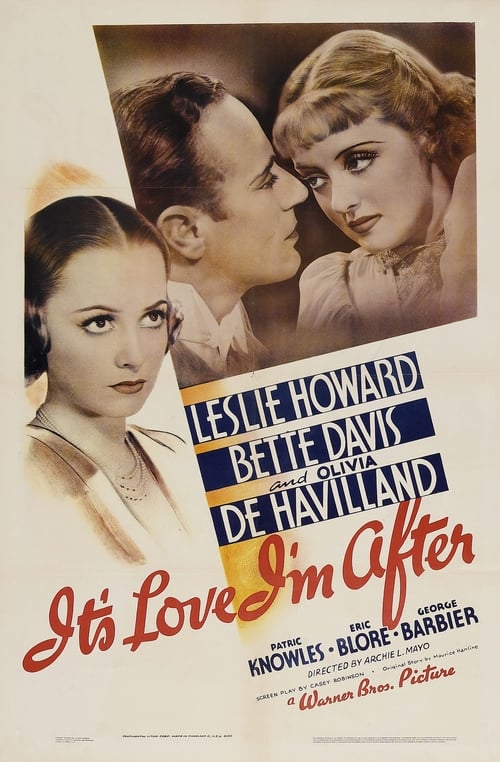
1937

1946

1942

1947

1936

1942
No reviews yet. Be the first to share your thoughts on this movie!
Use the rating form above to leave a star rating and optional review.