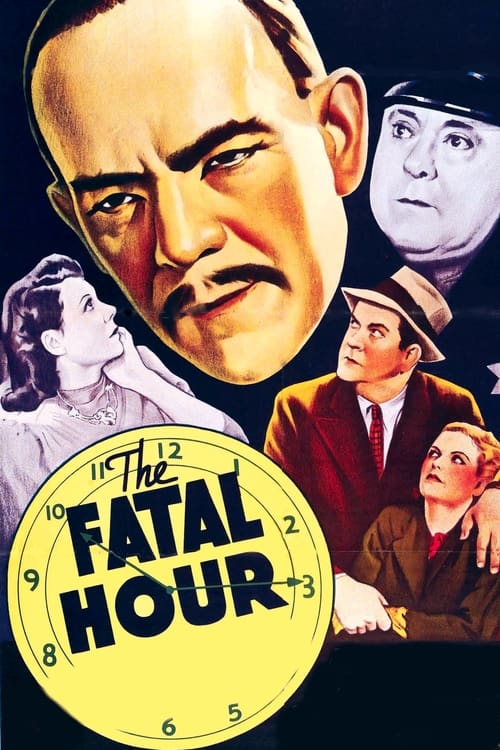
The Fatal Hour
1940
No user ratings available yet
Representation score: 1.9 out of 10
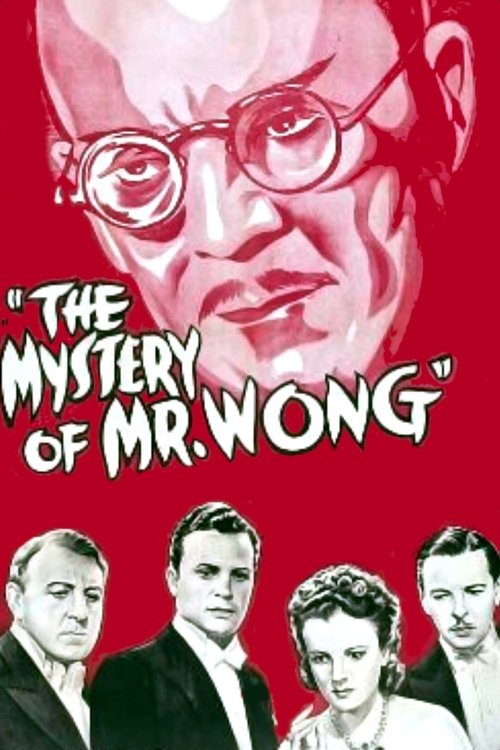
Representation Score
Minimal
1939
NRDirector
William Nigh
Runtime
68 minutes
Average Rating
No ratings yetNew Showbiz Analysis
The Mystery of Mr. Wong offers a nuanced look at 1930s representation. While it introduces a Chinese-American detective, it does so within the constraints of period-specific clichés. The film maintains the social structures of its era, particularly concerning gender and sexuality. Women and LGBTQ+ identities are largely excluded or underrepresented, serving the needs of a standard crime procedural. Overall, the film serves as a historical reflection, providing ethnic visibility through its lead character but failing to challenge the norms and cultural archetypes of the time.
Category Breakdown
The film follows a traditional structure typical of 1930s crime procedurals, with no depictions of non-straight or non-cisgender identities or same-sex intimacy.
Female characters mainly serve as witnesses or plot devices. The male protagonist holds nearly all the power and control, reflecting the gender hierarchies of the 1930s.
The film features a Chinese-American lead, which is unusual for the era. However, it still relies on 'oriental detective' stereotypes and cultural archetypes.
The narrative focuses on solving crimes rather than exploring personal morality. It upholds traditional views of order and justice within the societal context of the time.
There are no visible or invisible disabilities depicted. Characters are portrayed using standard physical and mental archetypes required by the mystery genre.
Present on Screen
Limited or Absent
Official Synopsis
Detective James Lee Wong must find the "Eye of the Daughter of the Moon," a priceless but cursed sapphire stolen in China and smuggled to America. His search takes him into the heart of Chinatown and to the dreaded "House of Hate" to find the deadly gem before it can kill again.
1940
1946
1937
1938
1935
1937

1939

1939
No reviews yet. Be the first to share your thoughts on this movie!
Use the rating form above to leave a star rating and optional review.