
Ballet Shoes
2008
No user ratings available yet
Diversity score: 3.6 out of 10
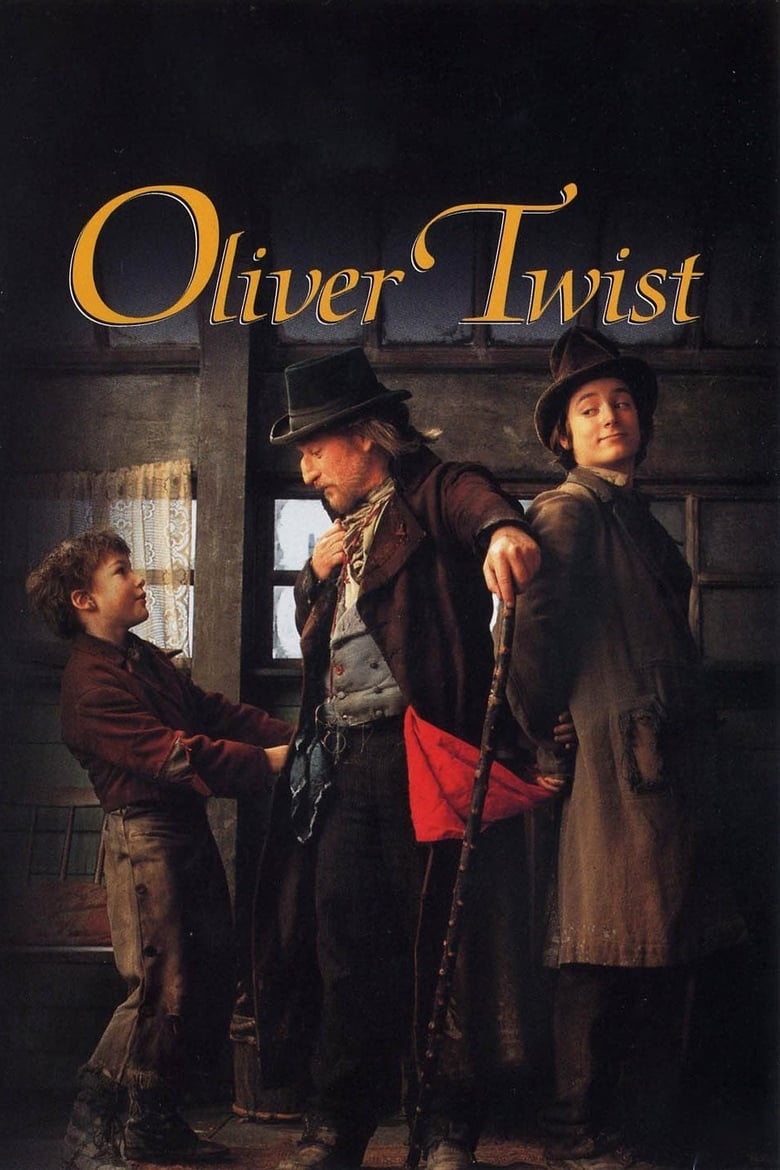
1997
UnratedDirector
Tony Bill
Runtime
91 minutes
Average Rating
No ratings yetSynopsis
When 9-year-old orphan Oliver Twist dares to ask his cruel taskmaster, Mr. Bumble, for a second serving of gruel, he's hired out as an apprentice. Escaping that dismal fate, young Oliver falls in with the street urchin known as the Artful Dodger and his criminal mentor, Fagin. When kindly Mr. Brownlow takes Oliver in, Fagin's evil henchman Bill Sikes plots to kidnap the boy.
Overall Score
Limited
Category Breakdown
LGBTQ+ Representation
The film adheres strictly to heteronormative Victorian social structures. There are no visible depictions of non-cisnormative identities or same-sex intimacy within the narrative.
Gender Representation
Female characters like Nancy possess narrative weight but remain defined by their proximity to men. Women are portrayed as subjects of a patriarchal order rather than subverters of it.
Racial & Ethnic Diversity
The cast is predominantly homogeneous, reflecting a white, Anglo-Saxon depiction of London. There is no evidence of race-bent casting or diverse ethnic perspectives.
Religious & Cultural Diversity
The film offers a strong critique of Western institutions and the Victorian state. It frames the workhouse and Poor Laws as inherently oppressive and corrupt systems.
Disability Representation
Representation of disability is minimal and incidental. The film focuses on the physical toll of poverty rather than providing character-driven explorations of neurodivergence or physical disability.
Strengths
Areas for Improvement
AI Analysis
This adaptation functions as a traditional period drama that prioritizes historical accuracy over modern intersectional representation. It captures the rigid social hierarchies of 19th-century London, which results in a lack of racial, gender, and LGBTQ+ diversity. However, the film excels in its systemic critique. By highlighting the cruelty of the workhouse and the corruption of authority figures, it provides a meaningful look at class-based oppression and institutional failure. Ultimately, while the film is socially conservative in its casting and character dynamics, it remains progressive in its depiction of the struggle against systemic victimization.
2008
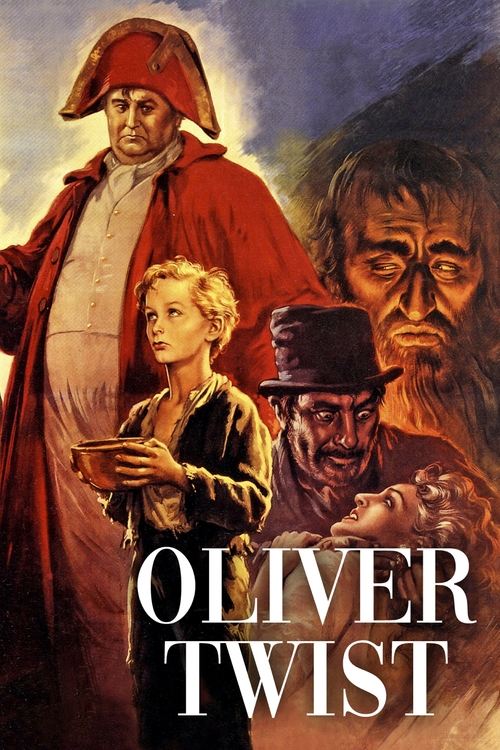
1948
1980
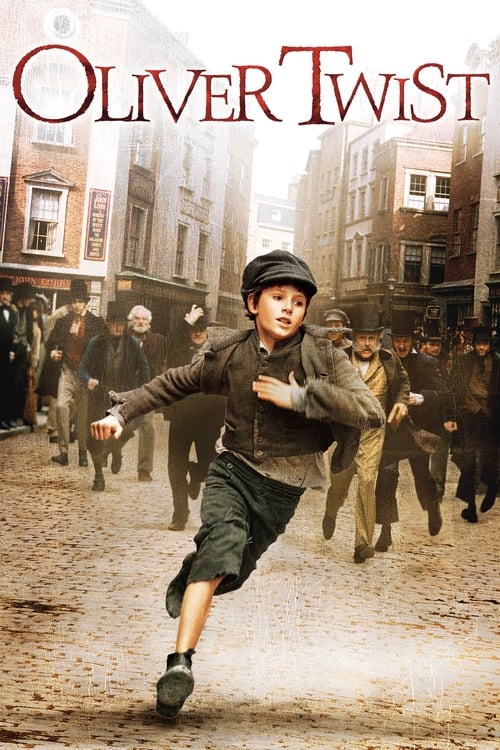
2005
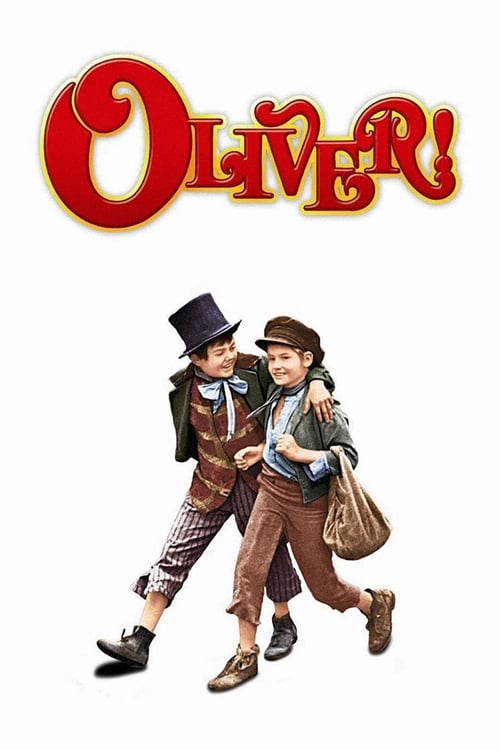
1968
1982
1937

2004
1992
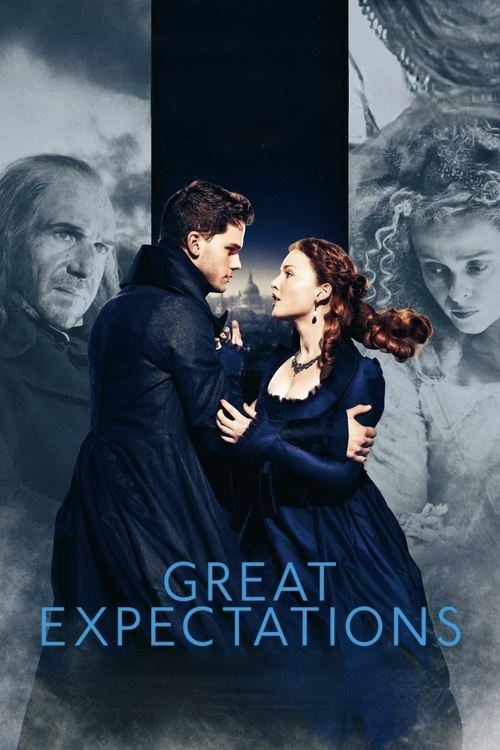
2012
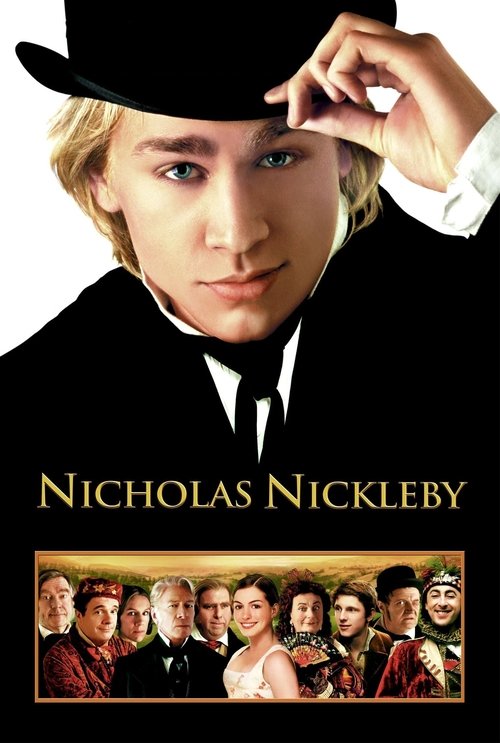
2002

1979
No reviews yet. Be the first to share your thoughts on this movie!
Use the rating form above to leave a star rating and optional review.