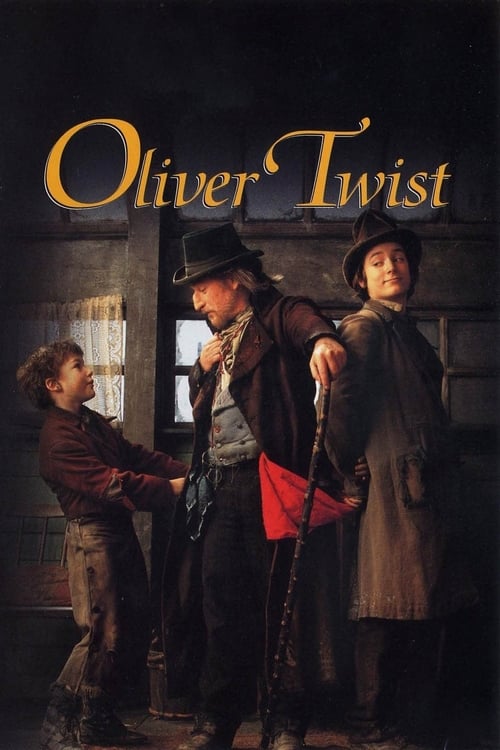
Oliver Twist
1997
No user ratings available yet
Representation score: 2.8 out of 10
Representation Score
Good
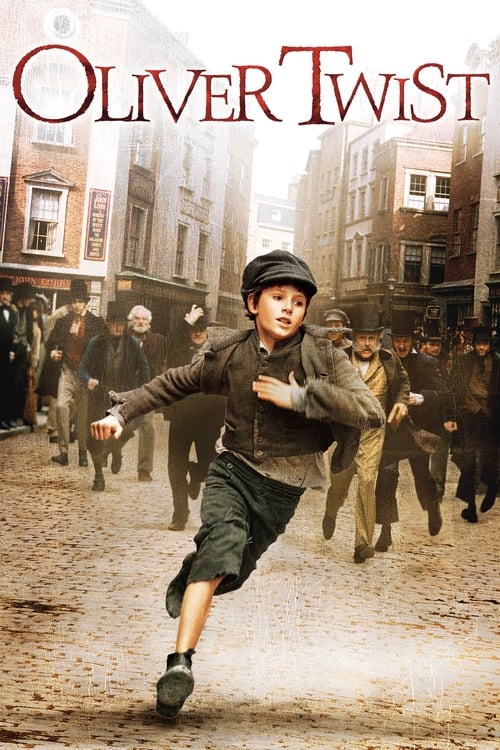
2005
PG-13Director
Roman Polanski
Runtime
130 minutes
Average Rating
No ratings yetNew Showbiz Analysis
Roman Polanski's adaptation is a raw critique of society, using the Victorian era to expose the myths of benevolent institutions. The film delves into the harsh realities of poverty and class struggles. However, its focus on historical accuracy limits its representation of modern identity issues such as LGBTQ+ identities and specific disabilities. The film excels in its nuanced portrayal of moral ambiguity and institutional failures.
Category Breakdown
The film centers on a young male character within a strict Victorian society. It doesn't include non-traditional gender identities or challenge the idea that everyone is straight or cisgender.
The story follows traditional gender roles but challenges them through Nancy, who shows strong independence and moral complexity while navigating the criminal world.
The film showcases a diverse cast representing various socioeconomic backgrounds among the poor in London. This contrasts with the homogeneous casts typically seen in period dramas.
The movie critically examines Western institutions, portraying them as oppressive systems that exploit the poor. It highlights the injustices faced by the lower classes.
The film illustrates the physical hardships caused by malnutrition and poverty. However, it does not feature characters with specific disabilities or neurodivergence.
Present on Screen
Limited or Absent
Official Synopsis
An orphan endures a harsh life in a workhouse before fleeing to London, where he falls in with a gang of juvenile pickpockets led by the criminal Fagin, and eventually finds a better life, exposing the cruelties of poverty and child labor in Victorian England.
1997
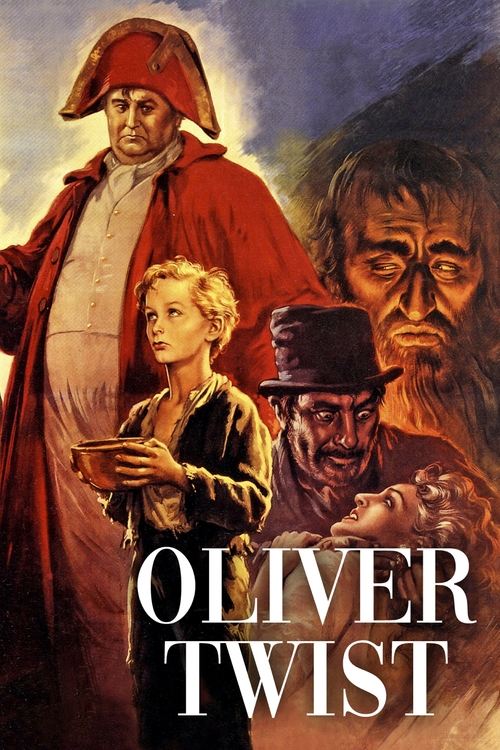
1948
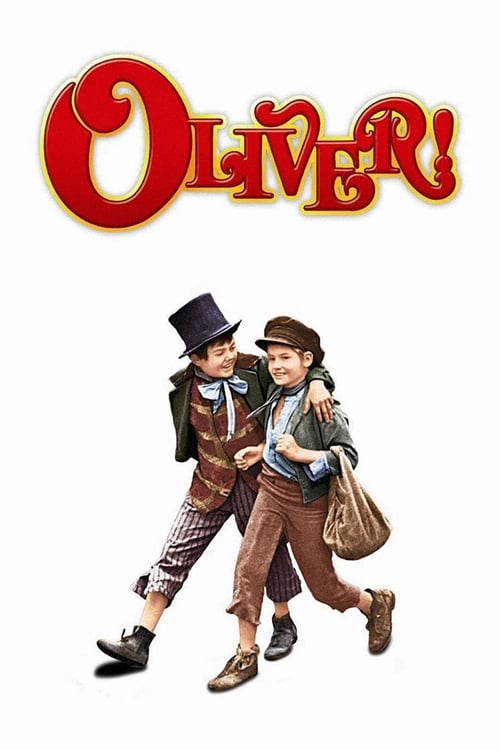
1968

1979
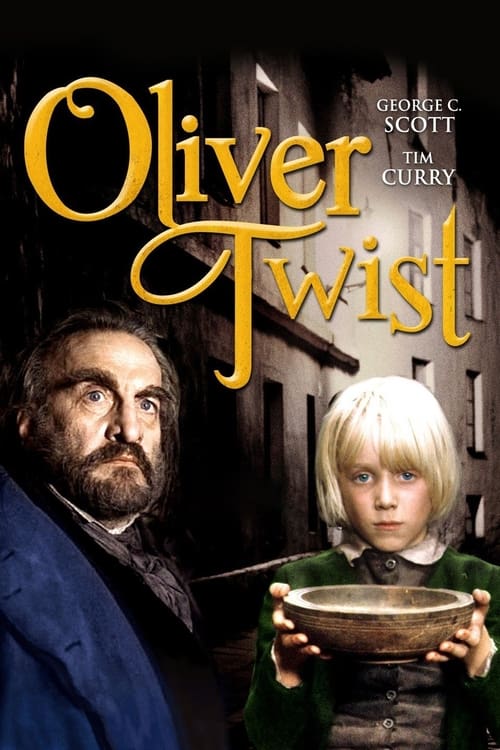
1982
2002
2005

1937
No reviews yet. Be the first to share your thoughts on this movie!
Use the rating form above to leave a star rating and optional review.