
Annie
1999
No user ratings available yet
Representation score: 3.6 out of 10
Representation Score
Fair
1982
PGDirector
John Huston
Runtime
127 minutes
Average Rating
No ratings yetNew Showbiz Analysis
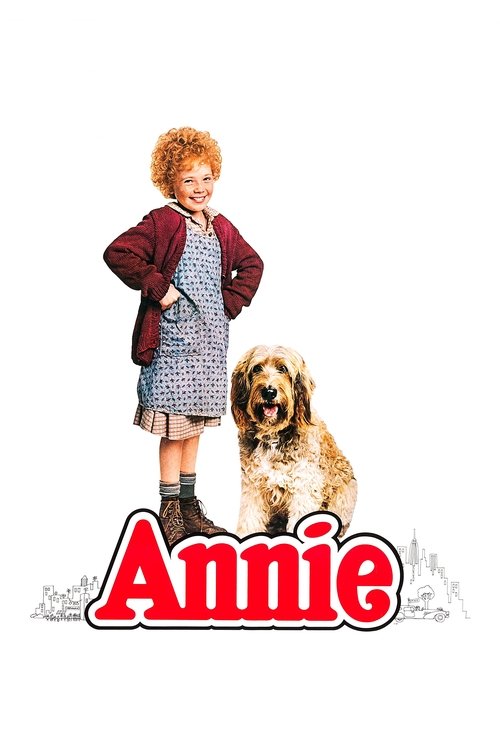
Annie (1982) is a traditional musical drama centered on a resilient young female protagonist. While Annie challenges male-dominated power dynamics through her emotional intelligence, the film remains anchored in conventional social hierarchies. The narrative offers a critique of institutional neglect within the orphanage system but ultimately favors a restorative, capitalist resolution. Wealth and individual benevolence solve the protagonist's problems rather than addressing systemic poverty. Overall, the film lacks complexity in its portrayal of diversity. It misses opportunities for diverse representation across racial, LGBTQ+, and disability spectrums, opting instead for a homogeneous, period-specific perspective.
Category Breakdown
The film does not include any LGBTQ+ characters or narratives. Romantic and familial relationships are centered around traditional heterosexual relationships.
Annie is a strong female lead who plays a significant role in driving the story. However, the film relies on traditional character types, such as the volatile Miss Hannigan.
The casting and narrative focus remain largely homogeneous. The film prioritizes a singular, Western-centric experience of the Great Depression without incorporating diverse backgrounds.
The story critiques institutions that fail and corrupt social welfare systems. Ultimately, it follows a rags-to-riches trajectory resolved through individual wealth rather than systemic change.
There is no significant or intentional representation of physical or neurodivergent disabilities. Characters are defined by their socioeconomic status rather than any disabilities.
Present on Screen
Limited or Absent
Official Synopsis
An orphan in a facility run by the mean Miss Hannigan, Annie believes that her parents left her there by mistake. When a rich man named Oliver "Daddy" Warbucks decides to let an orphan live at his home to promote his image, Annie is selected. While Annie gets accustomed to living in Warbucks' mansion, she still longs to meet her parents. So Warbucks announces a search for them and a reward, which brings out many frauds.
1999

2015

2014

1994

2005
1948

1998

1937
No reviews yet. Be the first to share your thoughts on this movie!
Use the rating form above to leave a star rating and optional review.