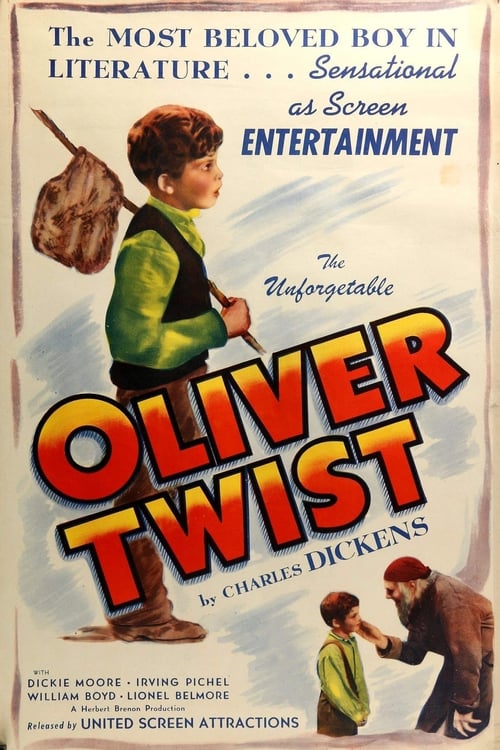
Oliver Twist
1933
No user ratings available yet
Representation score: 2.8 out of 10
Representation Score
Limited
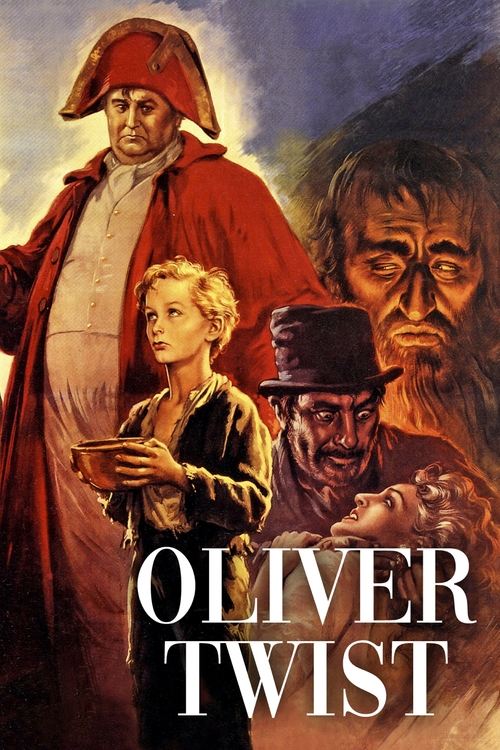
1948
NRDirector
David Lean
Runtime
121 minutes
Average Rating
No ratings yetNew Showbiz Analysis
David Lean's adaptation is a masterful period drama that emphasizes class struggle over contemporary multi-layered identity. Its strength lies in its critique of the Victorian social contract, presenting institutional authority as a source of systemic cruelty. However, the film maintains traditional gender roles and lacks meaningful LGBTQ+ or racial diversity. It focuses heavily on socio-economic stratification rather than expanding its scope through diverse ethnic representation. Ultimately, the film succeeds as a critique of the indifferent, capitalist-driven social hierarchy of the era, while remaining limited by the period-specific perspectives of its characters.
Category Breakdown
The story strictly assumes everyone is straight and cisgender, with no visible LGBTQ+ identities or critiques of heterosexuality present.
Women are portrayed within traditional Victorian hierarchies, often defined by their relationships to men. Nancy is shown with a nuanced character but her role remains limited by her environment and devotion to male figures.
The film depicts a predominantly white Victorian London, focusing on socio-economic differences rather than diverse ethnic backgrounds or multiple aspects of identity.
The film criticizes traditional Western institutions like the Victorian workhouse. It portrays the criminal underworld as a response to systemic failures and institutional cruelty.
Characters with disabilities are shown primarily due to poverty and physical suffering. They lack independent roles and serve as symbols of precarious social status.
Present on Screen
Limited or Absent
Official Synopsis
When 9-year-old orphan Oliver Twist dares to ask his cruel taskmaster, Mr. Bumble, for a second serving of gruel, he's hired out as an apprentice. Escaping that dismal fate, young Oliver falls in with the street urchin known as the Artful Dodger and his criminal mentor, Fagin. When kindly Mr. Brownlow takes Oliver in, Fagin's evil henchman Bill Sikes plots to kidnap the boy.
1933
1937
1982
1943
1997
1968

1922
1957
No reviews yet. Be the first to share your thoughts on this movie!
Use the rating form above to leave a star rating and optional review.