
Return of Giant Majin
1966
No user ratings available yet
Representation score: 1.8 out of 10
Representation Score
Minimal
1966
UnratedDirector
Kimiyoshi Yasuda
Runtime
84 minutes
Average Rating
No ratings yetNew Showbiz Analysis
Daimajin is a traditional historical fantasy that emphasizes folkloric themes and divine retribution over social critique. While it provides an authentic cultural experience of its time, the narrative structure is based on conventional hierarchies and traditional gender roles. The film serves as a morality tale where the conflict revolves around human greed versus sacred preservation. This focus on localized, period-specific conflict limits disruption to established identity norms. Overall, the work adheres to the mid-1960s period-drama conventions, emphasizing religious traditionalism and traditional masculinity without exploring diverse social perspectives.
Category Breakdown
The film does not include any characters or stories related to LGBTQ+ individuals. The character dynamics stay within traditional family and social structures.
Female characters are defined by their relationships to men or societal roles. The film upholds traditional gender hierarchies without challenging patriarchal power.
The cast is culturally uniform, reflecting the film's 1966 Japanese production context. It does not feature modern multi-layered casting.
The narrative heavily relies on religious iconography and divine authority. It centers on traditional justice and sacred values without exploring moral relativism.
There are no characters with visible or invisible disabilities. The film does not address neurodivergence or physical impairments.
Present on Screen
Limited or Absent
Official Synopsis
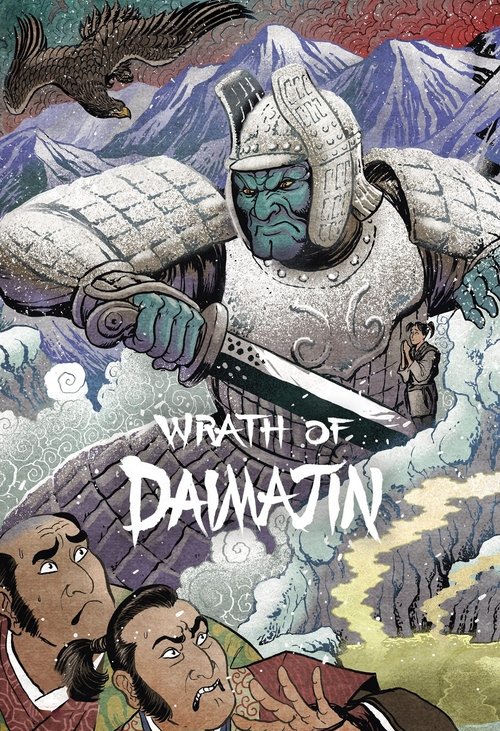
A giant stone statue comes to life to protect the residents of a small town against the depradations of an evil warlord.
1966

1965
1960
1968
1986
1966

1968
1936
No reviews yet. Be the first to share your thoughts on this movie!
Use the rating form above to leave a star rating and optional review.