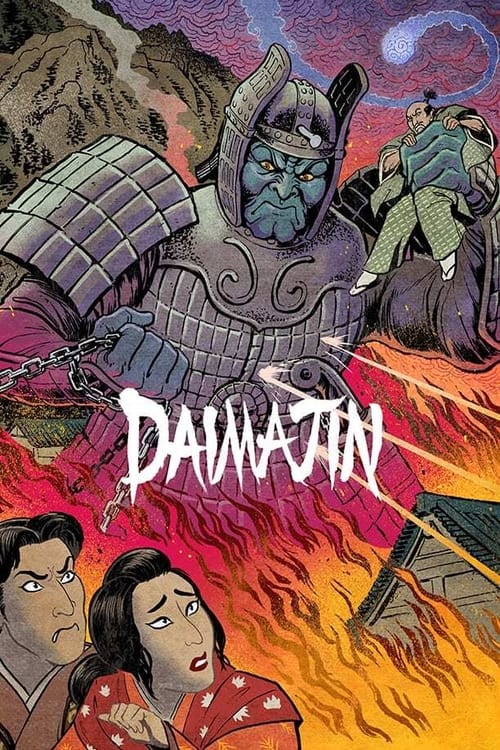
Daimajin
1966
No user ratings available yet
Representation score: 1.3 out of 10
Representation Score
Minimal
1960
Director
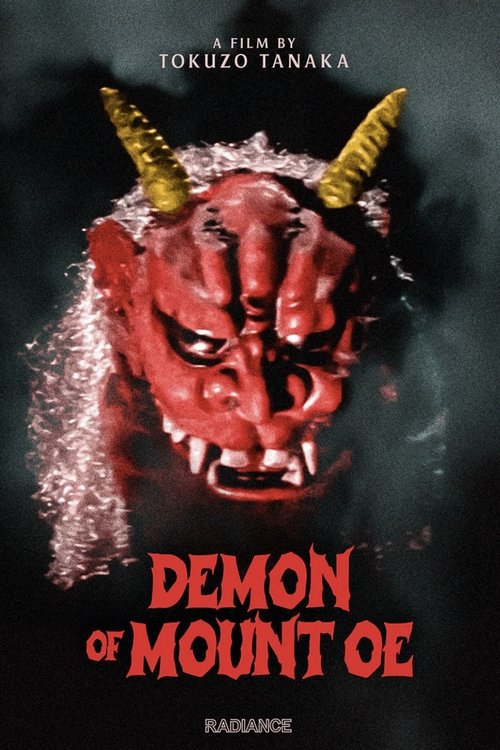
Tokuzō Tanaka
Runtime
114 minutes
Average Rating
No ratings yetNew Showbiz Analysis
The film is a traditionalist work that prioritizes historical folklore and established genre clichés. It functions as a cultural artifact of its era, focusing on mythic retribution rather than progressive social commentary. The narrative structure reinforces conventional hierarchies, particularly regarding gender roles and traditional spiritual morality. It follows a standard heroic journey that lacks modern deconstruction. While the film is culturally specific, it lacks diverse representation or subversion of social norms. It remains rooted in the period-specific structures of 1960s Japanese cinema.
Category Breakdown
The film follows the social norms of 1960s Japanese cinema and does not include any characters with non-binary gender identities or same-sex romantic relationships.
Female characters mainly serve as motivation for the male protagonists' journey. They are passive recipients of the demon's actions rather than active agents of their own liberation.
The film features a homogeneous cast typical of domestic Japanese productions. It operates within a single ethnic framework consistent with its production context.
The narrative is deeply rooted in Shinto-Buddhist folklore and traditional spiritualism. It uses folk religion as a foundational reality rather than a tool for social critique.
There is no significant portrayal of physical or neurodivergent disabilities. Supernatural threats are presented as external antagonistic forces.
Present on Screen
Limited or Absent
Official Synopsis
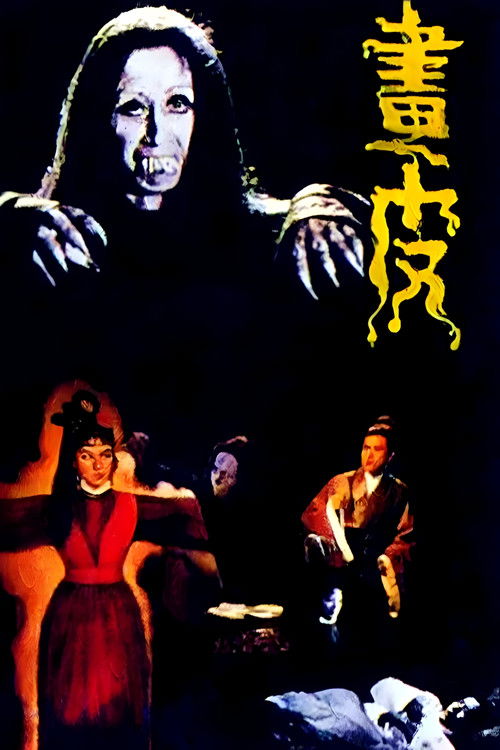
A band of warriors journeys to Mount Oe to rescue abducted women from a demon, overcoming supernatural threats like a giant spider and a diabolical witch along the way.
1966
1968

1968
1965

1975

2013
1966

2006
No reviews yet. Be the first to share your thoughts on this movie!
Use the rating form above to leave a star rating and optional review.