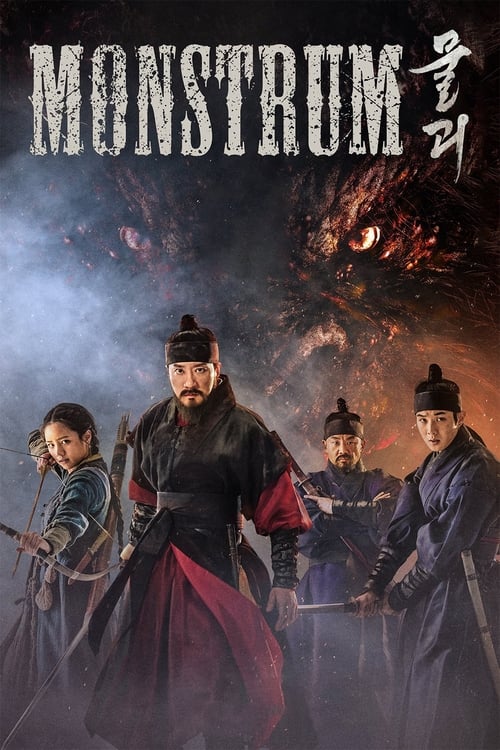
Monstrum
2018
No user ratings available yet
Representation score: 3.6 out of 10
Representation Score
Limited
1986
Director
Shin Sang-ok, Chong Gon Jo
Runtime
95 minutes
Average Rating
No ratings yetNew Showbiz Analysis
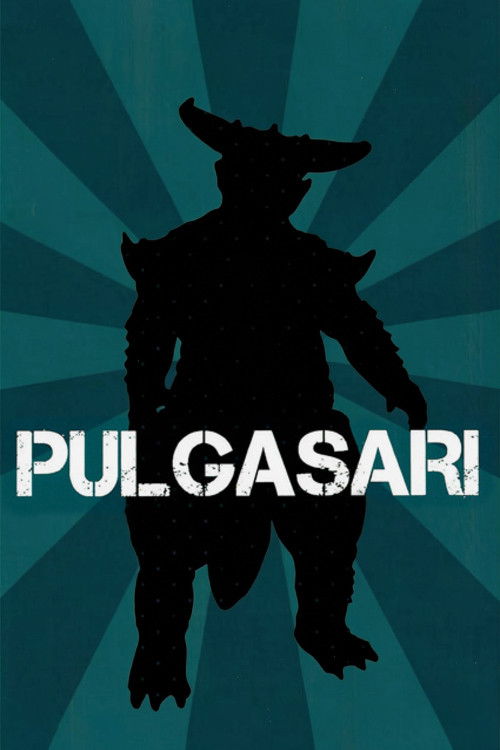
Pulgasari stands as a significant work of cultural preservation and resistance. It achieves high marks for ethnic ability to act by centering Korean folklore and avoiding Western-centric perspectives. The film uses its mythological setting to critique industrial warfare and state-sanctioned militarism. However, the film lacks contemporary characters who reflect more than one aspect of diversity. There is no presence of LGBTQ+ identities or characters with disabilities, which limits its scope in those specific areas. Gender dynamics adhere to traditional hierarchies rather than challenging them. Ultimately, the film's strength lies in its systemic commentary. It frames the struggle of an agrarian community against a technologically superior aggressor, providing a sophisticated layer of post-colonial defense.
Category Breakdown
The film does not include any LGBTQ+ characters or explore non-cisgender identities. Its traditional mythological framework focuses on social and romantic dynamics typical of the time period.
Gender roles align with conventional social structures of the era. The film distributes ability to act among a collective group rather than subverting traditional masculine or feminine roles.
The film centers a cohesive Korean identity through its cast and indigenous folklore. It avoids Western-centric casting to assert cultural autonomy against an invading force.
The narrative critiques militarism and technological destruction. It uses the character Pulgasari to prioritize communal resistance over the preservation of established, imperial hierarchies.
There are no prominent depictions of physical or neurodivergent disabilities. Characters with disabilities are not used as narrative devices within the story.
Present on Screen
Limited or Absent
Official Synopsis
In feudal Korea, a group of starving villagers grow weary of the orders handed down to them by their controlling king and set out to use a deadly monster under their control to push his armies back.
2018
2018
2018

1968
1966
1966
1973
1966
No reviews yet. Be the first to share your thoughts on this movie!
Use the rating form above to leave a star rating and optional review.