
Return of Giant Majin
1966
No user ratings available yet
Representation score: 1.8 out of 10
Representation Score
Limited
1966
Not RatedDirector
Kazuo Mori
Runtime
87 minutes
Average Rating
No ratings yetNew Showbiz Analysis
Wrath of Daimajin is a traditional genre piece that prioritizes class struggle and folkloric justice over modern diversity representation. The film's strength lies in its critique of localized capitalism and the dehumanization of workers by corrupt authorities. However, the narrative is limited by mid-century social hierarchies, lacking LGBTQ+ representation and providing very little ability to act to female characters. Ultimately, while the film lacks contemporary diversity markers, it offers a compelling anti-authoritarian perspective through its use of divine retribution against systemic greed.
Category Breakdown
The film focuses on straight relationships and does not depict any LGBTQ+ identities or non-cisgender genders. There are no scenes showing same-sex intimacy or non-assuming gender matches what was assigned at birth identities.
Male characters play significant roles in driving the story, including the villains and young protagonists. Female characters are mostly passive or confined to domestic roles.
The cast consists of a homogeneous Japanese ensemble, maintaining cultural authenticity for its folklore-based setting without attempting multi-ethnic blending.
The story critiques class oppression and the exploitation of peasants. It uses supernatural intervention to address systemic failures in human governance.
There are no significant depictions of visible or invisible disabilities that drive the narrative.
Present on Screen
Limited or Absent
Official Synopsis
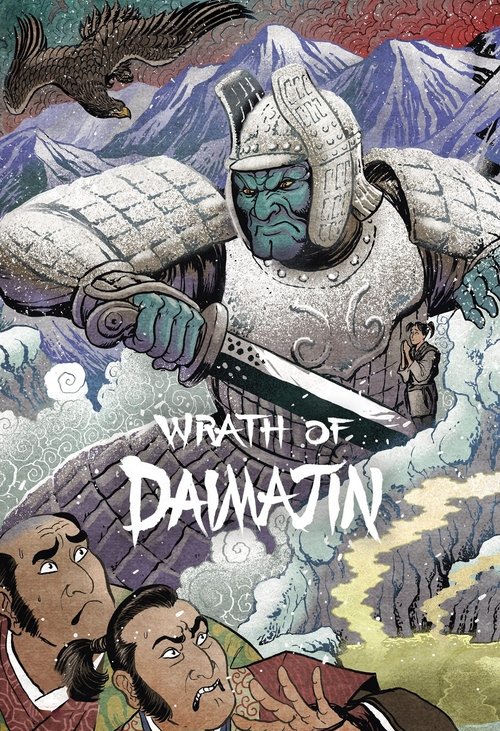
In a mountainous region of Japan, Lord Arakawa kidnaps the men of nearby villages to use as slave labor, producing gunpowder from his sulfur pits. A band of young boys decide to rescue their enslaved fathers on their own.
1966
1968
1966
1961
2013
1966
1986

1972
No reviews yet. Be the first to share your thoughts on this movie!
Use the rating form above to leave a star rating and optional review.