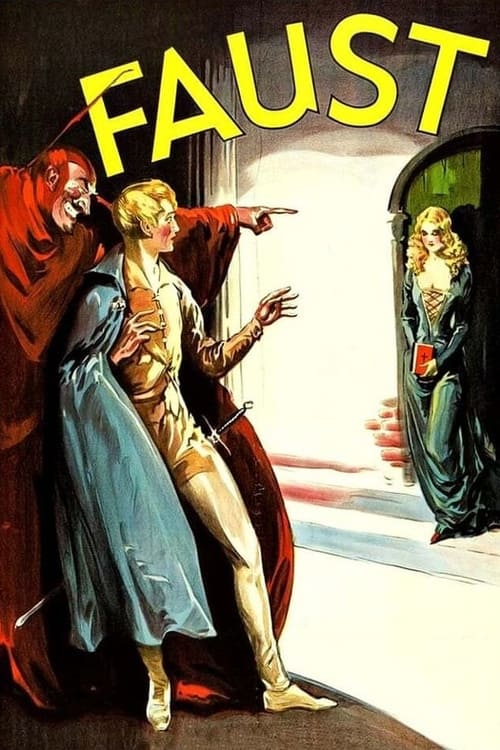
Faust
1926
No user ratings available yet
Representation score: 0.4 out of 10
Representation Score
Fair
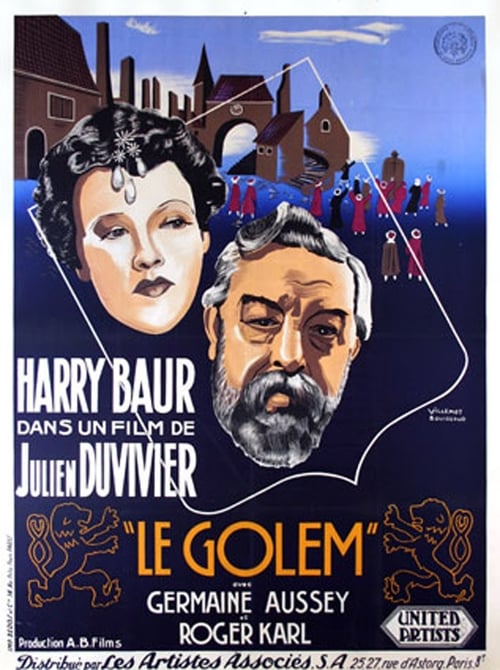
1936
Director
Julien Duvivier
Runtime
96 minutes
Average Rating
No ratings yetNew Showbiz Analysis
The Golem stands out for its historical focus on Jewish identity and the struggle against systemic persecution. By centering this community, the film offers a meaningful departure from the era's typical homogeneous storytelling. However, the film remains deeply tied to the patriarchal norms of the 1930s. Intellectual and creative authority is concentrated in male figures, leaving female characters with little control over their fate. Ultimately, while the film provides significant ethnic representation, the absence of diverse identities and LGBTQ+ narratives limits its overall diversity impact.
Category Breakdown
The film does not include any LGBTQ+ characters or narratives. The interpersonal dynamics focus on the creator and the community without exploring non-straight identities.
The narrative emphasizes patriarchal structures and male authority. Women play traditional roles but do not drive the plot.
The film centers on a Jewish community in Prague facing persecution. This focus on a underrepresented ethnic group provides a progressive layer of representation for the 1930s.
The story explores themes of morality and the survival of a specific cultural group. It avoids Western triumphalism, focusing instead on communal protection and the consequences of arrogance.
There is no explicit focus on neurodivergence or physical disability. The Golem serves as a non-human entity but primarily functions as a plot device.
Present on Screen
Limited or Absent
Official Synopsis
The Golem, a giant creature created out of clay by a rabbi, comes to life in a time of trouble to protect the Jews of Prague from persecution.
1926
1920

1915
1932
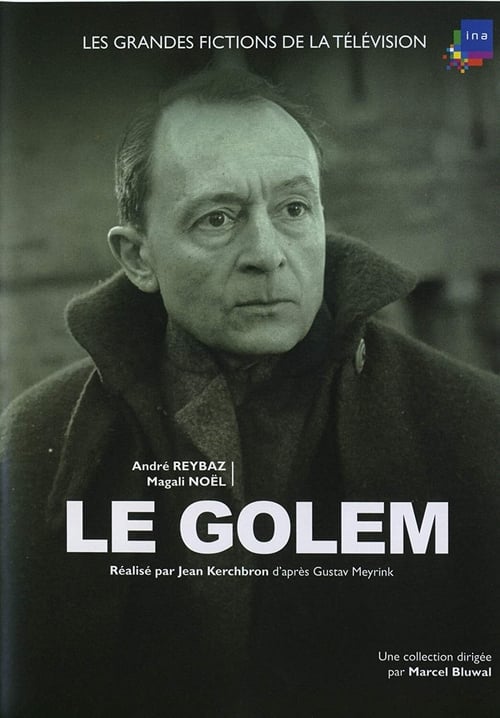
1967
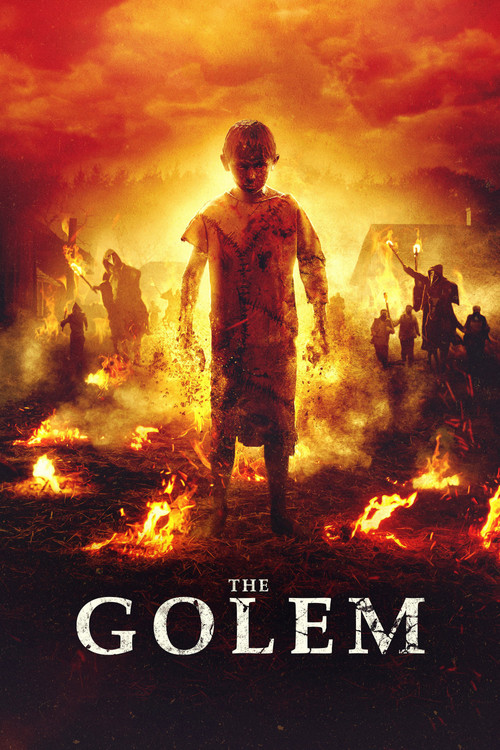
2018

1943

2001
No reviews yet. Be the first to share your thoughts on this movie!
Use the rating form above to leave a star rating and optional review.