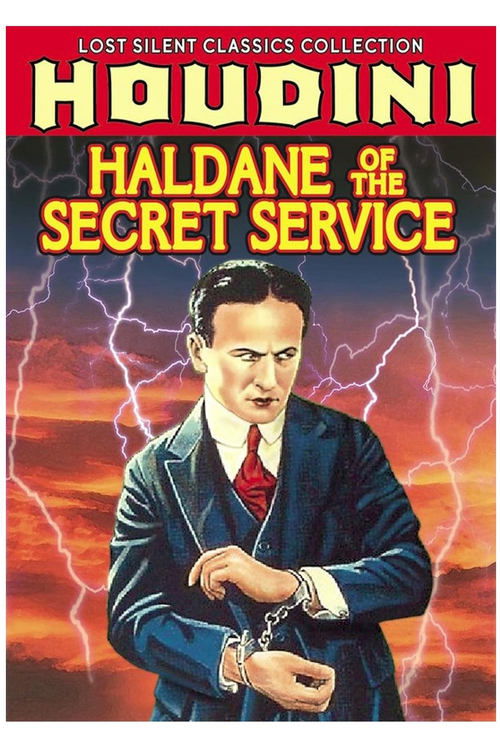
Haldane of the Secret Service
1923
No user ratings available yet
Representation score: 1.8 out of 10
No Poster Available
Representation Score
Minimal
1916
UDirector
Alexander Butler
Runtime
108 minutes
Average Rating
No ratings yetNew Showbiz Analysis
This 1916 silent adventure film is a product of its time, prioritizing traditional crime clichés over social complexity. The narrative is driven by masculine-coded vengeance and investigation, centering on a conflict between a detective and an ex-convict. The film lacks depth in reflecting multiple aspects of identity, adhering to the homogeneous casting and social structures prevalent in early 20th-century cinema. It functions as a standard genre piece that reinforces established moralities rather than subverting them. Ultimately, the production reflects the era's commercial storytelling standards, focusing on linear narratives and conventional social hierarchies.
Category Breakdown
The film does not include any LGBTQ+ characters or narratives. It follows the straight-centered romantic and platonic relationships typical of 1916 crime films.
The story revolves around masculine-coded conflicts between an ex-convict and a detective. Female characters are limited to traditional genre roles without challenging gender hierarchies.
The production likely reflects the homogeneous casting standards of the early 20th century. It centers on Anglo-Saxon protagonists and Western settings typical of Sherlock Holmes adaptations.
The story follows a traditional crime-and-punishment framework. It reinforces Western morality and the detective cliché of restoring order rather than challenging systemic institutions.
There is no information regarding the inclusion of characters with visible or invisible disabilities.
Present on Screen
Limited or Absent
Official Synopsis
An ex-convict tries to kill the detective who once posed as a member of an American hooded clan.
1923
1946
1930
1927
1936
1907
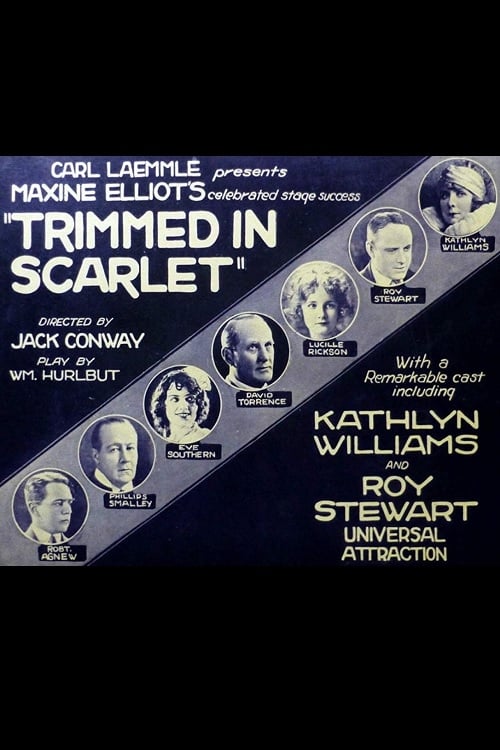
1923
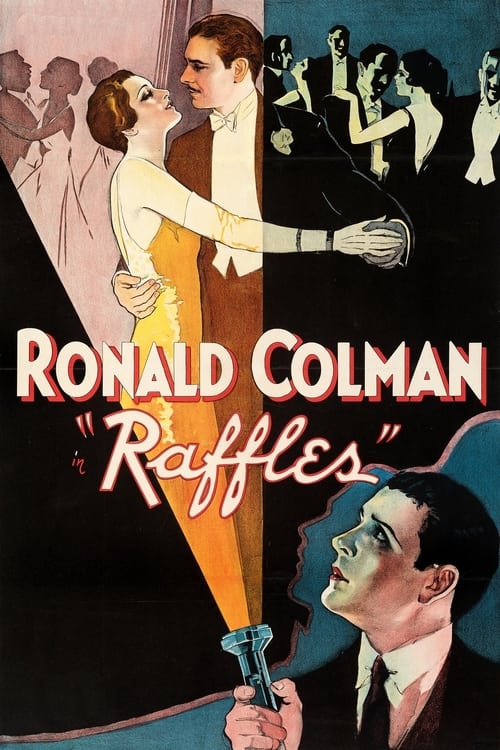
1930
No reviews yet. Be the first to share your thoughts on this movie!
Use the rating form above to leave a star rating and optional review.