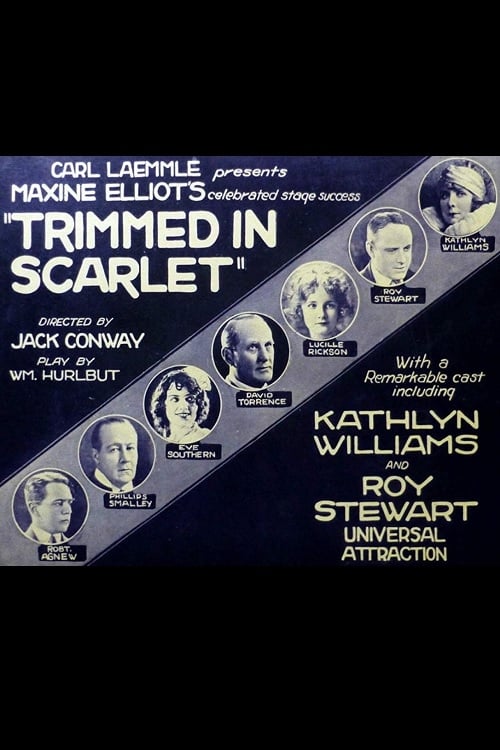
Trimmed in Scarlet
1923
No user ratings available yet
Representation score: 0.3 out of 10
Representation Score
Minimal
1923
PassedDirector
Robert F. Hill
Runtime
200 minutes
Average Rating
No ratings yetNew Showbiz Analysis
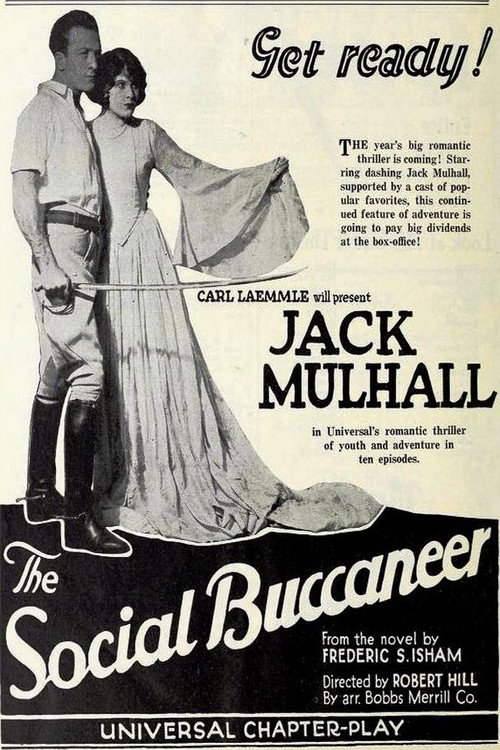
The Social Buccaneer is a standard silent-era adventure that adheres strictly to the commercial and social clichés of the 1920s. The narrative focuses on a hero's journey that prioritizes traditional masculinity and Western geopolitical conflicts. While the film provides a clear arc of redemption and honor, it does so without challenging systemic hierarchies. The characters function as archetypes of their era, reinforcing established class and gender norms. Ultimately, the film reflects the straight-centered and Western-centric cinematic landscape of the post-WWI period, offering little in the way of multi-layered representation.
Category Breakdown
The film follows a traditional romantic arc between a male protagonist and a female royal. There are no depictions of non-straight relationships or same-sex intimacy.
Jack Norton’s evolution from a fop to a combat-ready soldier reinforces traditional masculine ideals. Princess Elise serves the plot's political stakes rather than demonstrating independent influence.
The story centers on American and European archetypes. It lacks a non-Anglo-Saxon majority cast or a deliberate blending of diverse racial identities.
The narrative explores justice and familial loyalty through a lens of Western morality. It reinforces social status and individual merit rather than critiquing existing institutions.
There is no evidence of characters with visible or invisible disabilities playing central roles or serving as plot devices.
Present on Screen
Limited or Absent
Official Synopsis
John "Jack" Norton, before the war a society playboy and fop, returns from the trenches of World War One a two fisted American who finds his father, Raymond Norton, in jail, charged with theft of funds from the bank in which he was the president. The money, placed there by the American authorities for the Kingdom of Thorwald, and Princess Elise, is on the way to collect it. John lets his father think he is still the playboy he was before the war, but secretly dons his old 'Doughboy" uniform and sets out after the gang that framed his father.
1923

1926
1932
1920
1919
1920
1920
1930
No reviews yet. Be the first to share your thoughts on this movie!
Use the rating form above to leave a star rating and optional review.