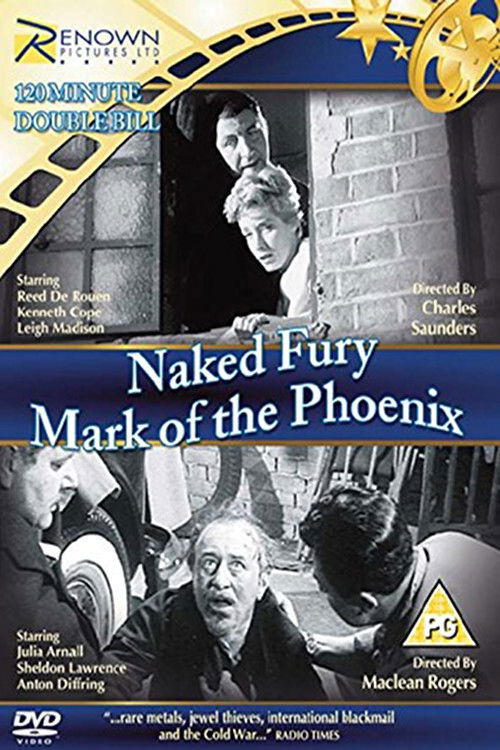
Mark of the Phoenix
1958
No user ratings available yet
Representation score: 1.3 out of 10
Representation Score
Limited
1958
ApprovedDirector
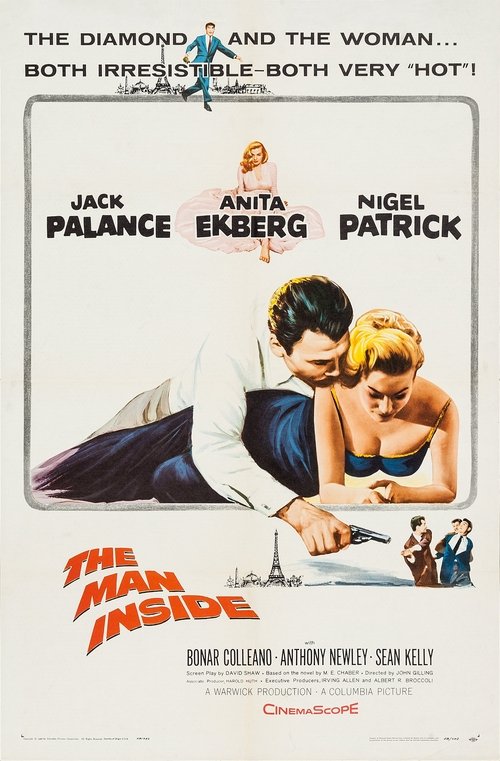
John Gilling
Runtime
90 minutes
Average Rating
No ratings yetNew Showbiz Analysis
The Man Inside is a mid-century crime thriller that closely follows the genre conventions of 1958. It operates as a standard detective procedural, emphasizing established social hierarchies and traditional investigative roles over narrative subversion. The film lacks visible diversity across most categories, reflecting the era's focus on homogeneous casting and straight-centered structures. It reinforces the status quo of Western law and order without offering critiques of these institutions. Overall, the work serves as a typical genre piece of its time, lacking intentional multi-layered structure or diverse character representation.
Category Breakdown
The film follows a traditional detective storyline centered around heterosexual relationships. There is no representation of non-binary gender identities or critiques of straight-centered structures within the narrative.
Roles seem defined by traditional gender roles common in 1958 crime films. The male protagonist likely dominates the plot, while female characters have limited influence.
The production aligns with the era's tendency towards homogeneous casting. There is no indication of a diverse cast representing various ethnicities.
The premise upholds traditional Western legal and property systems. The narrative does not challenge these norms with secular or morally relative viewpoints.
There is no clear depiction of neurodivergence, mental health issues, or physical disabilities as central themes in the story.
Present on Screen
Limited or Absent
Official Synopsis
A detective tracking a stolen gem begins to suspect there's more to the case than just theft.
1958
1961

1973

1959
1948

1948
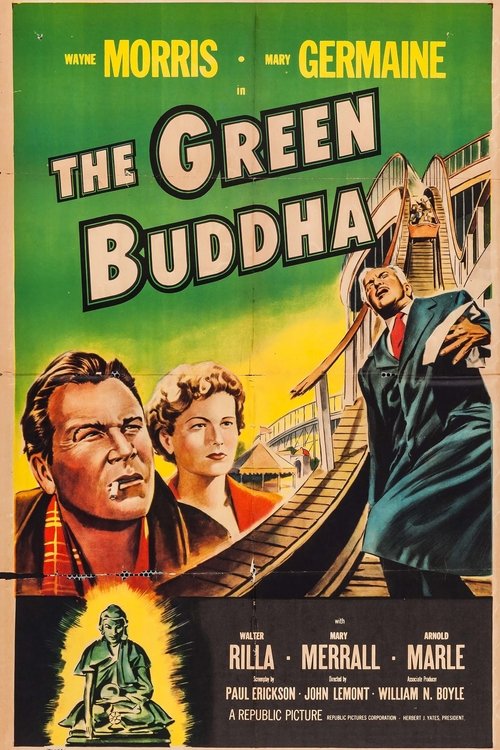
1954
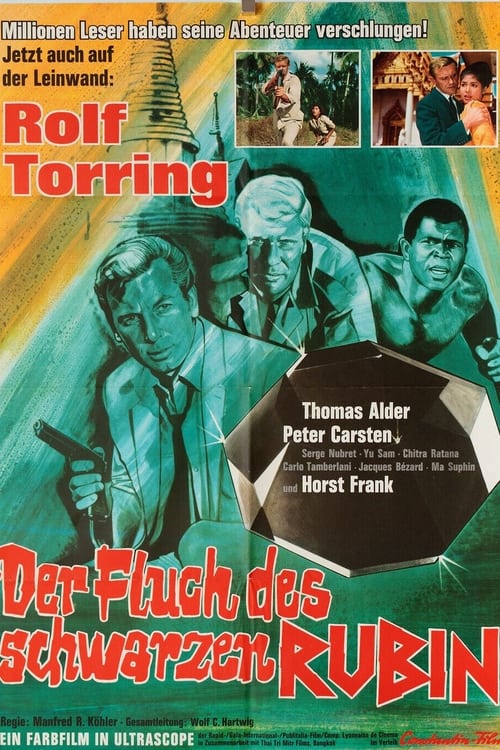
1965
No reviews yet. Be the first to share your thoughts on this movie!
Use the rating form above to leave a star rating and optional review.