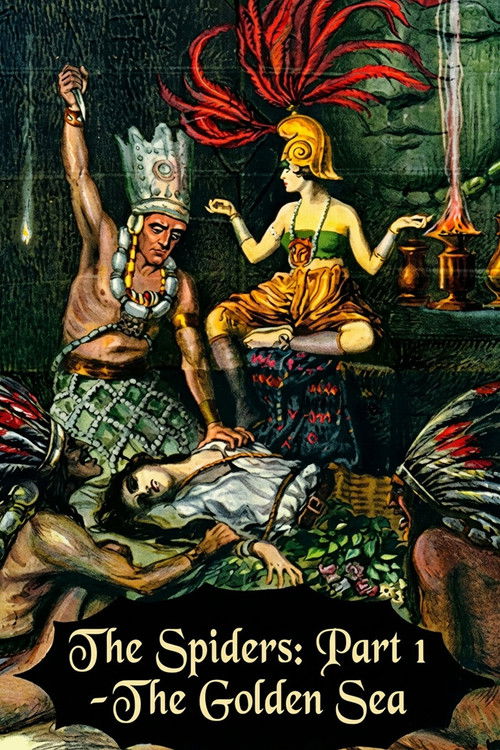
The Spiders: Part 1 - The Golden Sea
1919
No user ratings available yet
Diversity score: 4.2 out of 10
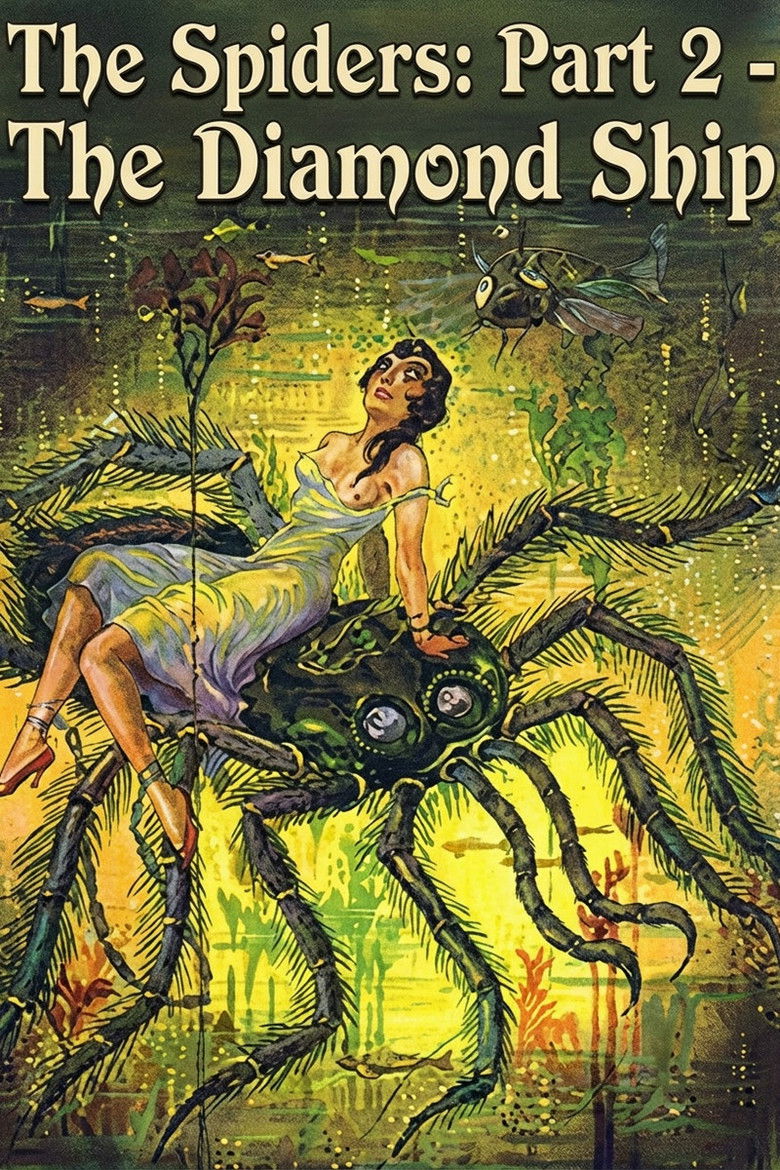
1920
Director
Fritz Lang
Runtime
105 minutes
Average Rating
No ratings yetSynopsis
When we last saw Kay Hoog (millionaire adventurer, courageous hunk), he’d been beset with tragedy. Having escaped an ancient Incan city by the skin of his gleaming teeth, Hoog looked forward to a few years of settled life with his (amicably) captured Incan lovely, Naela. But the past struck quickly. Hoog’s arch-nemesis, the homicidal femme Lio Sha, murdered Naela on the very grounds of Hoog’s estate, prompting him to swear revenge upon her and her criminal organization, the Spiders. Now he must find them, as the Spiders continue their global quest for the Buddha-head Diamond. The head, it’s said, has the power to restore Asia to world dominance.
Overall Score
Fair
Category Breakdown
LGBTQ+ Representation
The narrative focuses on a heteronormative romantic tragedy. There is no evidence of non-cisnormative identities or same-sex intimacy.
Gender Representation
Lio Sha provides a subversion of domestic femininity as a lethal, high-agency antagonist. However, the central plot remains a traditional masculine hero's journey driven by revenge.
Racial & Ethnic Diversity
The film incorporates Incan and Asian motifs, moving beyond Anglo-Saxon centricity. Yet, the plot may rely on Orientalist archetypes regarding geopolitical power shifts.
Religious & Cultural Diversity
The story introduces geopolitical complexity through a global criminal organization. It challenges Eurocentric stability by focusing on the redistribution of power via ancient artifacts.
Disability Representation
There are no identifiable depictions of physical or neurodivergent disabilities within the narrative.
Strengths
Areas for Improvement
AI Analysis
Fritz Lang’s installment in this adventure serial offers a complex look at global power dynamics through a 1920s lens. While it avoids total homogeneity by featuring international settings and a formidable female villain, the film remains anchored in conventional heroic frameworks. The inclusion of Incan characters and Asian-centric MacGuffins provides a broader scope than many contemporary works. However, these elements often lean on the era's specific geopolitical archetypes. Ultimately, the film balances character agency with traditional genre tropes, creating a narrative that is both globally focused and structurally conservative.
1919
1918
1931
1968
1916
1963
1926

1991
1962

1984
1936
1953
No reviews yet. Be the first to share your thoughts on this movie!
Use the rating form above to leave a star rating and optional review.