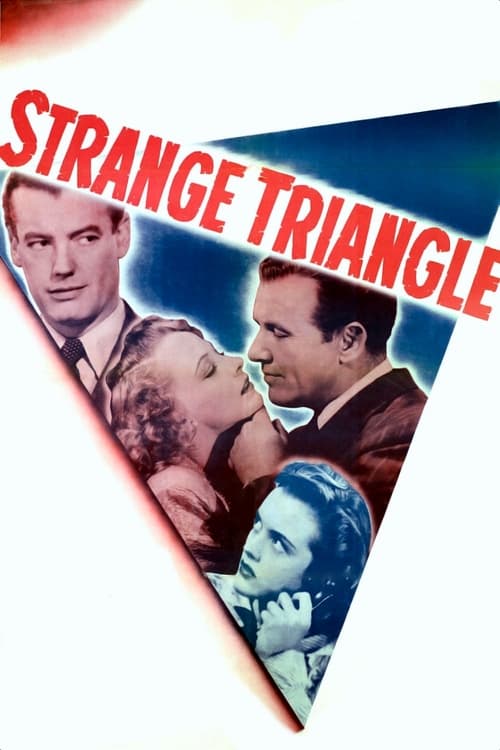
Strange Triangle
1946
No user ratings available yet
Diversity score: 2.2 out of 10
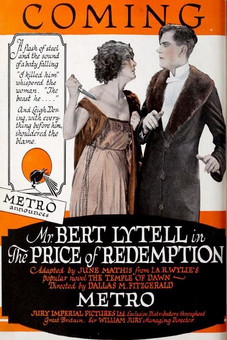
1920
PassedDirector
Dallas M. Fitzgerald
Runtime
60 minutes
Average Rating
No ratings yetSynopsis
Returning to England a hero after saving a British garrison in India, Leigh Dering marries Jean Desmond, the daughter of a wealthy merchant. Humiliated by the patronage of his wealthy father-in-law, Leigh turns to drink, estranging him from Jean. Returning home one night he finds the body of his wife's father. When Jean accuses her husband of the crime, Leigh disappears, making it seem as if he has been killed in a railway accident.
Overall Score
Limited
Category Breakdown
LGBTQ+ Representation
The film focuses on a traditional heterosexual marriage between Leigh Dering and Jean Desmond. There is no evidence of non-cisnormative identities or same-sex intimacy.
Gender Representation
The narrative follows a patriarchal trajectory where the male protagonist drives the central conflict. Jean Desmond's role is largely tethered to her relationships with her husband and father.
Racial & Ethnic Diversity
While set against a British garrison in India, the story centers on Anglo-Saxon protagonists. The colonial setting serves as a backdrop for Western heroism rather than a space for diverse agency.
Religious & Cultural Diversity
The plot emphasizes Western values of heroism, marriage, and social standing. It focuses on preserving class dignity and resolving moral failings within a conventional social framework.
Disability Representation
The film contains no mention of characters with visible or invisible disabilities, neurodivergence, or chronic health conditions.
Strengths
Areas for Improvement
AI Analysis
The Price of Redemption is a conventional silent-era melodrama that adheres to the social and narrative hierarchies of 1920. The story prioritizes individual moral redemption and traditional gender roles over any attempt to disrupt established social norms. The film's perspective is heavily centered on a homogeneous Anglo-Saxon experience. Even when utilizing a colonial setting in India, the narrative remains focused on the domestic and social struggles of the British protagonists. Ultimately, the film lacks intersectional complexity. It functions as a standard period drama that reinforces the patriarchal and class-based structures of its time.
1946
1933
1923
1926
1932
No reviews yet. Be the first to share your thoughts on this movie!
Use the rating form above to leave a star rating and optional review.