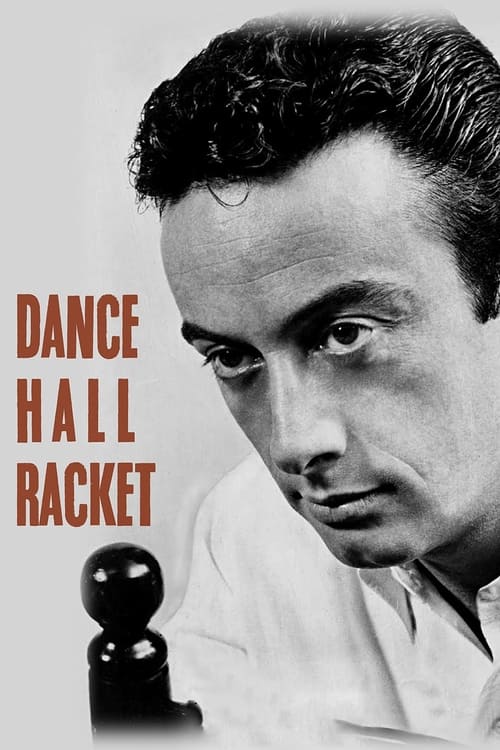
Dance Hall Racket
1953
No user ratings available yet
Representation score: 0.8 out of 10
Representation Score
Minimal
1949
ApprovedDirector
Lew Landers
Runtime
65 minutes
Average Rating
No ratings yetNew Showbiz Analysis
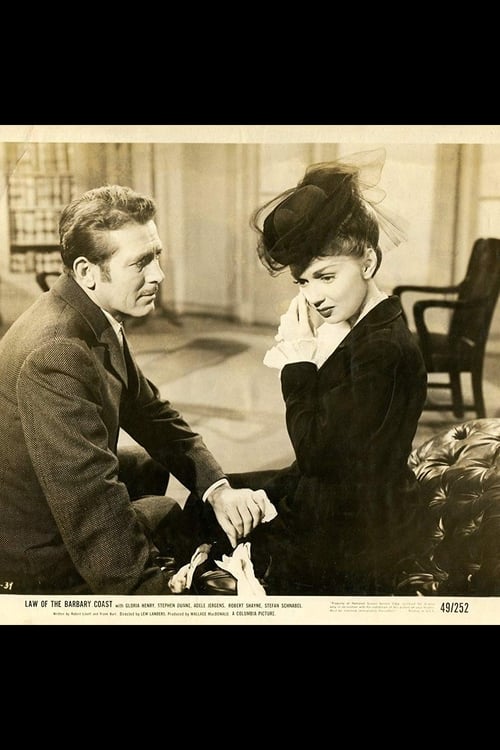
Law of the Barbary Coast adheres to the conventional social hierarchies and narrative structures of 1940s cinema. It follows a standard law-and-order arc that prioritizes traditional morality and established justice. The film lacks depth in its portrayal of diverse characters, relying on period clichés and traditional gender roles. It focuses on a singular, conventional worldview without offering much in the way of social critique or diverse character's ability to drive the story.
Category Breakdown
There are no LGBTQ+ characters or explorations of non-straight relationships in the film. The interpersonal dynamics follow traditional heterosexual norms.
Julie takes a significant role by infiltrating a gambling house as a dance-hall girl, but her actions are driven by male characters, emphasizing their control over the plot.
Chinese characters appear to reflect the historical San Francisco setting. However, their portrayal relies on period clichés rather than nuanced, actively leading roles.
The film operates within a traditional Western moral framework focused on restoring legal order. It emphasizes the stability of social structures without critiquing Western institutions.
There are no characters with visible or invisible disabilities in the story. The film does not engage with disability or neurodivergence as a thematic element.
Present on Screen
Limited or Absent
Official Synopsis
Wayne Adams is murdered in a Barbary Coast saloon and gambling hall in San Francisco in 1880, and his sister, Julie, enlists the aid of the district attorney, Michael Lodge, in gathering evidence in which to convict the owner of the gambling house of the crime. In order to do so, Julie poses as a dance-hall-girl, and soon finds herself in a dangerous situation.
1953

1939
1948

1937

1937

1955
1932

1939
No reviews yet. Be the first to share your thoughts on this movie!
Use the rating form above to leave a star rating and optional review.