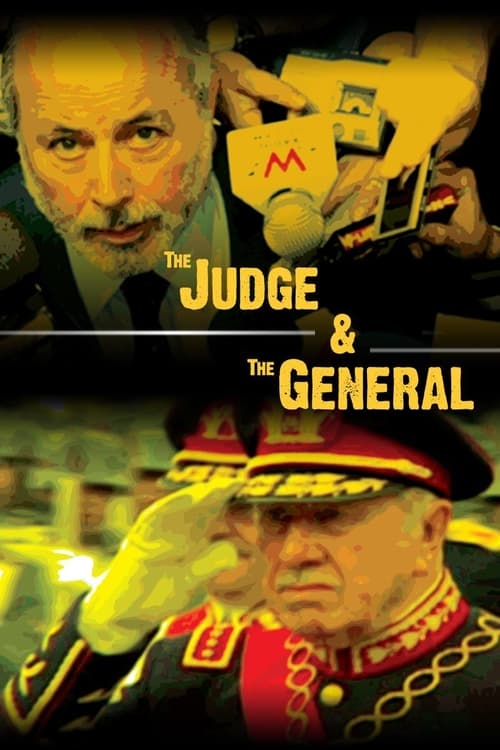
The Judge and the General
2008
No user ratings available yet
Representation score: 6.0 out of 10

Representation Score
Fair
2011
Director
Jean de Certeau, Marcela Said
Runtime
70 minutes
Average Rating
No ratings yetNew Showbiz Analysis
The documentary provides a sophisticated, relativistic look at the consequences of state-sanctioned violence in Chile. It succeeds by challenging Western-centric historical narratives and focusing on the systemic mechanics of a Latin American dictatorship. While the film lacks LGBTQ+ and disability representation, it excels in cultural and regional ability to act. The creative leadership provides a necessary lens to deconstruct traditional authority and military history. Ultimately, the film's strength lies in its refusal to offer a simplified moral arc, opting instead for a complex exploration of complicity and historical trauma.
Category Breakdown
The documentary focuses solely on political history and state violence. There is no depiction of LGBTQ+ characters or themes related to non-straight relationships.
Marcela Said's directorial involvement brings a nuanced perspective that avoids glorifying traditional masculine militarism. Despite the subject being male, the creative leadership offers a departure from male-dominated military histories.
The film centers on the Chilean experience, prioritizing a non-Anglo-Saxon perspective. It shifts the narrative focus away from Western-centric accounts toward the lived realities of the Global South.
The work utilizes a framework of systemic critique to portray state institutions as corrupt and oppressive. It explores the complex nature of guilt and political violence rather than relying on traditional morality.
There is no documented evidence regarding the portrayal of physical or neurodivergent disabilities within the film.
Present on Screen
Limited or Absent
Official Synopsis
A film about a man who once took part in Pinochet's massacres.
2008
2010

2001

2012

1994
2014

2001

2019
No reviews yet. Be the first to share your thoughts on this movie!
Use the rating form above to leave a star rating and optional review.