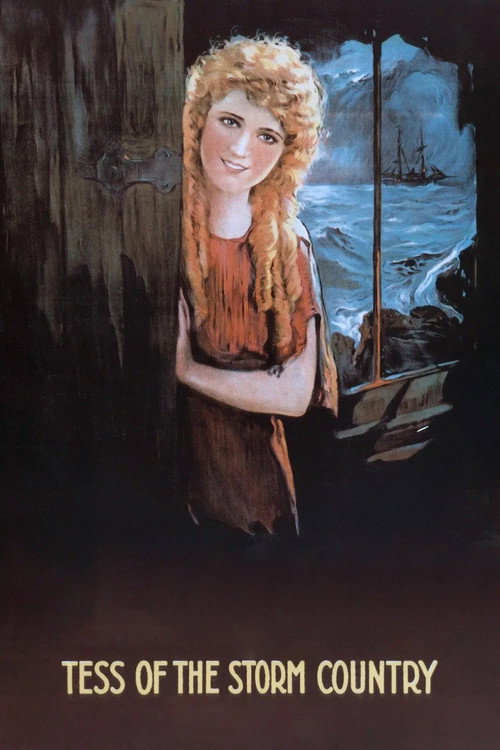
Tess of the Storm Country
1914
No user ratings available yet
Diversity score: 2.6 out of 10
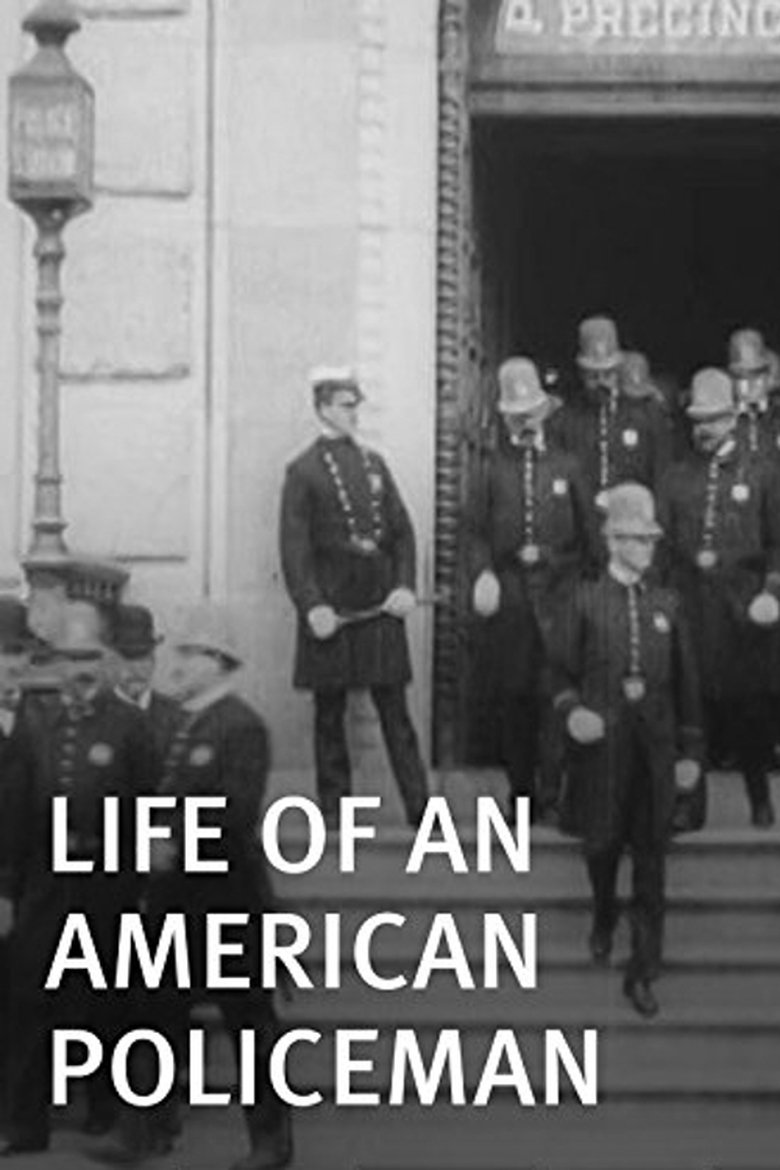
1905
Director
Edwin S. Porter
Runtime
14 minutes
Average Rating
No ratings yetSynopsis
A policeman has breakfast with his wife and children, and then prepares for the day's work. While on his beat, he finds and helps a lost child. Later, several officers try to save a woman who has attempted to drown herself. And there are some even more hazardous situations yet to come.
Overall Score
Limited
Category Breakdown
LGBTQ+ Representation
The film centers on a traditional nuclear family structure. There is no depiction of non-cisnormative identities or same-sex intimacy.
Gender Representation
Gender roles follow early 20th-century hierarchies. The male protagonist acts as the active protector, while women are relegated to the domestic sphere.
Racial & Ethnic Diversity
The narrative reflects a homogeneous social environment. There is no indication of a multi-ethnic cast or the subversion of Anglo-Saxon centricity.
Religious & Cultural Diversity
The story promotes Western institutional values, specifically the sanctity of the nuclear family. It portrays law enforcement as a stabilizing civic force.
Disability Representation
The film contains no visible or invisible depictions of disability. No characters with specific accessibility needs are mentioned.
Strengths
Areas for Improvement
AI Analysis
This early cinematic work functions as a slice-of-life procedural that reinforces the social norms of 1905. The narrative architecture is built around traditional institutions, specifically the nuclear family and the authority of the state. The film lacks intersectional complexity, focusing instead on a singular, conventional authority figure. It serves as a historical baseline for non-subversive storytelling, prioritizing domesticity and civic duty over diverse character development. Because the film predates modern frameworks of intentional representation, it presents a demographic uniformity typical of its era.
1914
1913
1920
1920

1954

1916

1909
1905
1905
1905
1913
1919
No reviews yet. Be the first to share your thoughts on this movie!
Use the rating form above to leave a star rating and optional review.