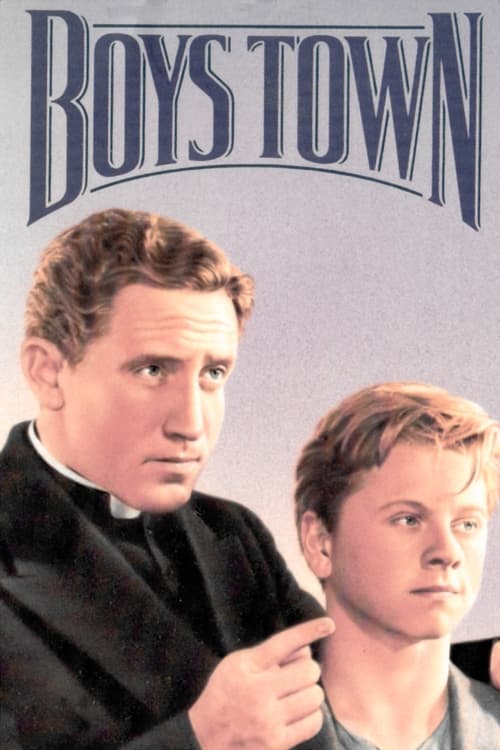
Boys Town
1938
No user ratings available yet
Representation score: 1.3 out of 10
Representation Score
Minimal
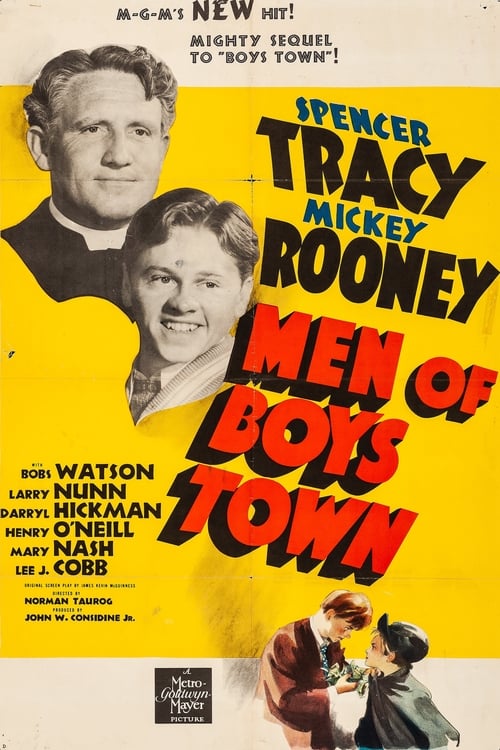
1941
ApprovedDirector
Norman Taurog
Runtime
106 minutes
Average Rating
No ratings yetNew Showbiz Analysis
Men of Boys Town is a product of its historical era, reinforcing mid-century social, religious, and gender hierarchies. The narrative prioritizes the stability of Western institutions and authoritative guidance over any disruption of social structures. The film's focus remains strictly on the development of young men under patriarchal leadership, creating a narrow social lens that lacks significant representation of diverse identities or perspectives. While the inclusion of a disabled character provides some representation, it is framed through a lens of institutional benevolence rather than individual autonomy. Ultimately, the film reinforces established societal norms.
Category Breakdown
The film does not include any visible LGBTQ+ characters or representations of non-straight relationships. The story focuses solely on male mentorship and brotherhood.
The story centers on male-dominated environments and emphasizes patriarchal guidance. It reinforces traditional gender roles by presenting male authority figures as key architects of social order.
Reflecting the casting standards of 1941, the film features a predominantly white cast with little evidence of significant racial diversity or ethnic backgrounds.
The drama reinforces Western institutional values through religious-based guidance. It portrays authority and discipline as positive tools for correcting delinquency and maintaining social order.
A disabled character is included, but the depiction emphasizes a traditional charity narrative where the character serves to highlight the benevolence of the institution's leaders.
Present on Screen
Limited or Absent
Official Synopsis
Father Flanagan raises funds, helps a disabled boy, and saves an older boy from reform school.
1938
1946
1934
1945
1939
1965

1948
1944
No reviews yet. Be the first to share your thoughts on this movie!
Use the rating form above to leave a star rating and optional review.