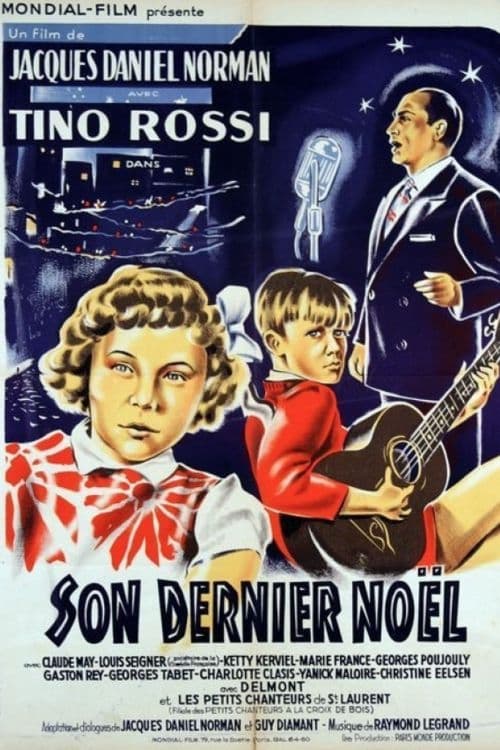
Her Last Christmas
1952
No user ratings available yet
Representation score: 3.5 out of 10
Representation Score
Limited
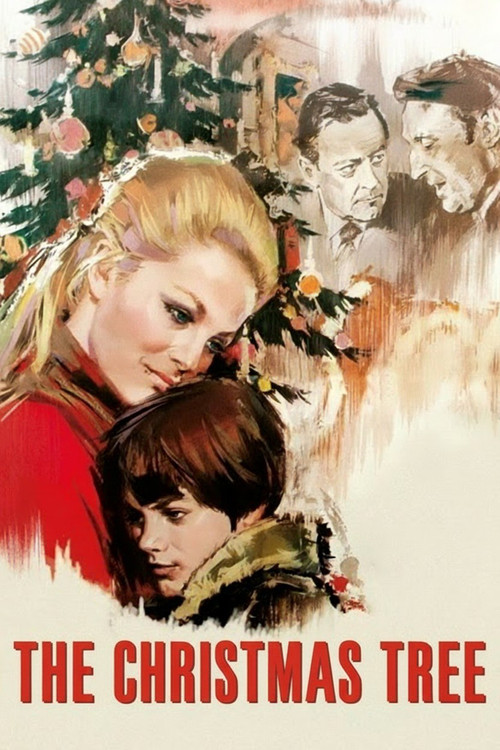
1969
GDirector
Terence Young
Runtime
110 minutes
Average Rating
No ratings yetNew Showbiz Analysis
The Christmas Tree is a traditional sentimental drama that follows the standard demographic and cultural norms of 1969 Western cinema. The narrative centers on a wealthy benefactor and his companions dealing with a personal tragedy, emphasizing conventional emotional arcs. Since the film focuses on fulfilling a dying child's wishes, the characters often operate within established social hierarchies. The story reinforces traditional ideas of family and philanthropy rather than offering progressive or subversive perspectives. Ultimately, the film lacks the structure needed to challenge social expectations, instead focusing on familial duty and terminal illness in a manner typical of its time.
Category Breakdown
The film does not include any characters with non-binary gender identities or same-sex relationships. The character interactions suggest a traditional social structure without questioning the assumption that everyone is straight or cisgender.
The narrative seems to center around male characters, particularly the millionaire and his war buddy. Although a girlfriend is present, there is no indication that the story challenges traditional gender roles.
The film focuses on a specific wealthy social class in a French-American setting, suggesting a homogeneous cast. There is no evidence of multi-ethnic representation within the story.
The story upholds traditional Western sentimentality and the sanctity of the nuclear family. It operates within established socioeconomic structures without challenging them.
The dying son serves as an emotional catalyst for the protagonists. However, the film does not explore disability as a complex identity or a source of control over one’s life.
Present on Screen
Limited or Absent
Official Synopsis
A French-American millionaire, his girlfriend and his war buddy try to grant his dying son's every wish.
1952
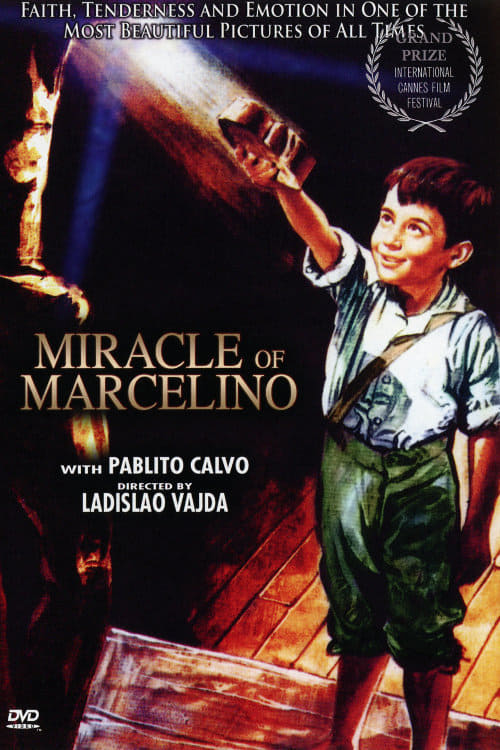
1955
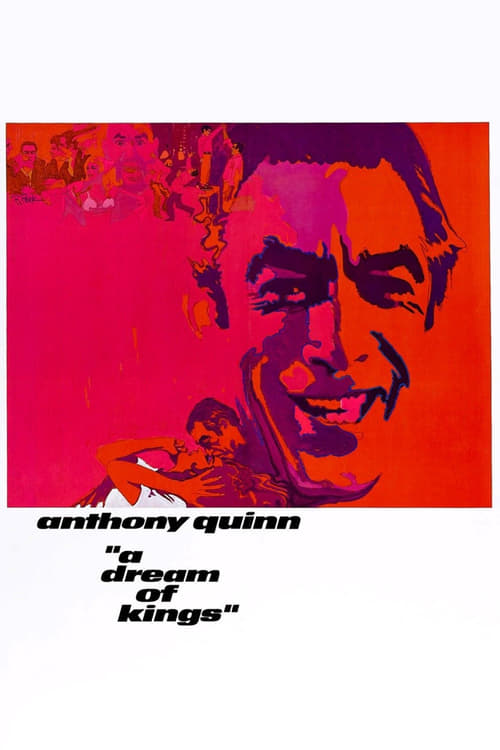
1969

2017
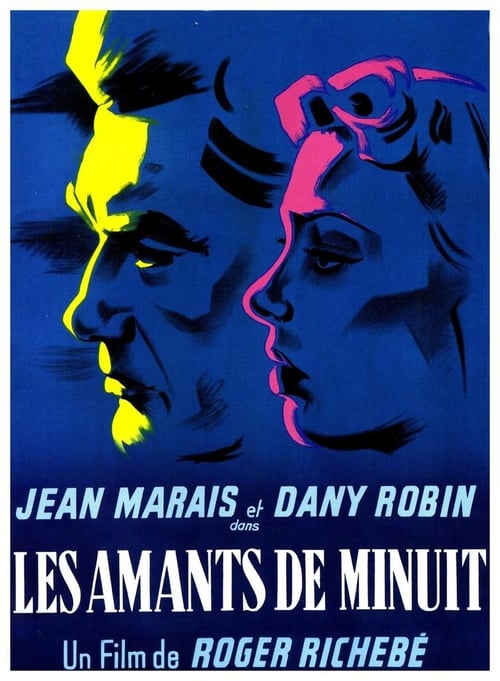
1953
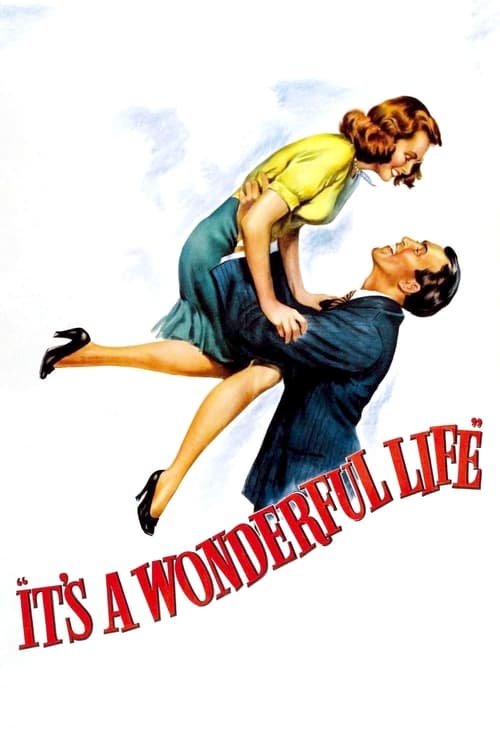
1946
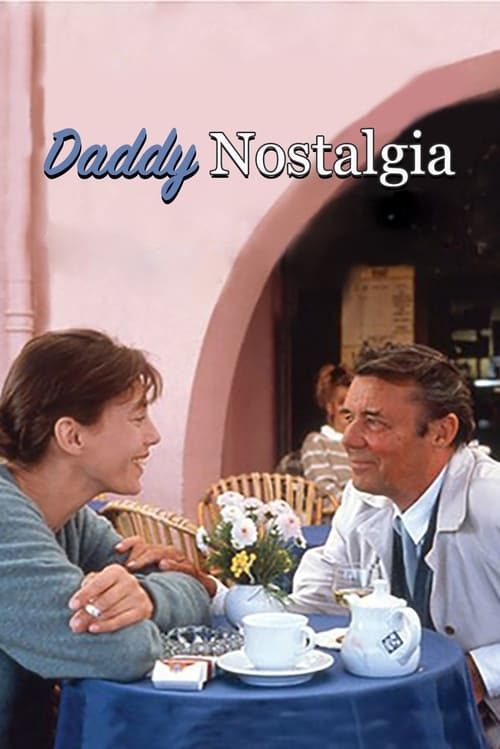
1990
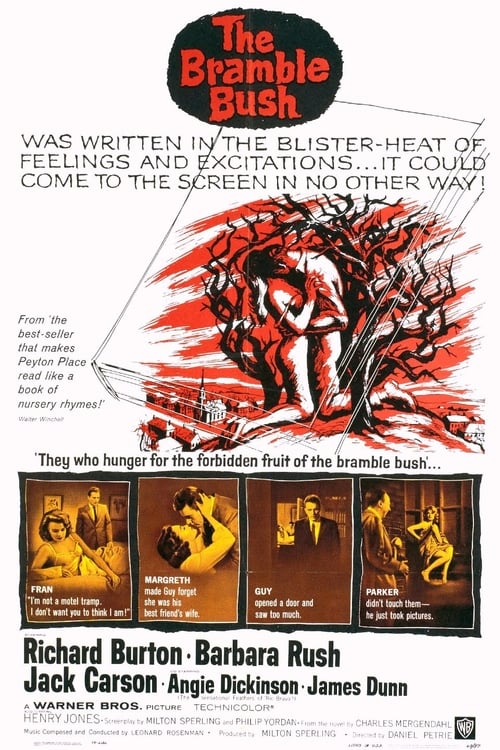
1960
No reviews yet. Be the first to share your thoughts on this movie!
Use the rating form above to leave a star rating and optional review.