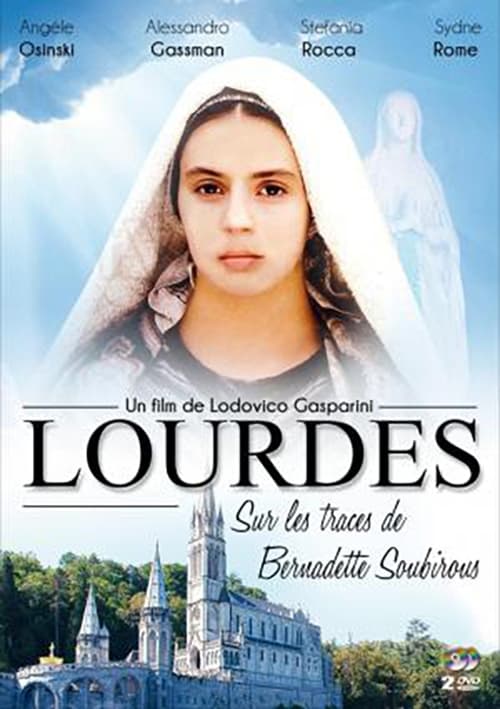
Lourdes
2000
No user ratings available yet
Representation score: 3.2 out of 10
No Poster Available
Representation Score
Limited
1939
ApprovedDirector
Henry K. Dunn
Runtime
11 minutes
Average Rating
No ratings yetNew Showbiz Analysis
Miracle at Lourdes is a product of 1939 studio cinema, emphasizing religious validation and traditional social structures. The film operates within a conservative framework that highlights spiritual conviction over diverse perspectives. Representation is constrained by the era's standards, resulting in a homogeneous cast and a lack of depth in character development. While disability is central to the plot, it is primarily used as a narrative tool for divine intervention rather than a nuanced portrayal of lived experience. Ultimately, the film reinforces mid-century Western hierarchies, offering little challenge to established social or religious norms.
Category Breakdown
The film does not include any characters with non-traditional gender identities or same-sex relationships. It reflects the social structures and production standards typical of its time.
Women's roles in the film are often tied to spiritual devotion or domestic duties. The movie adheres to traditional gender hierarchies common during that period.
The production features a predominantly white cast, reflecting the era's preference for homogeneous casting. There is no indication of a diverse or non-Anglo-Saxon majority cast.
The story centers around validating religious institutions and upholding a singular moral code. It serves to reinforce traditional spiritual values.
Physical disabilities play a central role in the plot, often serving as a device for miraculous cures. This portrayal lacks nuance, treating disabilities as conditions to be fixed.
Present on Screen
Limited or Absent
Official Synopsis
Can faith work miracles? You be the judge.
2000

1943

1931
1955
1982

1951

1951
1927
No reviews yet. Be the first to share your thoughts on this movie!
Use the rating form above to leave a star rating and optional review.