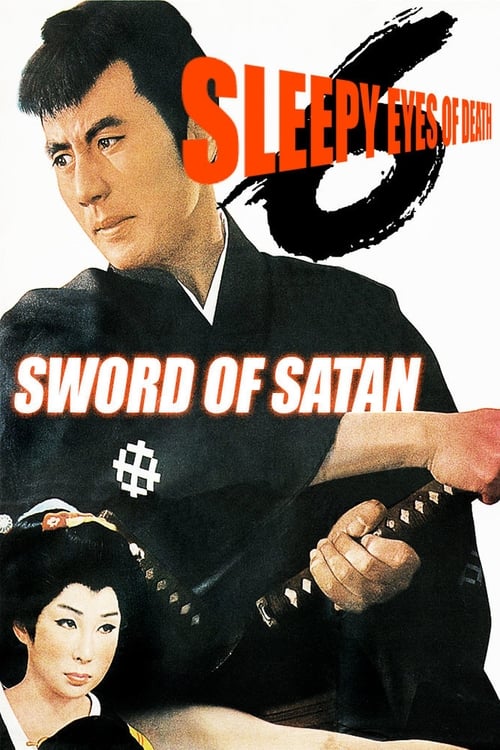
Sleepy Eyes of Death 6: Sword of Satan
1965
No user ratings available yet
Representation score: 3.4 out of 10
Representation Score
Limited
1968
Director
Tokuzō Tanaka
Runtime
82 minutes
Average Rating
No ratings yetNew Showbiz Analysis
This film adheres to the traditional social and narrative structures of 1960s Japanese action cinema. It emphasizes classical power dynamics and feudal loyalty over the deconstruction of systemic norms. The narrative focuses on the competition among retainers for control of a fiefdom. Despite the title hinting at female-driven conflict, the actual representation aligns with the era's social constraints. Ultimately, the work serves as a historically accurate drama that upholds traditional structures of authority without challenging them through diverse or progressive perspectives.
Category Breakdown
The film does not include visible representations of LGBTQ+ identities or same-sex relationships. The plot revolves around traditional masculine conflicts and power struggles.
Although the title suggests a focus on female-driven conflict, women primarily act as catalysts for male-driven plots. There is no clear indication of challenging traditional gender hierarchies.
The cast is predominantly homogeneous, reflecting the historical context of a Japanese fiefdom. The film does not use non-Western metaphors to challenge conventional norms.
The story centers on feudal power struggles and established hierarchies. The conflict is driven by the seizure of political authority, rather than critiquing institutional norms.
The film does not depict any characters navigating physical or neurodivergent disabilities.
Present on Screen
Limited or Absent
Official Synopsis
Two devious retainers are competing to take control of a fief when the current Lord dies, but involving Kyoshiro in the conflict against his will is the textbook example of a bad idea - especially when the collateral damage starts to tick him off.
1965
1972
1965
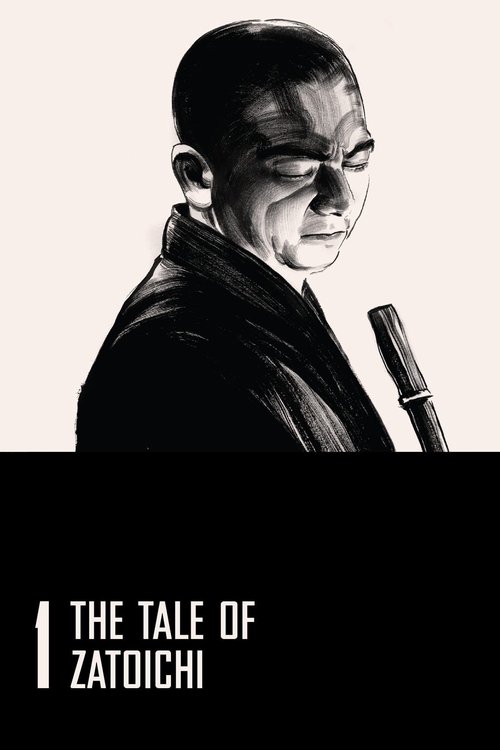
1962
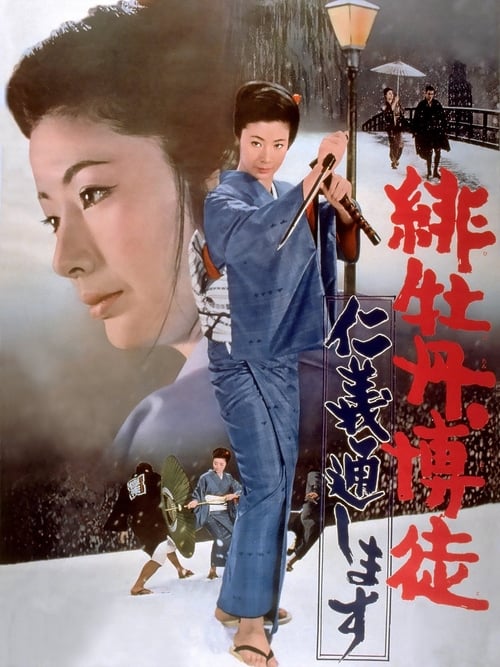
1972
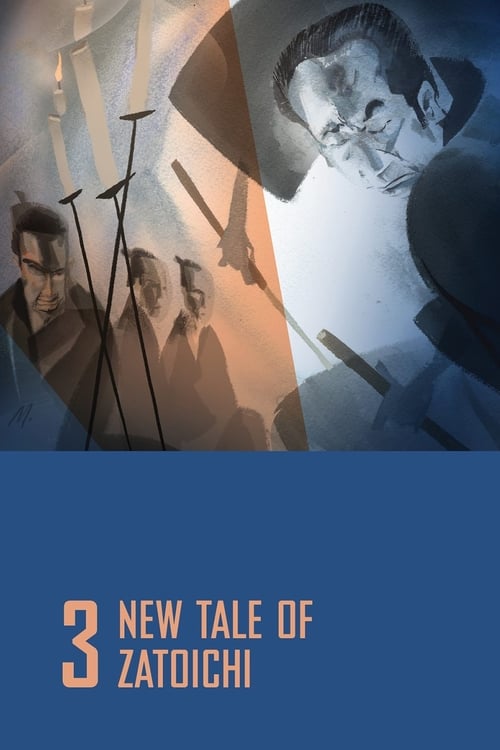
1963
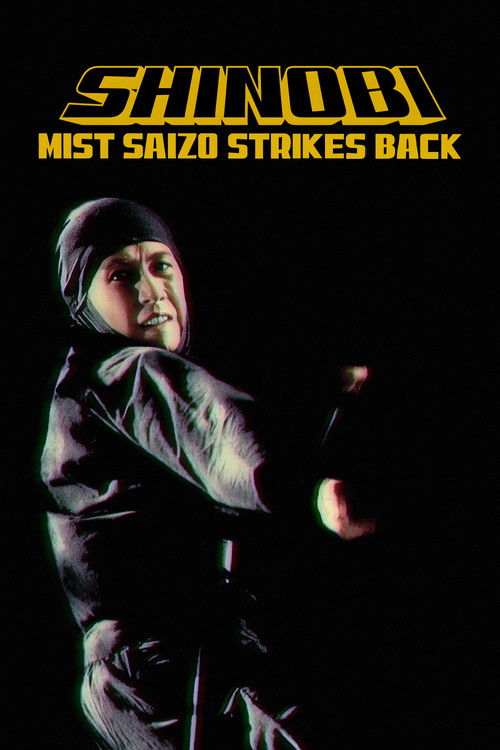
1966
1963
No reviews yet. Be the first to share your thoughts on this movie!
Use the rating form above to leave a star rating and optional review.