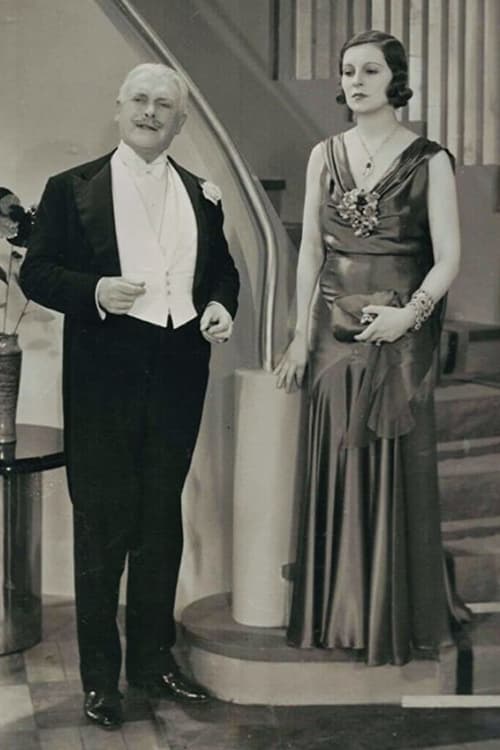
These Charming People
1931
No user ratings available yet
Diversity score: 1.6 out of 10
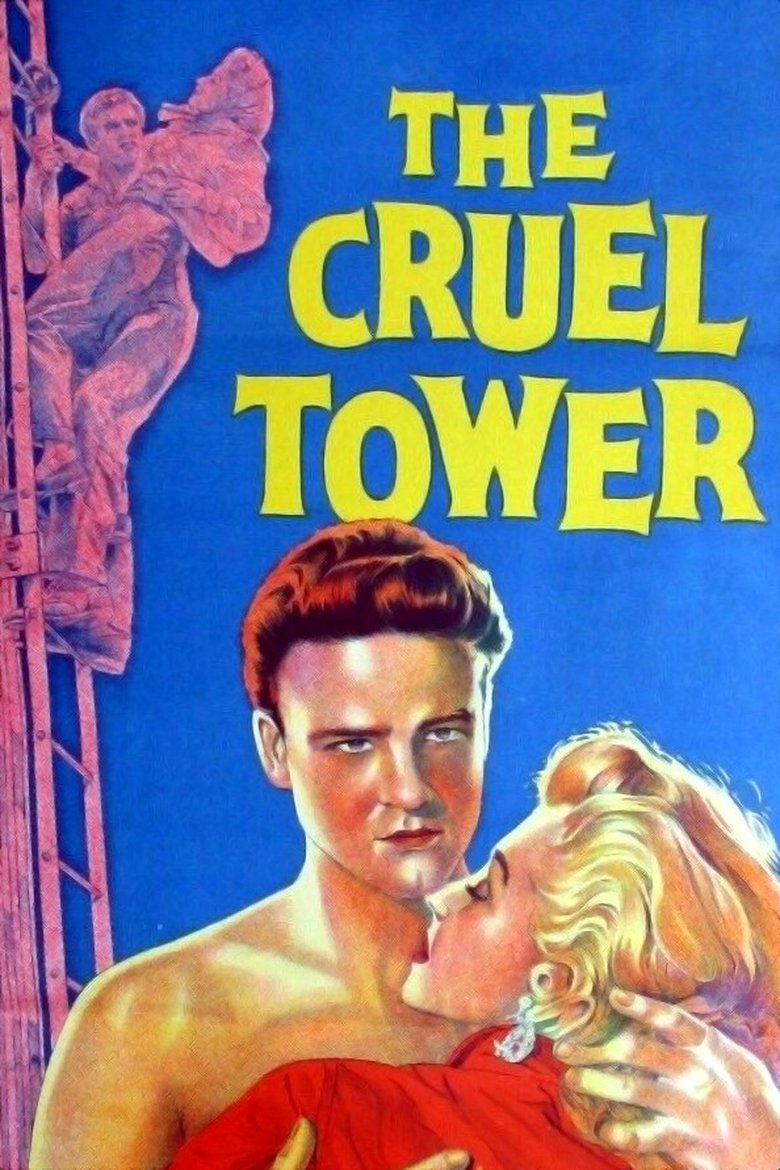
1956
Director
Lew Landers
Runtime
79 minutes
Average Rating
No ratings yetSynopsis
The story of a bunch of hard-drinking steeplejacks.
Overall Score
Limited
Category Breakdown
LGBTQ+ Representation
The film centers on a group of hard-drinking steeplejacks. This setting emphasizes traditional, heteronormative masculinity with no evidence of non-cisnormative identities.
Gender Representation
The narrative focuses on a male-dominated labor environment. Female characters likely occupy secondary or domestic roles, reinforcing the era's standard gender hierarchies.
Racial & Ethnic Diversity
The film reflects the era's tendency toward Anglo-centric storytelling. There is no evidence of significant characters of color with high agency.
Religious & Cultural Diversity
The story follows standard mid-century dramatic conventions. It portrays traditional working-class masculinity rather than deconstructing Western institutions or social orders.
Disability Representation
The available synopsis contains no mention of characters with visible or invisible disabilities.
Strengths
Areas for Improvement
AI Analysis
The Cruel Tower is a mid-century crime drama that adheres strictly to the social hierarchies of 1956. It focuses on a specific occupational subculture of steeplejacks, prioritizing masculine-coded labor and traditional genre tropes. The film operates within conventional frameworks, offering little to no subversion of social norms. The narrative structure favors established archetypes over intersectional storytelling or progressive representation. Ultimately, the work serves as a snapshot of studio-era filmmaking, where character agency is tied to traditional gender and racial roles common to the period.
1931
1955
1956
1935
1957
1956
1947
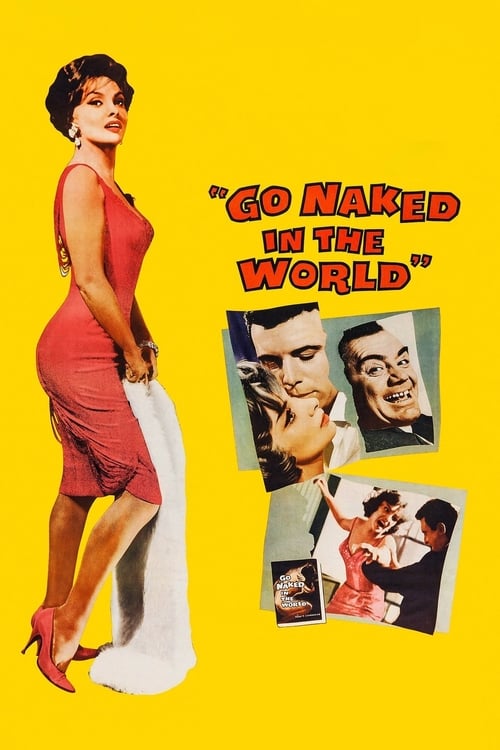
1961
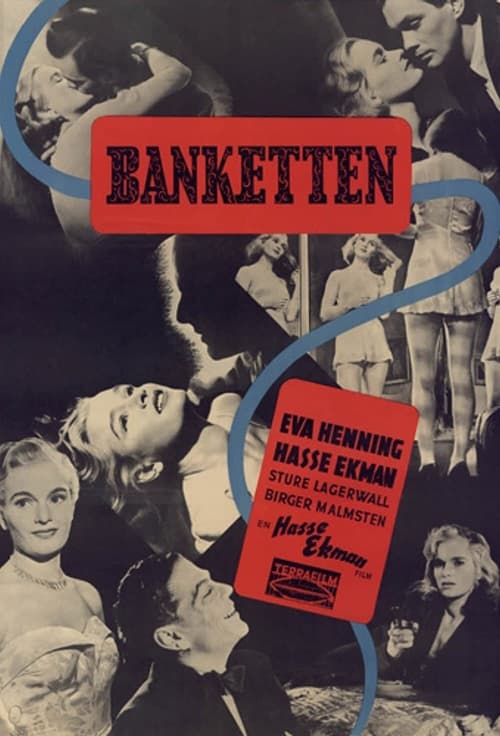
1948
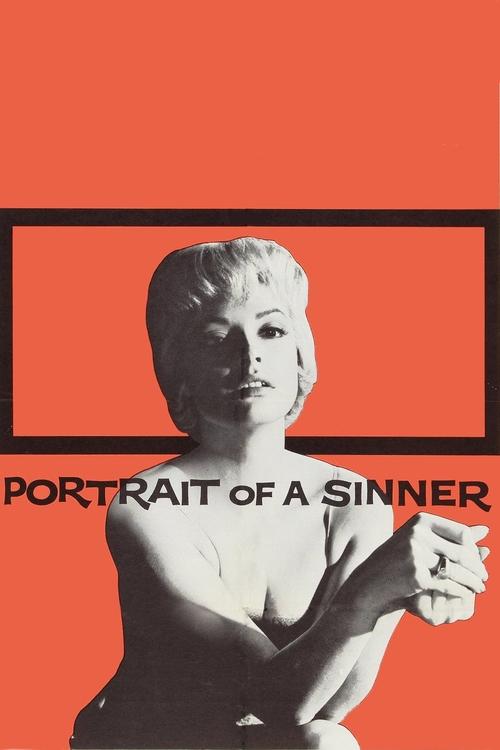
1959
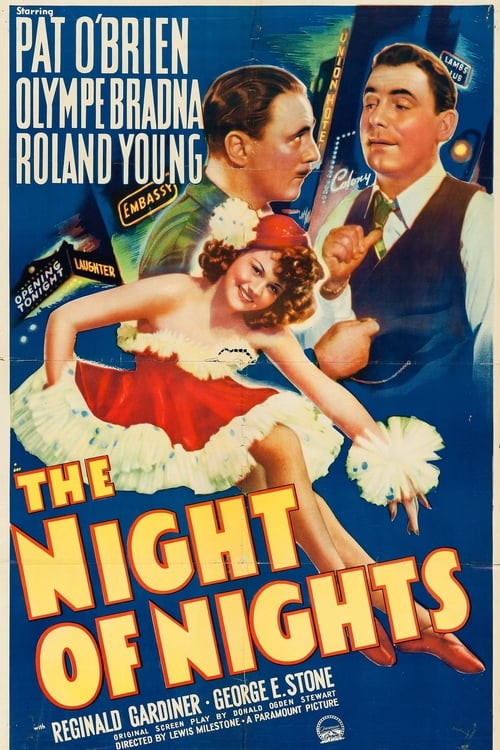
1939
1955
No reviews yet. Be the first to share your thoughts on this movie!
Use the rating form above to leave a star rating and optional review.