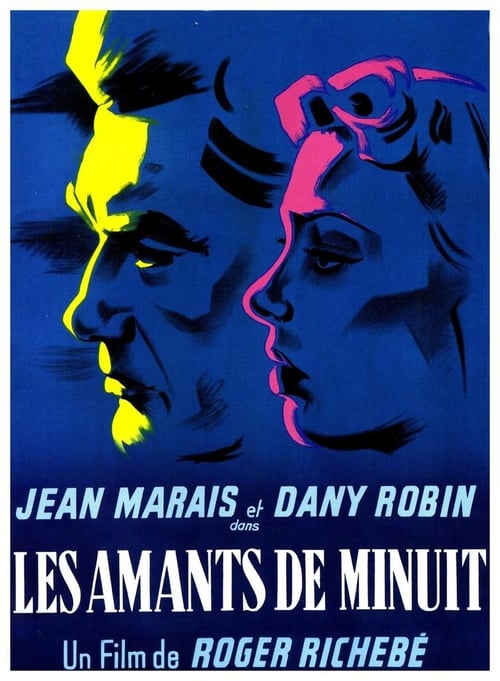
The Lovers of Midnight
1953
No user ratings available yet
Diversity score: 2.6 out of 10

1955
Director
Georges Lacombe
Runtime
100 minutes
Average Rating
No ratings yetSynopsis
Traumatised by a serious accident, truck driver Georges Moreau knows that he must avoid strong emotions and any kind of stress. Recently wed, he hopes to start anew by opening a restaurant on the National 7 highway, although he's none too pleased when the truckers start flirting with his lovely wife. Opposite the restaurant is a petrol station owned by Pieri, whom Georges begins to suspect of having an affair with his wife. Doubtful of her fidelity, Georges realises that he's heading for a nervous breakdown.
Overall Score
Limited
Category Breakdown
LGBTQ+ Representation
The film lacks any evidence of LGBTQ+ characters or non-heteronormative identities. The narrative follows the traditional romantic and extramarital tensions typical of 1955 French cinema.
Gender Representation
The story centers on a lonely wife, offering a character study of female emotional isolation. While her agency is tied to her relationships with men, the focus on her internal psychology provides some depth.
Racial & Ethnic Diversity
The production reflects the homogeneous demographic norms of mid-century France. There is no evidence of significant non-white representation or race-bent casting within the narrative.
Religious & Cultural Diversity
The drama explores individual morality within a mid-century industrial and working-class milieu. It operates within established social frameworks rather than offering a critique of systemic institutions.
Disability Representation
There is no evidence of characters with physical or neurodivergent disabilities playing a central role in the story.
Strengths
Areas for Improvement
AI Analysis
The film is a period-specific drama that adheres closely to the social and demographic boundaries of 1955 France. It functions as a character study of a woman's emotional isolation, yet remains tethered to traditional romantic conflicts involving men. While the psychological focus on the female protagonist offers a slight departure from purely submissive tropes, the film lacks intersectional complexity. It does not feature diverse racial, cultural, or LGBTQ+ perspectives, reflecting the era's conventional structures. Ultimately, the work is a standard mid-century narrative that prioritizes individual psychological tension over the disruption of social hierarchies.
1953
1973

1966
1964
1950
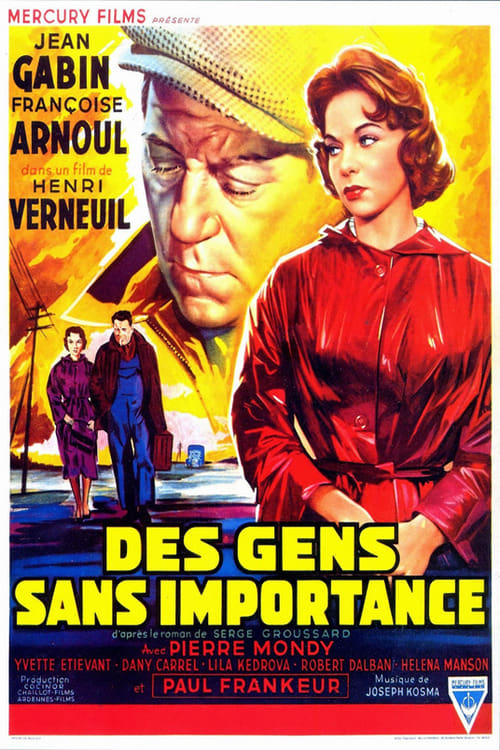
1956
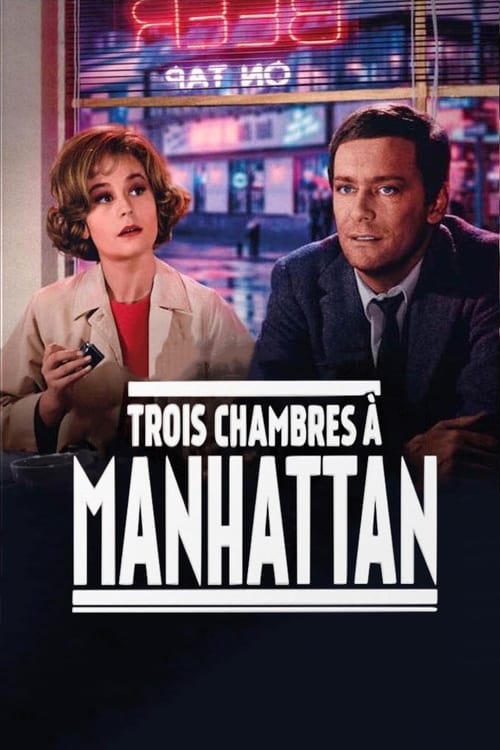
1965
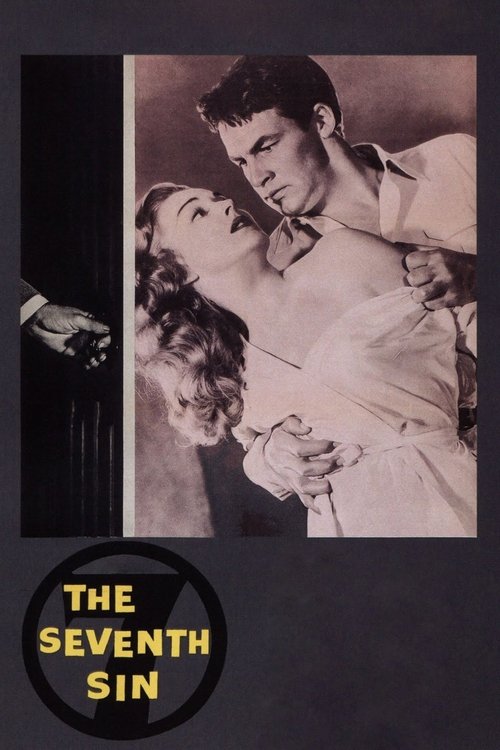
1957
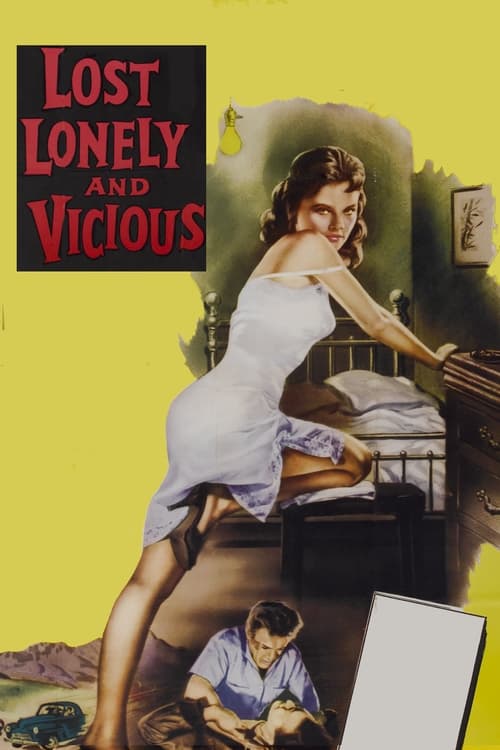
1958
1958
1958
1959
No reviews yet. Be the first to share your thoughts on this movie!
Use the rating form above to leave a star rating and optional review.