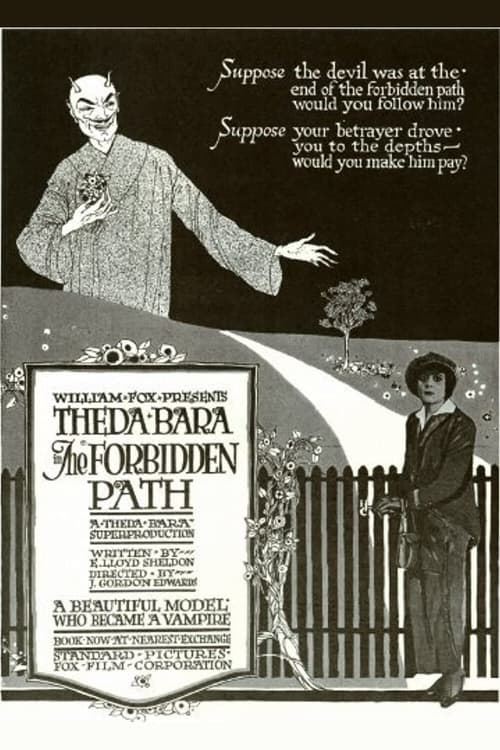
The Forbidden Path
1918
No user ratings available yet
No diversity score available
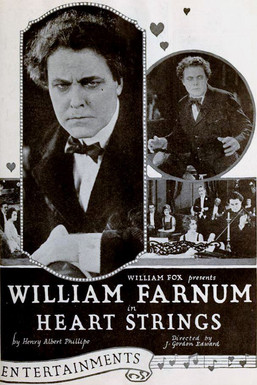
1920
PassedDirector
J. Gordon Edwards
Runtime
60 minutes
Average Rating
No ratings yetSynopsis
Pierre Fournel is a violinist living in a Canadian village with his sister, Gabrielle. Gabrielle is tricked into a mock marriage by Rouget, but she keeps the matter secret from her brother.
Overall Score
Minimal
Category Breakdown
LGBTQ+ Representation
The film focuses on a heterosexual romantic conflict involving a mock marriage. There is no evidence of queer identities or same-sex intimacy.
Gender Representation
Gabrielle is positioned as a vulnerable figure subject to deception by a male antagonist. The plot relies on traditional tropes of female victimization and domestic secrecy.
Racial & Ethnic Diversity
The characters suggest a Western or European lineage within a Canadian village. The narrative lacks evidence of multi-ethnic casting or intersectional complexity.
Religious & Cultural Diversity
The story functions as a traditional moral drama centered on social transgressions. It does not appear to challenge or deconstruct contemporary social norms.
Disability Representation
The narrative does not feature characters navigating physical, sensory, or neurodivergent experiences. The focus remains on romantic and criminal drama.
Strengths
Areas for Improvement
AI Analysis
Heart Strings is a product of the 1920s studio system, reflecting the demographic homogeneity and traditional narrative structures of the silent era. The plot centers on a violinist and his sister, revolving around a deception that reinforces period-specific social hierarchies rather than challenging them. The film lacks any meaningful representation of LGBTQ+ identities or disability. The central conflict is driven by a male antagonist's transgression against a female character, which aligns with early 20th-century cinematic archetypes of female vulnerability. Ultimately, the film offers a narrow view of the human experience, focusing on a homogeneous Western cast and conventional moral dilemmas without intersectional depth.
1918
1930
1944
1930
1923
1930
1927
1928
1926
1945
1931
1926
No reviews yet. Be the first to share your thoughts on this movie!
Use the rating form above to leave a star rating and optional review.