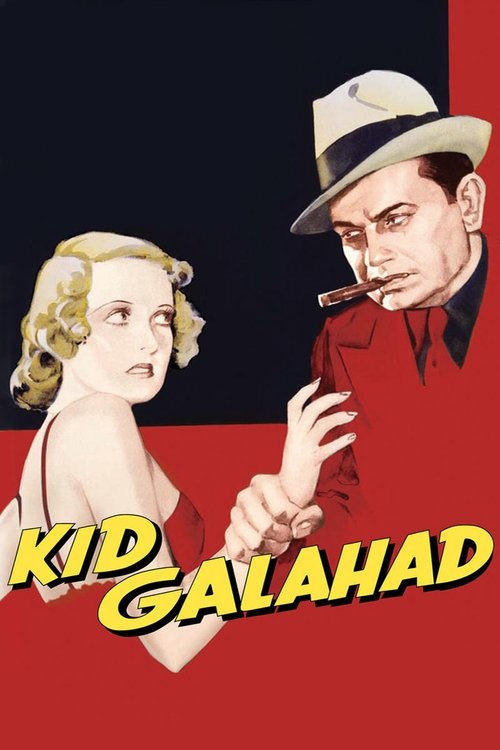
Kid Galahad
1937
No user ratings available yet
Representation score: 2.2 out of 10
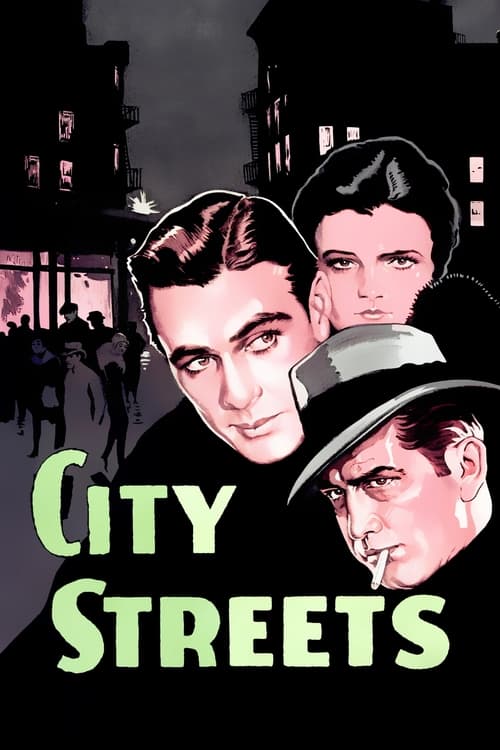
Representation Score
Minimal
1931
NRDirector
Rouben Mamoulian
Runtime
83 minutes
Average Rating
No ratings yetNew Showbiz Analysis
City Streets is a classic pre-Code crime drama that emphasizes psychological depth over demographic diversity. Its strength lies in its nuanced exploration of moral ambiguity, avoiding the simplistic storytelling common in early 1930s films. However, the film reflects the racial and gender norms of its time. The cast is predominantly white, and female influence is primarily through romantic relationships rather than independent power. Overall, the film's value is in its atmospheric portrayal of urban life and its examination of how socioeconomic pressures shape individual ethics.
Category Breakdown
The film focuses on a traditional romance between the main character and the mobster's daughter. There are no representations of LGBTQ+ identities or critiques of heteronormativity.
Joan Bennett's character significantly influences the protagonist's involvement in bootlegging. She has considerable impact through her romantic involvement, but her power is tied to her romantic influence.
The cast is predominantly white, reflecting the limitations of 1931 cinema. The film does not challenge the Anglo-Saxon casting norms and lacks diverse representation.
The film explores moral ambiguity and the complexity of redemption within a tough urban setting. It focuses on personal struggles without critiquing institutional structures.
There are no significant portrayals of physical or cognitive disabilities used as central plot devices or character traits.
Present on Screen
Limited or Absent
Official Synopsis
A mobster's daughter leads her boyfriend from the circus into bootlegging.
1937
1939

1934

1932
1933
1937

1932
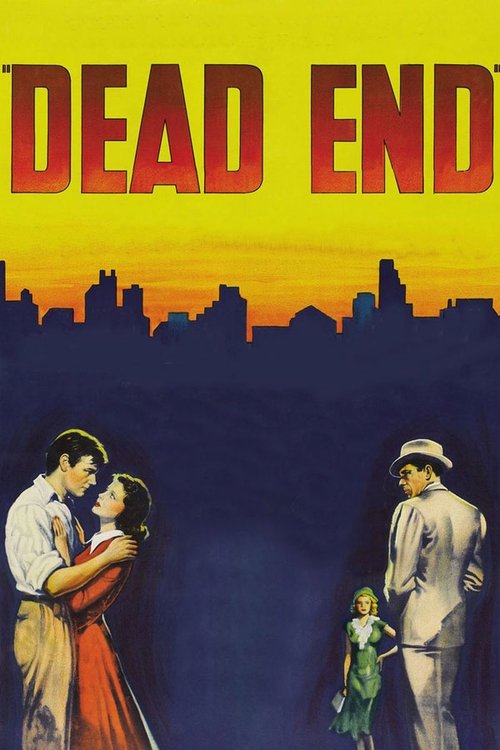
1937
No reviews yet. Be the first to share your thoughts on this movie!
Use the rating form above to leave a star rating and optional review.