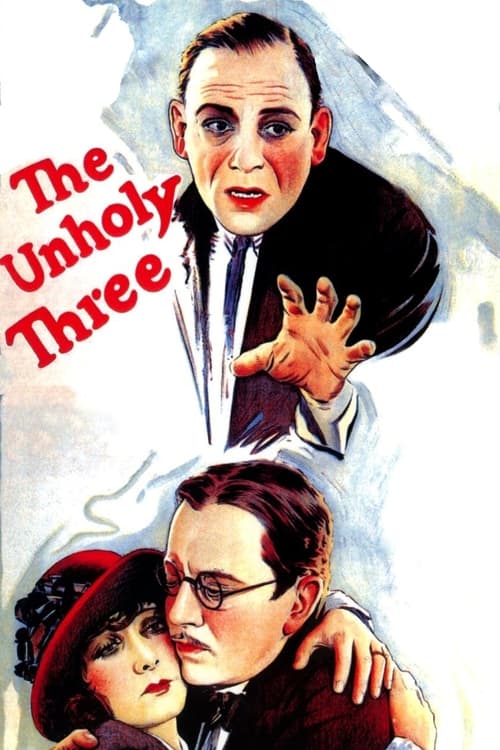
The Unholy Three
1925
No user ratings available yet
Diversity score: 2.5 out of 10
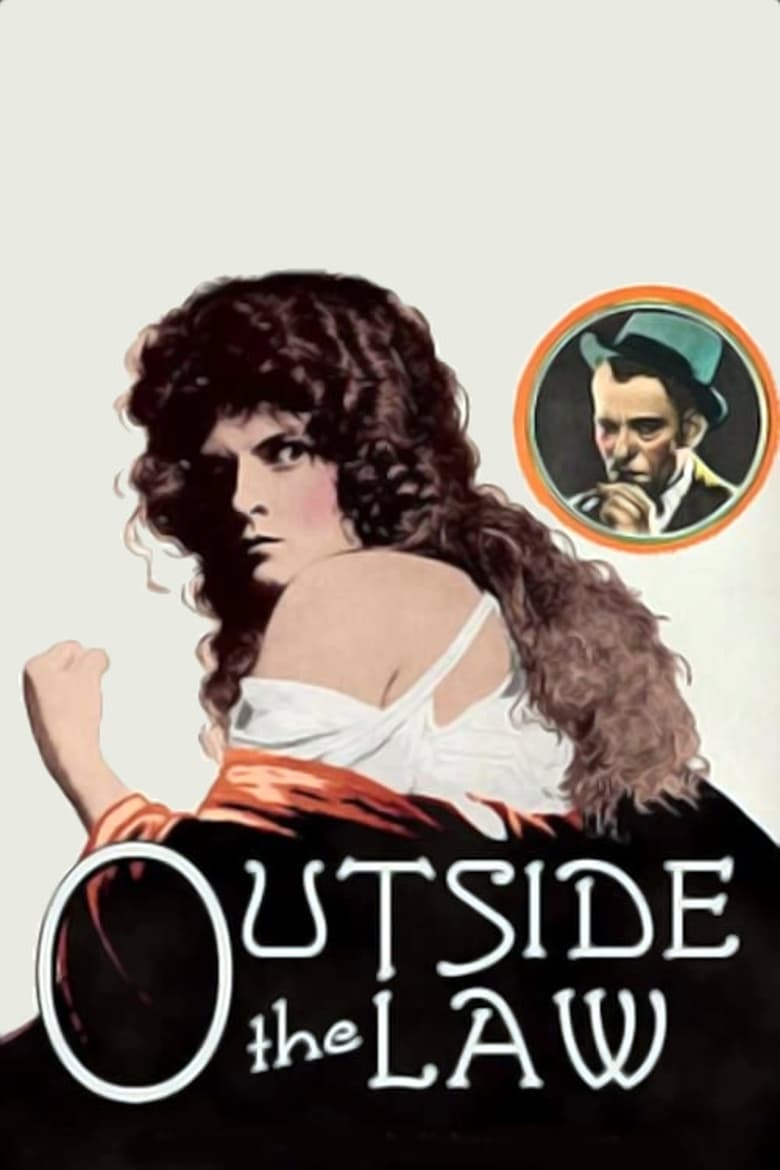
1921
PassedDirector
Tod Browning
Runtime
76 minutes
Average Rating
No ratings yetSynopsis
Silent Madden and his daughter Molly have left the criminal underworld of San Francisco thanks to the wise teachings of Chang Low, a Confucian master. But the evil Black Mike Sylva is determined to frame Madden to avenge a mistake from the past…
Overall Score
Fair
Category Breakdown
LGBTQ+ Representation
The film lacks any evidence of non-cisnormative identities or same-sex intimacy. It adheres to the traditional romantic and familial structures common in 1921 crime dramas.
Gender Representation
The story focuses on a father-daughter dynamic and a male-driven conflict between Madden and Sylva. There is no indication of women holding positions of structural or intellectual superiority.
Racial & Ethnic Diversity
The character Chang Low provides a notable departure from Anglo-centric narratives. His role as a Confucian master introduces non-Western perspectives into the film's moral framework.
Religious & Cultural Diversity
By incorporating Eastern philosophical guidance, the film subtly challenges the dominance of Western religious morality. However, the plot remains rooted in standard crime drama tropes.
Disability Representation
There is no documented evidence regarding the portrayal of physical or neurodivergent disabilities in this production.
Strengths
Areas for Improvement
AI Analysis
Outside the Law is a period crime drama that largely adheres to the social hierarchies of the early 1920s. The narrative is driven by male protagonists and traditional familial roles, offering little in the way of gender subversion or queer representation. However, the film distinguishes itself through the inclusion of Chang Low. By utilizing a Confucian master to guide the protagonist away from crime, the film integrates non-Western intellectual agency into its moral landscape. Ultimately, the film sits between standard genre tropes and early attempts at cross-cultural integration, providing a brief disruption of Western moral hegemony without achieving deep intersectional complexity.
1925
1950
1926
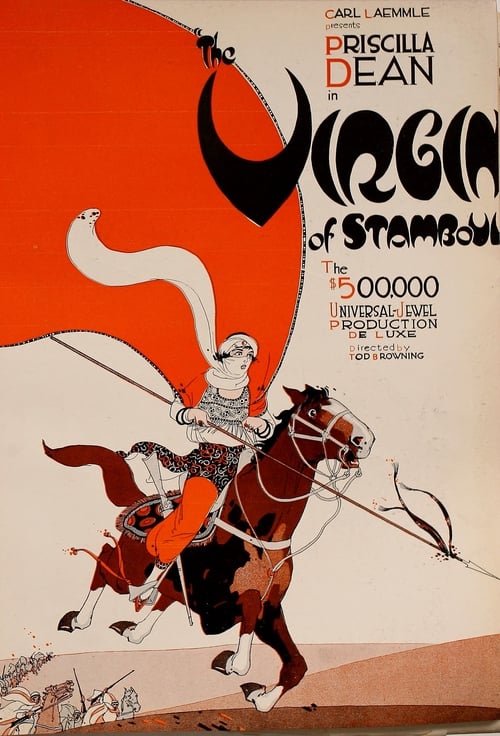
1920
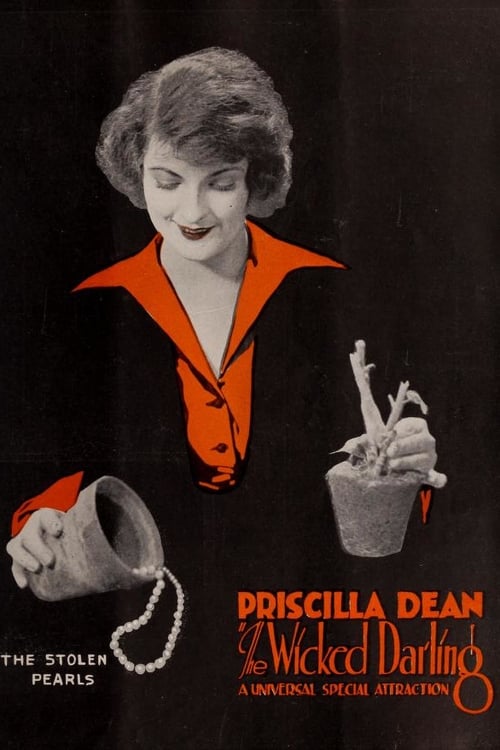
1919
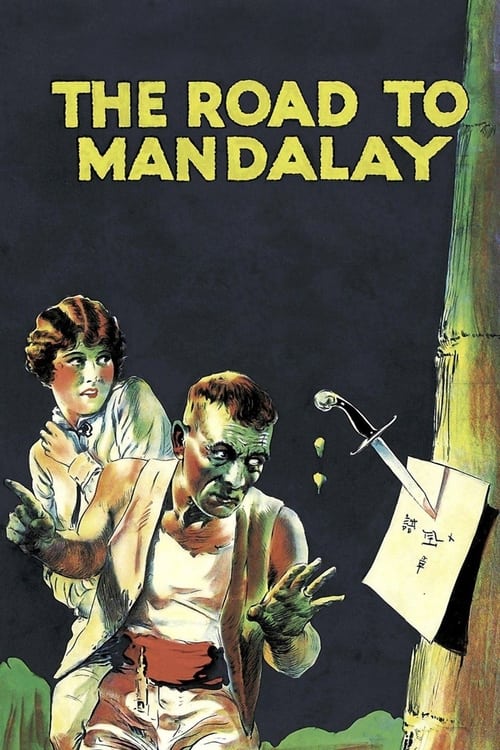
1926
No reviews yet. Be the first to share your thoughts on this movie!
Use the rating form above to leave a star rating and optional review.