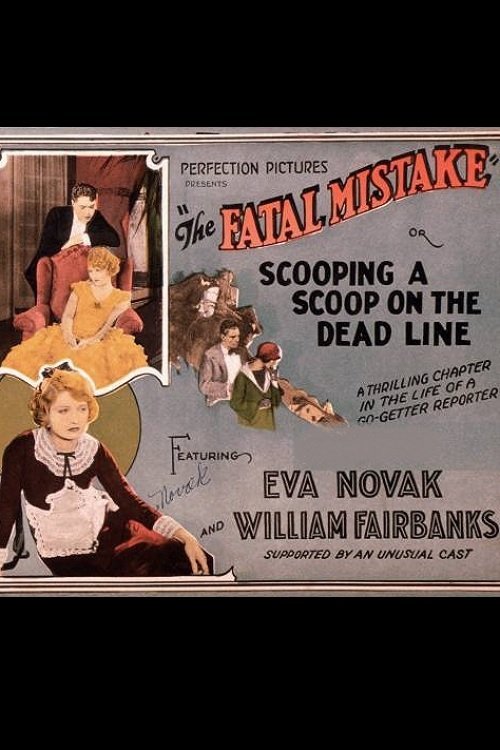
The Fatal Mistake
1924
No user ratings available yet
Representation score: 0.8 out of 10
No Poster Available
Representation Score
Minimal
1916
PassedDirector
James A. Fitzgerald
Runtime
50 minutes
Average Rating
No ratings yetNew Showbiz Analysis
The film adheres strictly to the social hierarchies and norms of the 1916 cinematic landscape. It operates within a traditional framework that lacks complexity or intentional subversion of established norms. The narrative focuses on crime and romance through a moralistic lens, prioritizing singular moralities and social stability. Character roles are largely confined to conventional social archetypes.
Category Breakdown
The film does not show any non-binary or LGBTQ+ identities. It follows the assumption that everyone is straight and cisgender, which was common in 1916 crime dramas.
Female characters likely play passive roles, such as victims or domestic motivators. There is no indication of complex portrayals of masculinity or subverted gender hierarchies.
The production reflects the homogeneous, Anglo-centric casting norms of early American cinema. No characters of color with significant narrative roles are shown.
The narrative likely follows a moralistic framework focused on social stability. It prioritizes conventional social order over the critique of Western institutions.
There is no information available regarding the depiction of physical or neurodivergent disabilities in this work.
Present on Screen
Limited or Absent
Official Synopsis
Silent crime drama about the dangers of the title situation.
1924
1920
1927
1926
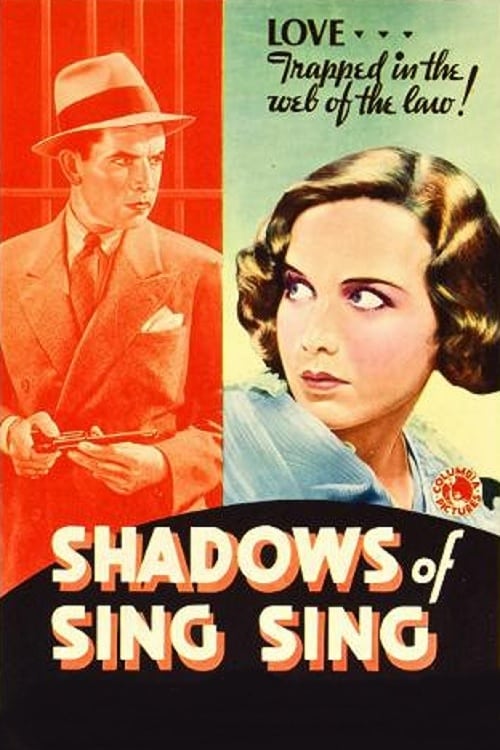
1933
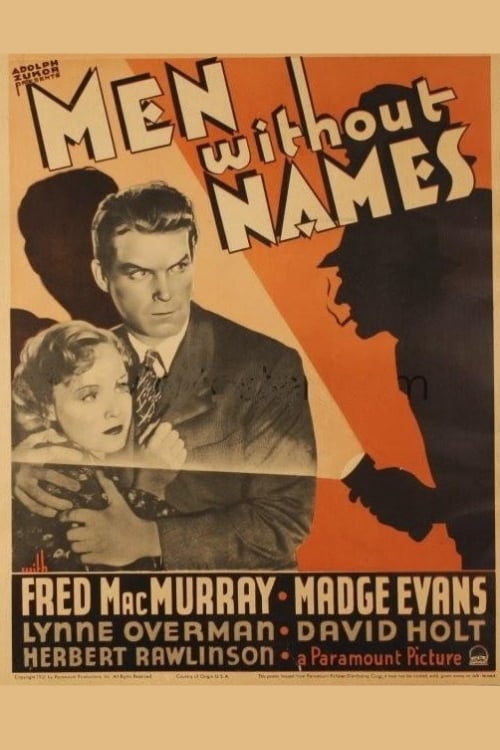
1935
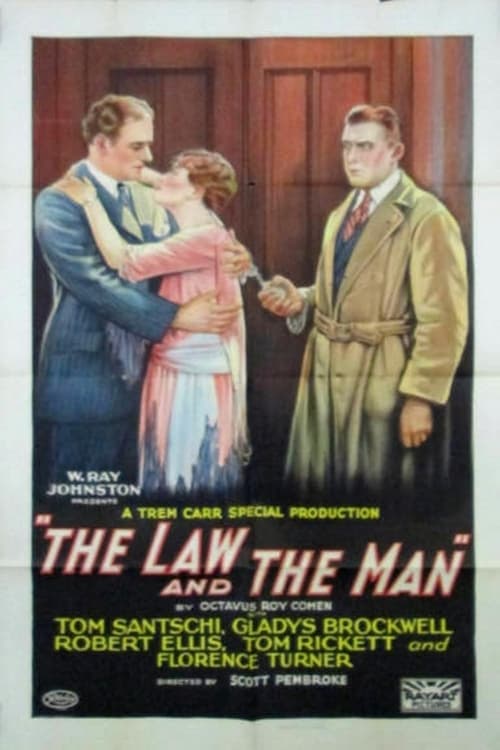
1928
1927
No reviews yet. Be the first to share your thoughts on this movie!
Use the rating form above to leave a star rating and optional review.