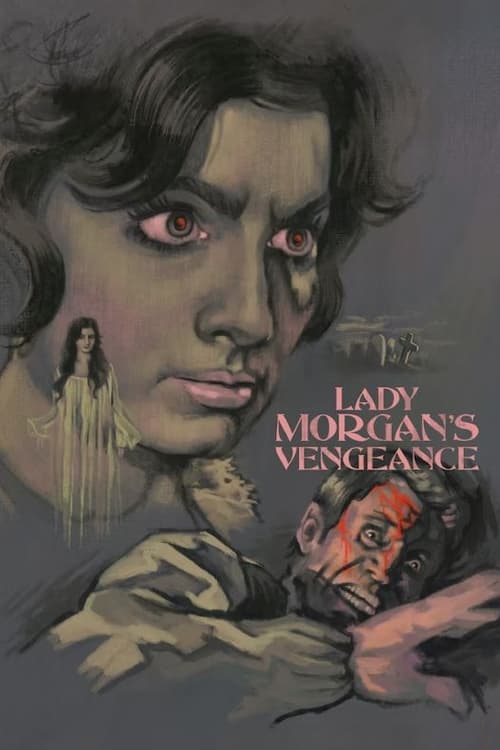
Lady Morgan's Vengeance
1965
No user ratings available yet
Diversity score: 2.8 out of 10
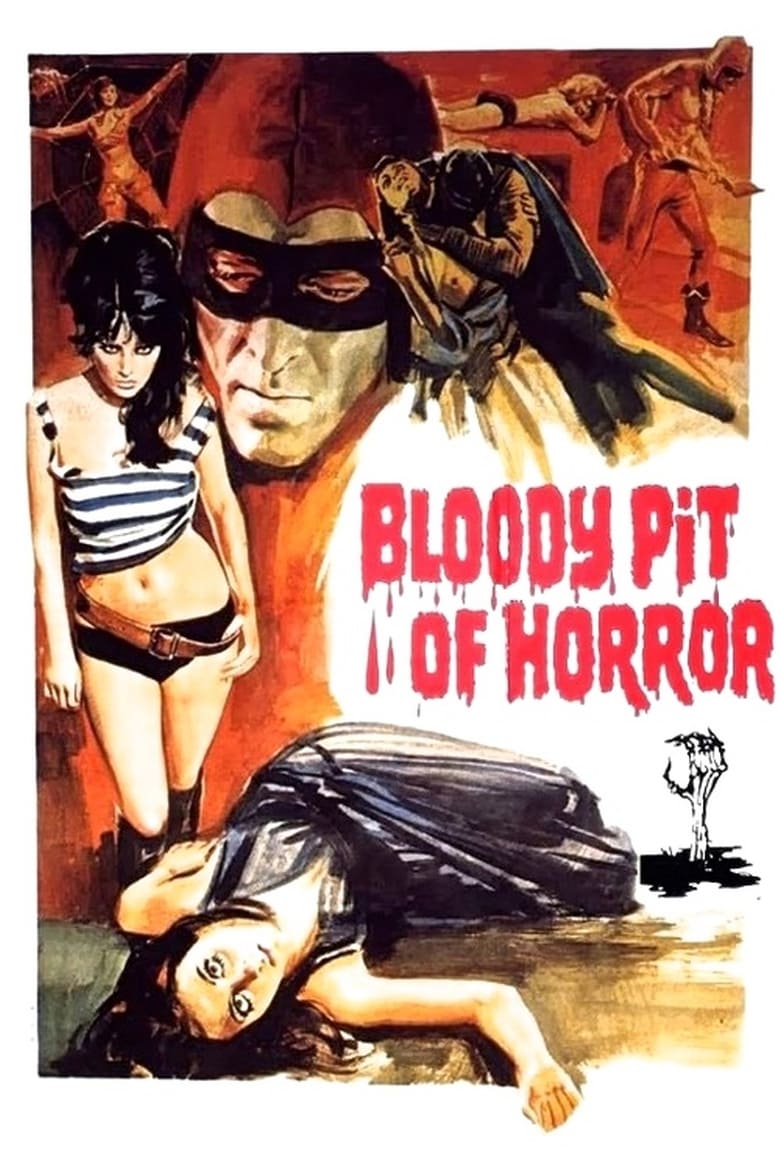
1965
UnratedDirector
Massimo Pupillo
Runtime
87 minutes
Average Rating
No ratings yetSynopsis
A photographer and his models go to an old, abandoned castle for a photo shoot. Unbeknownst to them, the castle is inhabited by a lunatic who believes himself to be the reincarnated spirit of a 17th-century executioner whose job it is to protect the castle against intruders.
Overall Score
Limited
Category Breakdown
LGBTQ+ Representation
The film lacks any visible LGBTQ+ characters or non-heteronormative expressions. It adheres strictly to the standard gender binaries found in 1960s exploitation cinema.
Gender Representation
Narrative focus leans heavily toward hyper-masculine combat and physical dominance. Female characters typically serve passive or decorative roles rather than driving the plot.
Racial & Ethnic Diversity
Casting remains largely homogeneous within its Roman setting. The production reflects the standard Eurocentric casting practices typical of 1960s Italian cinema.
Religious & Cultural Diversity
The story operates within a framework of institutionalized brutality and historical hierarchy. It lacks any significant emphasis on secularism or the deconstruction of traditional morality.
Disability Representation
Physical trauma and bodily injury function primarily as elements of horror spectacle. Characters with disabilities lack agency, serving instead as plot devices to heighten visceral stakes.
Strengths
Areas for Improvement
AI Analysis
Bloody Pit of Horror is a product of its era, prioritizing genre-driven spectacle and physical conflict over nuanced social representation. The film relies on established tropes of the Italian exploitation and peplum genres, focusing on historical combat and visceral horror. The narrative architecture reinforces traditional hierarchies of power and gender. Rather than challenging social norms, the film utilizes physical coercion and hyper-masculinity to drive its central themes of combat and survival.
1965
1967
1982
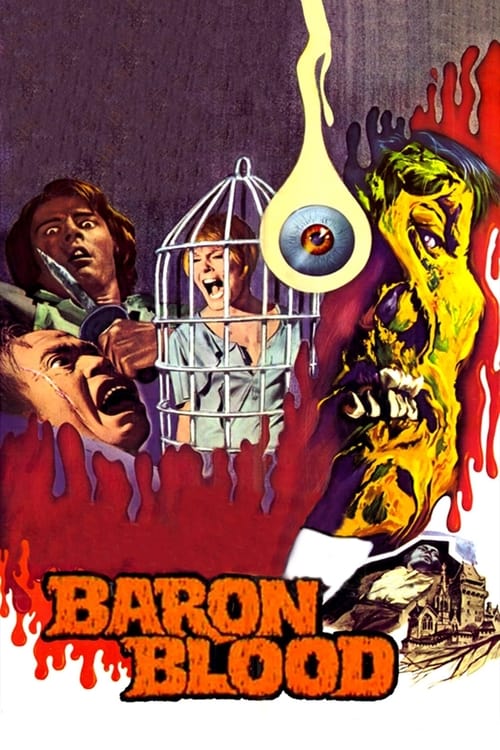
1972
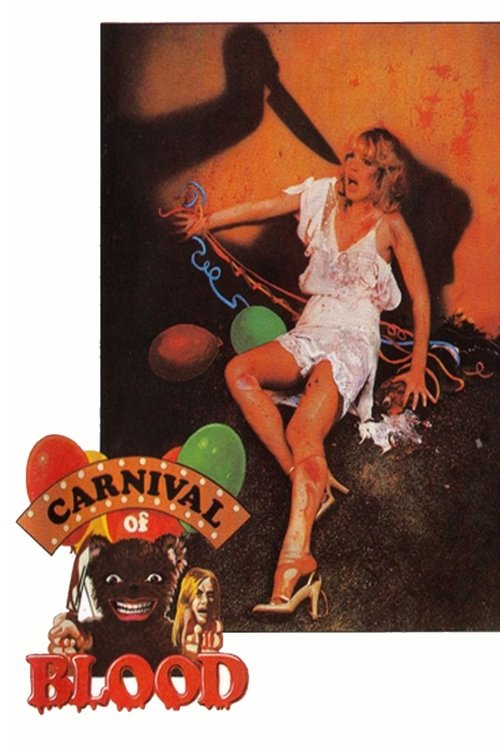
1970
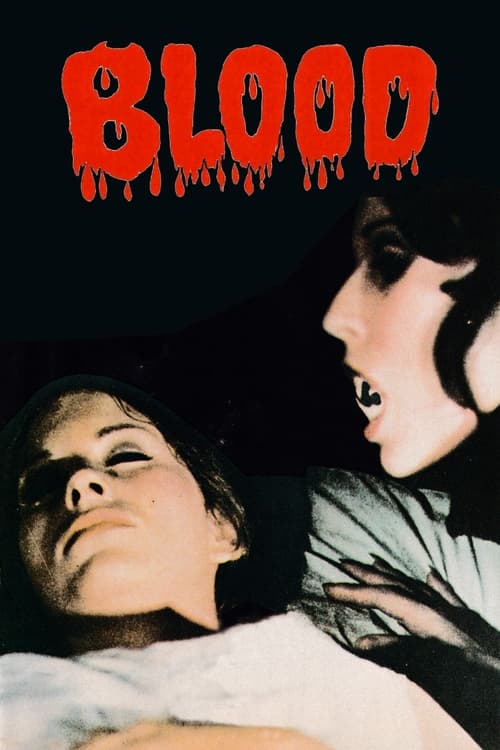
1973
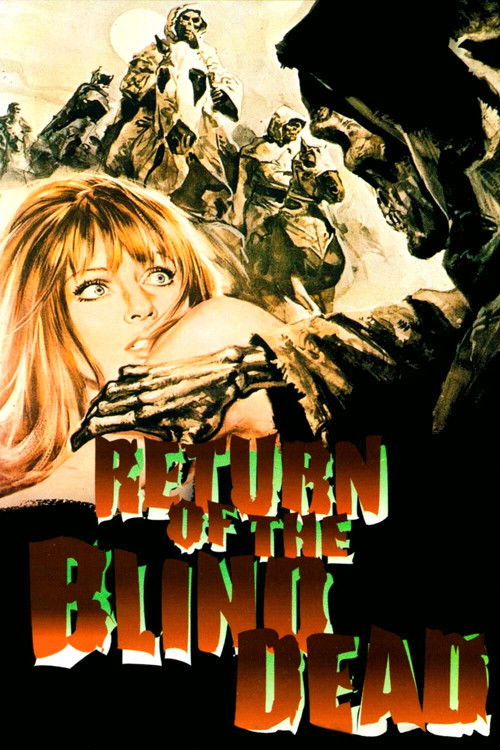
1973
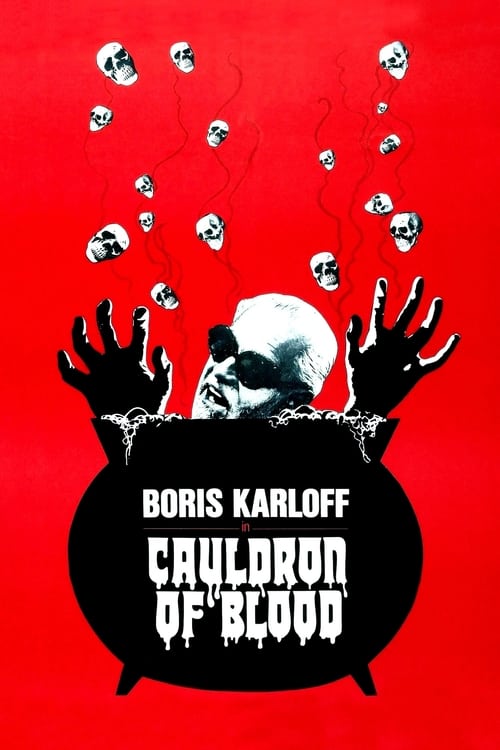
1970
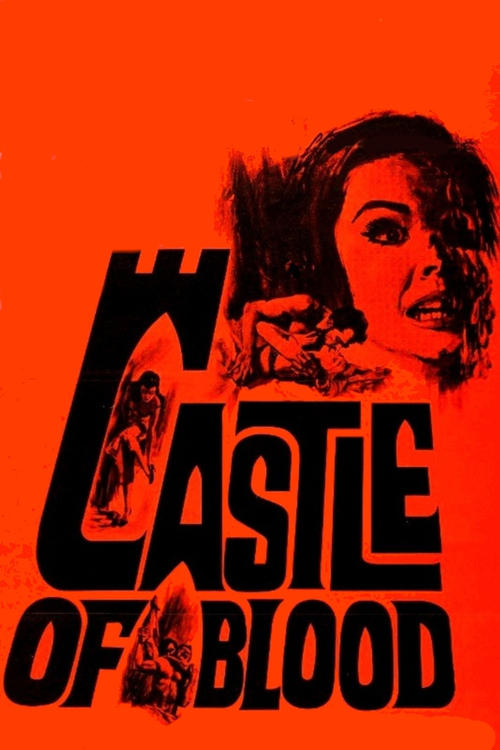
1964
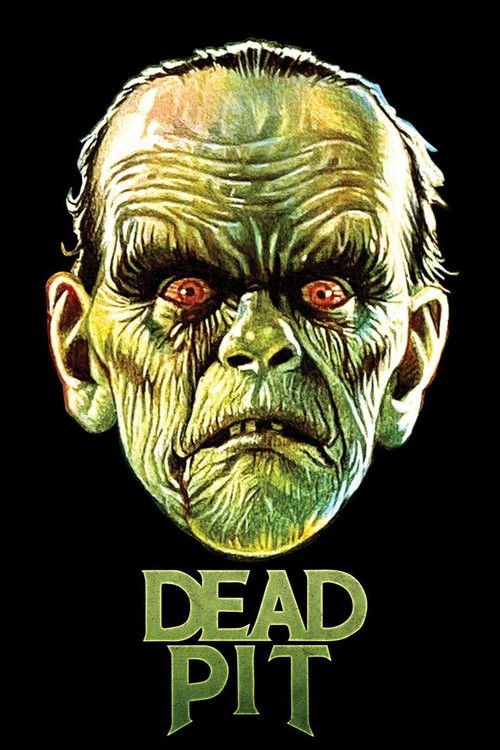
1989
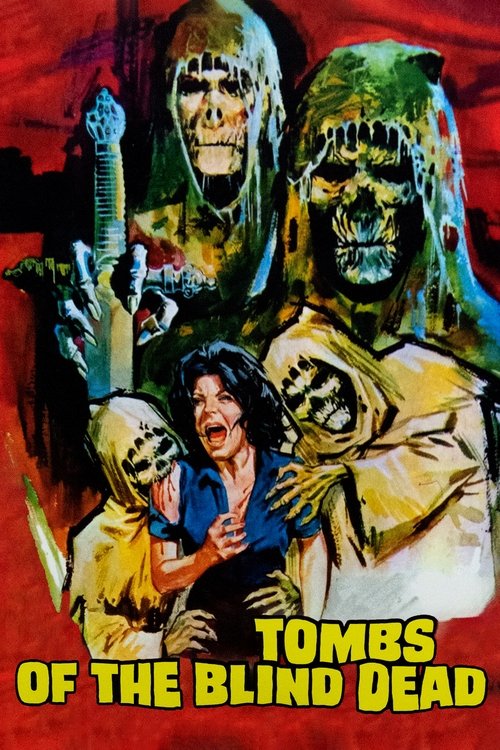
1972
1970
No reviews yet. Be the first to share your thoughts on this movie!
Use the rating form above to leave a star rating and optional review.