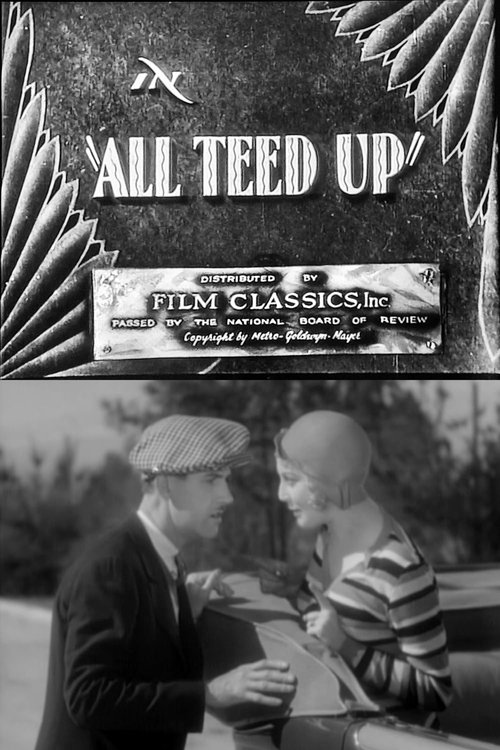
All Teed Up
1930
No user ratings available yet
Diversity score: 2.0 out of 10
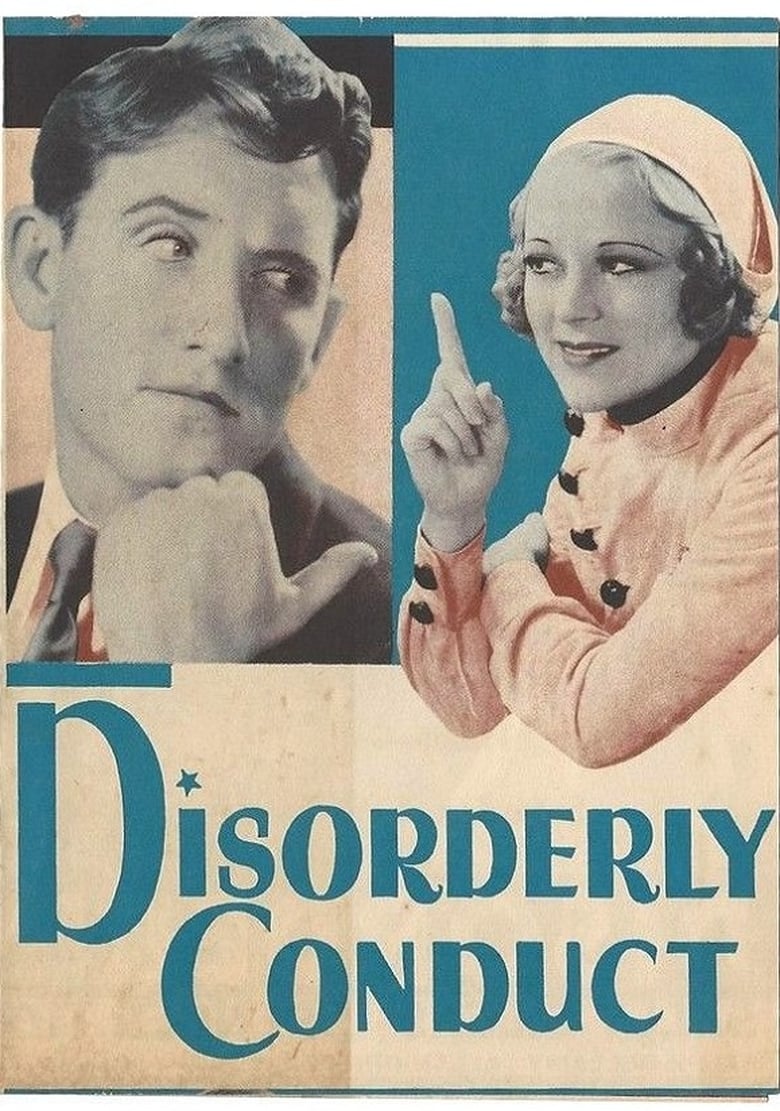
1932
ApprovedDirector
John W. Considine Jr.
Runtime
82 minutes
Average Rating
No ratings yetSynopsis
When motorcycle cop Dick Fay gives a ticket to Phyllis Crawford, her father's graft-fed influence leads to his demotion to foot patrolman.
Overall Score
Limited
Category Breakdown
LGBTQ+ Representation
The film lacks any depiction of non-cisnormative identities. The narrative focuses entirely on a conflict between a municipal officer and a civilian.
Gender Representation
The story centers on a male protagonist whose career is impacted by a female character. Her role serves primarily as a catalyst for his professional demotion.
Racial & Ethnic Diversity
The film reflects the demographic homogeneity of the early 1930s. It depicts white, Anglo-Saxon social structures as the default setting.
Religious & Cultural Diversity
The plot critiques local political graft and institutional corruption. It functions as a standard social comedy rather than a systemic critique of broader institutions.
Disability Representation
There is no information regarding the inclusion of characters with physical or neurodivergent disabilities.
Strengths
Areas for Improvement
AI Analysis
Disorderly Conduct is a product of the early studio era, adhering to the rigid social hierarchies and genre conventions of 1932. The narrative is driven by a localized conflict involving professional demotion and political corruption, offering little room for diverse perspectives. The film lacks intersectional representation, focusing instead on a traditional power struggle. The characters and themes reflect the era's standard of homogeneity, prioritizing a narrow social lens over broader cultural or identity-based exploration.
1930
1934
1938
1926
1933
1936
1932
1929
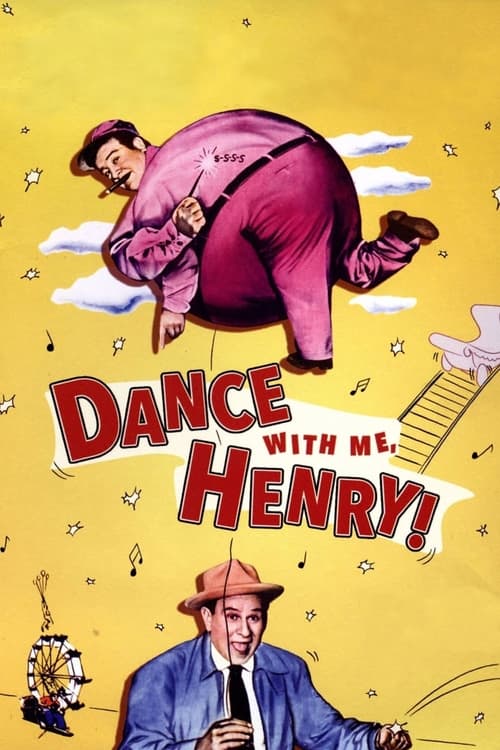
1956
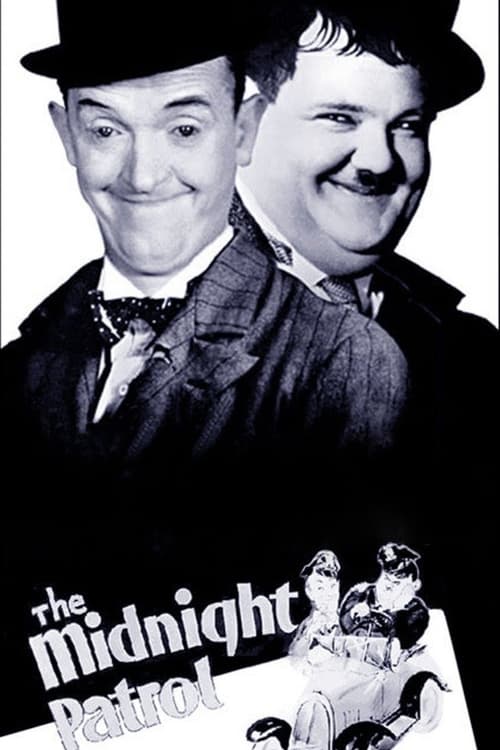
1933
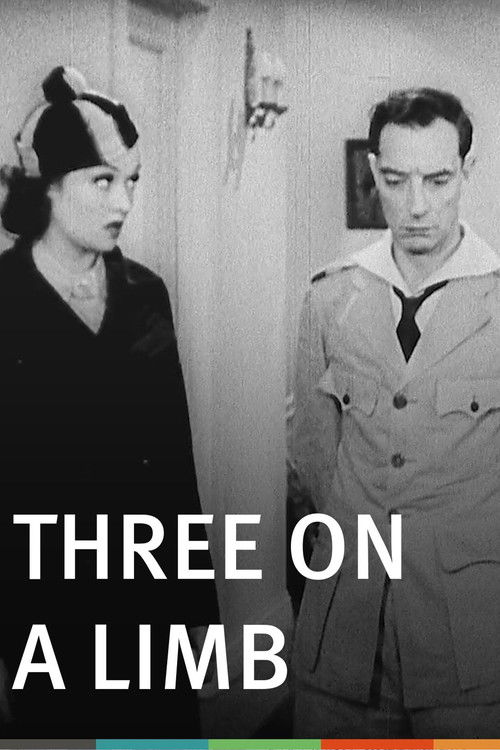
1936
1935
No reviews yet. Be the first to share your thoughts on this movie!
Use the rating form above to leave a star rating and optional review.