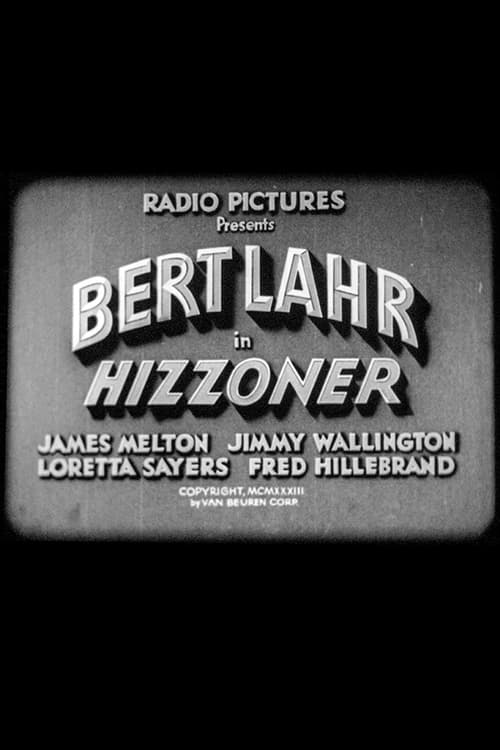
Hizzoner
1933
No user ratings available yet
Representation score: 3.2 out of 10
Representation Score
Minimal
1933
PassedDirector
Mark Sandrich
Runtime
20 minutes
Average Rating
No ratings yetNew Showbiz Analysis
This 1933 short is a product of its era, prioritizing vaudevillian performance and physical farce over social depth. The narrative relies on established comedic clichés, such as motorcycle chases and linguistic riffs, to drive the plot. While the film features gender non-conformity through a character in a dress, it uses this for slapstick effect rather than exploring identity. The casting and themes reflect the homogeneous, escapist standards of early sound-era Hollywood. Ultimately, the work functions as a vehicle for rhythmic comedy and situational absurdity. It lacks the depth needed to challenge the social hierarchies of the time.
Category Breakdown
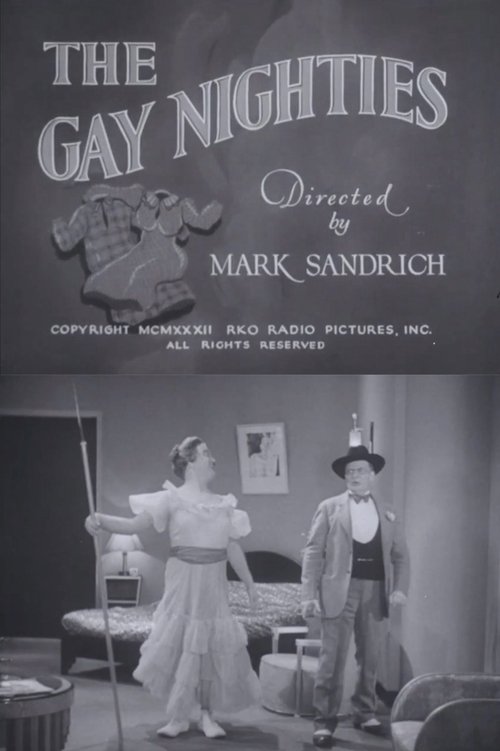
Paul McCullough spends much of the film in a dress, which seems to serve as a comedic element for slapstick rather than a meaningful depiction of queer identity.
Female characters are visible through their roles in nightgowns. However, the film relies on traditional farce and gendered clothing rather than challenging hierarchies or showcasing female intellect.
The cast reflects the homogeneous studio norms of the early 1930s. There is no mention of non-white characters or any indication of diverse casting.
A political frame-up serves as a plot device, but the film prioritizes slapstick over social critique. It focuses on traditional entertainment values rather than deconstructing social structures.
A nearsighted detective is mentioned, but this functions as a tool for situational irony. It does not offer a meaningful exploration of sensory disability.
Present on Screen
Limited or Absent
Official Synopsis
This short features two women who run around in their nighties. Paul McCullough spends most of the picture in a dress, and Bobby Clark does an extended riff on the word "Alright!" which Lou Costello later stole verbatim. There is a political frameup, a nearsighted hotel house detective, and the ever-popular upstairs motorcycle chase.
1933
1929
1930
1931
1932
1933
1929
1934
No reviews yet. Be the first to share your thoughts on this movie!
Use the rating form above to leave a star rating and optional review.