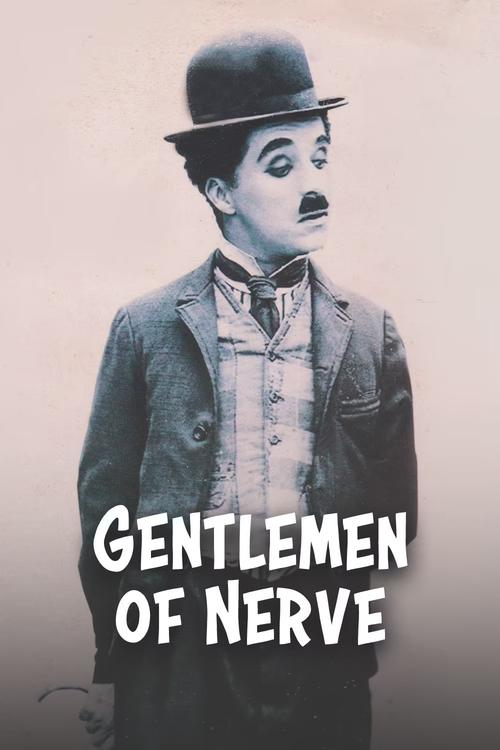
Gentlemen of Nerve
1914
No user ratings available yet
Representation score: 0.4 out of 10
Representation Score
Minimal
1919
NRDirector
Alfred J. Goulding
Runtime
14 minutes
Average Rating
No ratings yetNew Showbiz Analysis
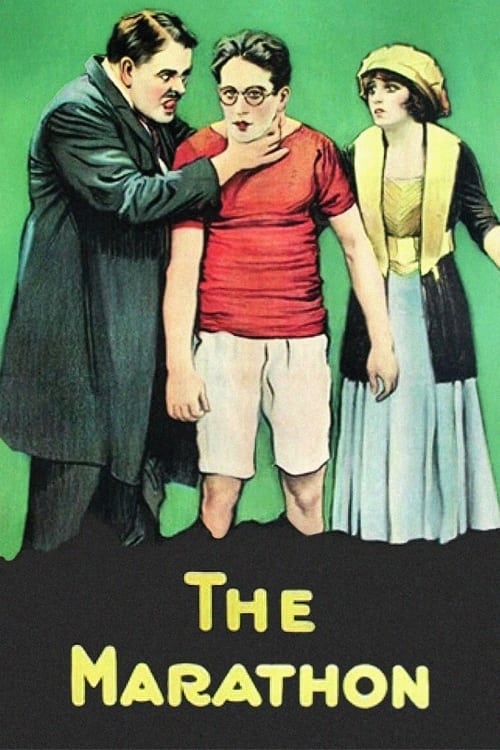
The Marathon is a typical comedic short from its era, relying on slapstick humor and situational absurdity. It does not engage with complex sociopolitical themes or diverse identities. Instead, it focuses on physical comedy and traditional courtship dynamics, reflecting the social norms of the time. The film's structure is based on conventional social hierarchies. The comedic tension arises from the conflict between individual desires and established authorities, such as the police and family figures, rather than challenging these roles. Overall, the film serves as a foundational example of early silent cinema, emphasizing physical comedy and traditional courtship over more progressive narrative structures or diverse representation.
Category Breakdown
The film follows a traditional romantic pursuit storyline common for its time. It does not address LGBTQ+ identities or challenge assumptions about heterosexual relationships.
The story relies on early 20th century gender stereotypes, featuring a male character pursuing a female interest. This setup reinforces traditional gender roles where men pursue and protect women.
Reflecting the homogenous casting practices of 1919, the film likely adheres to Anglo-centric norms. It offers little to no representation of diverse racial backgrounds or multi-layered identities.
The story operates within a framework of traditional Western social order and institutions. It uses conflicts with law enforcement and family authority for physical comedy.
There is no indication in the narrative or historical records that the film includes characters with visible or invisible disabilities.
Present on Screen
Limited or Absent
Official Synopsis
Boy trying to impress girl, gets chased by her father and the police right into an ongoing marathon.
1914
1927
1915
1926
1919

1915
1927
1916
No reviews yet. Be the first to share your thoughts on this movie!
Use the rating form above to leave a star rating and optional review.