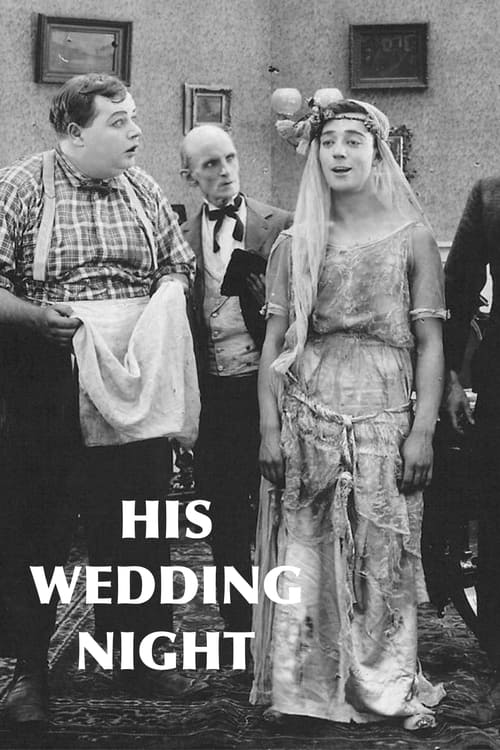
His Wedding Night
1917
No user ratings available yet
Representation score: 1.4 out of 10
Representation Score
Minimal
1917
NRDirector
Roscoe Arbuckle
Runtime
25 minutes
Average Rating
No ratings yetNew Showbiz Analysis
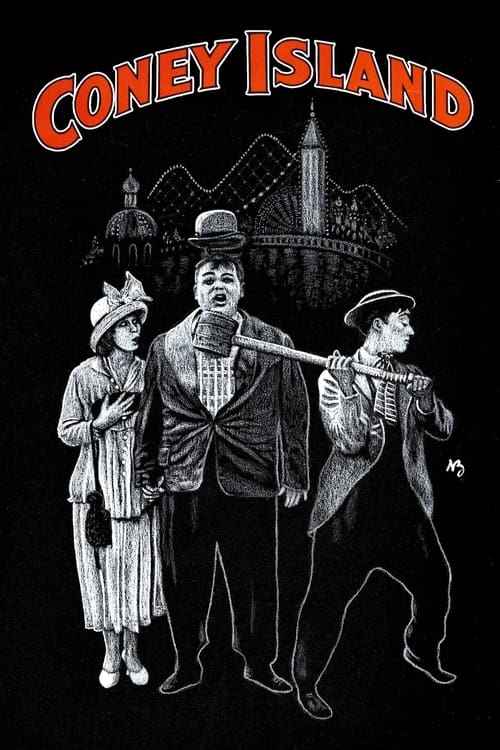
Coney Island is a typical comedy from the early 20th century, emphasizing physical humor over social issues. The narrative relies heavily on established archetypes from the era, particularly regarding gender and romance. The film lacks visible representation of racial or ethnic diversity, sticking to a narrow cultural framework. It adheres to the social hierarchies of its time without challenging them. While historically significant for the genre, the film offers little in the way of progressive representation or depth, focusing instead on conventional comedic clichés.
Category Breakdown
The film focuses on heterosexual competition and does not include any LGBTQ+ identities or same-sex relationships.
The film relies on traditional gender roles from the silent era, featuring a controlling wife and treating the female lead as an object of desire.
The cast appears to be homogeneous, with no indication of diverse racial or ethnic backgrounds. It reflects the mainstream output typical of 1917.
The plot follows standard comedic structures, lacking any critique of traditional institutions or complex cultural perspectives.
There is no documentation regarding the portrayal of physical disabilities or neurodivergence in this work.
Present on Screen
Limited or Absent
Official Synopsis
Arbuckle escapes the watch of his domineering wife and heads for Coney Island. Keaton arrives that same day with his attractive, and rather easy, girlfriend, who is immediately stolen from him by St. John.
1917

1928
1915
1933
1917
1919
1926
1914
No reviews yet. Be the first to share your thoughts on this movie!
Use the rating form above to leave a star rating and optional review.