Heather and Yon
1944
No user ratings available yet
Representation score: 1.8 out of 10
Representation Score
Minimal
1937
ApprovedDirector
Charles Lamont
Runtime
18 minutes
Average Rating
No ratings yetNew Showbiz Analysis
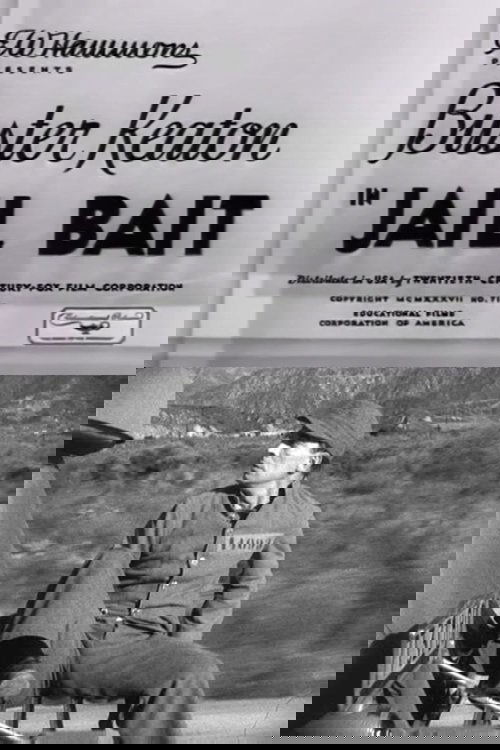
Jail Bait is a conventional 1930s comedy that adheres to the social and representational norms of its time. The plot centers on male-driven deception and camaraderie, offering little space for diverse perspectives. The film follows the era's standard of depicting Western, Anglo-Saxon social norms through homogeneous casting. It does not aim to disrupt traditional hierarchies or provide meaningful multi-layered representation. Ultimately, the work serves as a typical comedy of its era, reinforcing established cultural norms without challenging them.
Category Breakdown
The film does not include any LGBTQ+ characters or non-straight relationships. It relies on traditional comedic elements that reinforce the assumption that everyone is straight.
The story focuses on male-driven actions and friendship between Buster and a reporter. Women are not shown to have significant intellectual or structural influence.
The cast reflects the homogeneous standards of the 1930s, with no evidence of diverse casting to challenge Anglo-Saxon social norms.
The plot uses deception and criminal posing for comedic effect without critiquing traditional family, religious, or Western values.
There is no evidence of characters with visible or invisible disabilities within the film.
Present on Screen
Limited or Absent
Official Synopsis
Buster agrees to pose as a murderer to throw off the police while his room mate, a reporter, searches for the real killer.
1944
1938

1939

1939

1945
1940
1927
1931
No reviews yet. Be the first to share your thoughts on this movie!
Use the rating form above to leave a star rating and optional review.