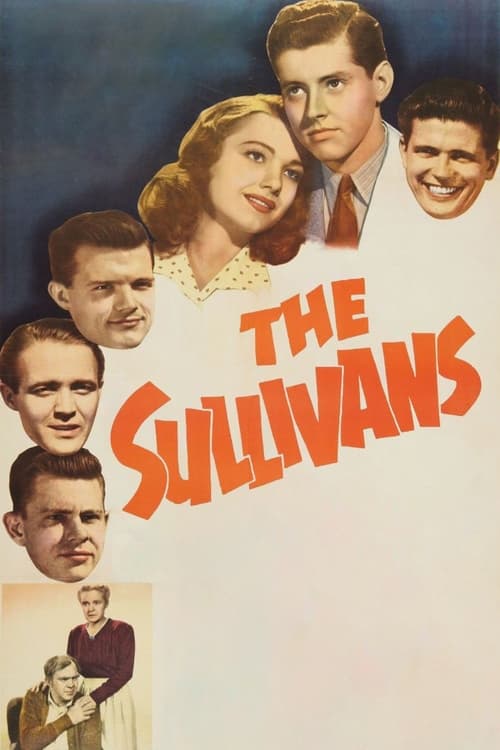
The Fighting Sullivans
1944
No user ratings available yet
Representation score: 0.8 out of 10
Representation Score
Minimal
1940
ApprovedDirector
Archie Mayo
Runtime
89 minutes
Average Rating
No ratings yetNew Showbiz Analysis
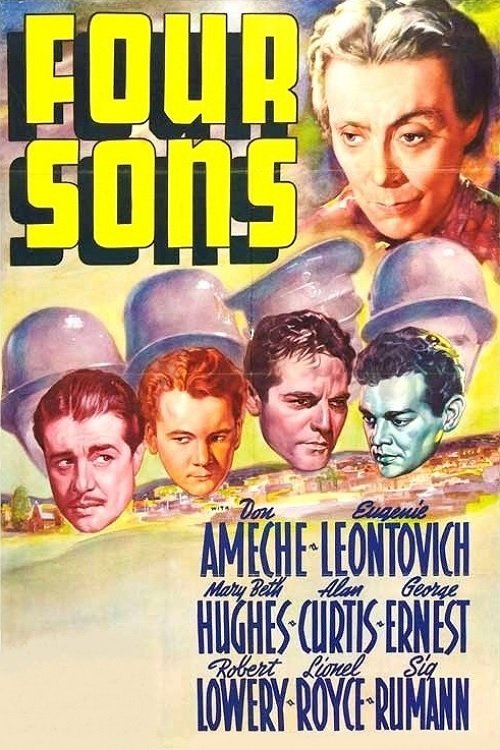
Four Sons is a period tragedy that prioritizes the domestic fallout of the Napoleonic Wars over battlefield spectacle. It finds its strength in exploring the emotional endurance of a mother facing the conscription of her sons, offering a nuanced look at the human cost of conflict. However, the film is a product of its 1940s era, resulting in a highly homogeneous cast and a lack of multi-layered complexity. The narrative adheres to traditionalist conventions, focusing on established social hierarchies and gender archetypes. Ultimately, while the film provides meaningful female-centric emotional depth, it lacks the diverse casting and systemic subversion necessary for a modern progressive score.
Category Breakdown
The film does not include any identifiable LGBTQ+ characters or non-cisgender identities. All character dynamics follow traditional family and romantic structures.
The story focuses on a mother's resilience and psychological struggles. However, her role is limited to the archetype of the suffering matriarch.
The cast is ethnically uniform, reflecting the historical setting of a German village. There are no perspectives that highlight multiple ethnicities.
The narrative criticizes imperialistic expansion by showing how war disrupts family stability. It operates within a framework of traditional morality and social order.
There are no prominent depictions of physical, sensory, or neurodivergent disabilities. Characters are defined by physical vitality or combat trauma rather than lived disability.
Present on Screen
Limited or Absent
Official Synopsis
Four Sons is a 1940 film directed by Archie Mayo. It stars Don Ameche and Eugenie Leontovich. It is a remake of the 1928 film of the same name.
1944

1939

1940

1939

1942

2006
1956
2008
No reviews yet. Be the first to share your thoughts on this movie!
Use the rating form above to leave a star rating and optional review.