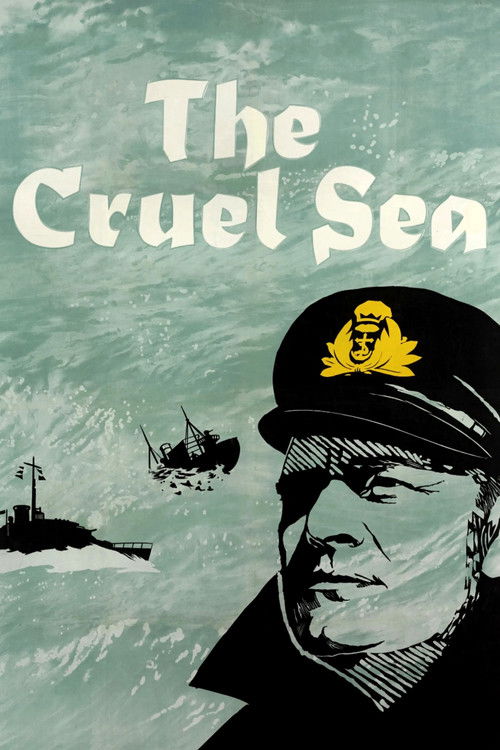
The Cruel Sea
1953
No user ratings available yet
Representation score: 3.0 out of 10
Representation Score
Limited
1975
NRDirector
Stuart Cooper
Runtime
83 minutes
Average Rating
No ratings yetNew Showbiz Analysis
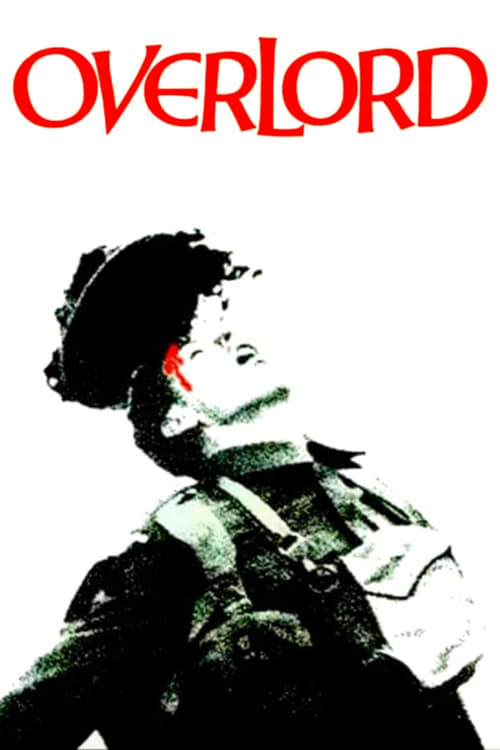
Overlord is a critical look at the heroic war narrative, emphasizing psychological realism over traditional patriotism. It uses fragmented sequences to highlight the individual's fragmented psyche rather than glorifying the state. Though the film lacks diverse representation, it effectively deconstructs the heroic war myth by focusing on the psychological toll of war. It shifts the emphasis from institutional triumph to personal suffering. Overall, the film is a powerful critique of the impersonal system that crushes individuals, but it remains limited by its narrow focus on a specific historical context.
Category Breakdown
The film does not include any LGBTQ+ characters or representations of non-straight relationships. It focuses solely on traditional heterosexual relationships.
The story centers around male soldiers and their experiences in combat. Women are mostly absent or only mentioned briefly, reinforcing traditional gender roles.
The cast is predominantly white, reflecting the historical context of the 1940s British army. It lacks diverse ethnic representation.
The film criticizes Western institutions by showing the military as a dehumanizing force. It highlights the soldier's personal struggle over national pride.
The film does not focus on characters with disabilities. However, it addresses the psychological impact of war, treating trauma as a universal issue rather than exploring specific conditions.
Present on Screen
Limited or Absent
Official Synopsis
During World War II, a young man is called up and, with an increasing sense of foreboding, undertakes his army training ready for D-Day, June 6th, 1944.
1953
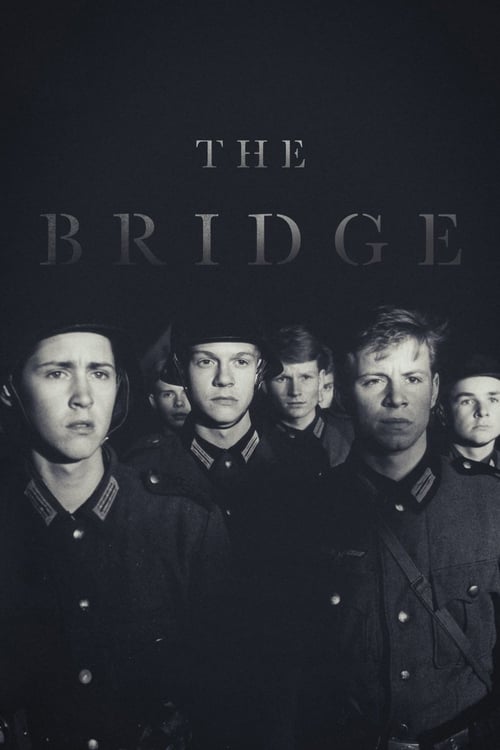
1959
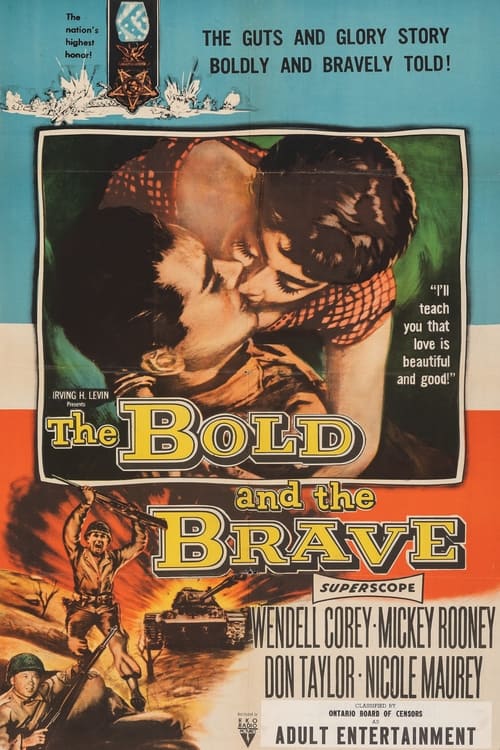
1956
1972

2010

1942
1979
1944
No reviews yet. Be the first to share your thoughts on this movie!
Use the rating form above to leave a star rating and optional review.