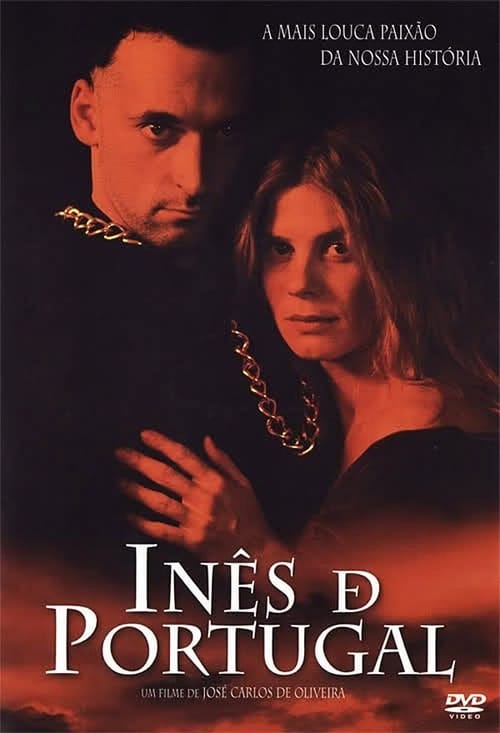
Inês de Portugal
1997
No user ratings available yet
Representation score: 3.2 out of 10
Representation Score
Good
2001
RDirector
Vicente Aranda
Runtime
115 minutes
Average Rating
No ratings yetNew Showbiz Analysis
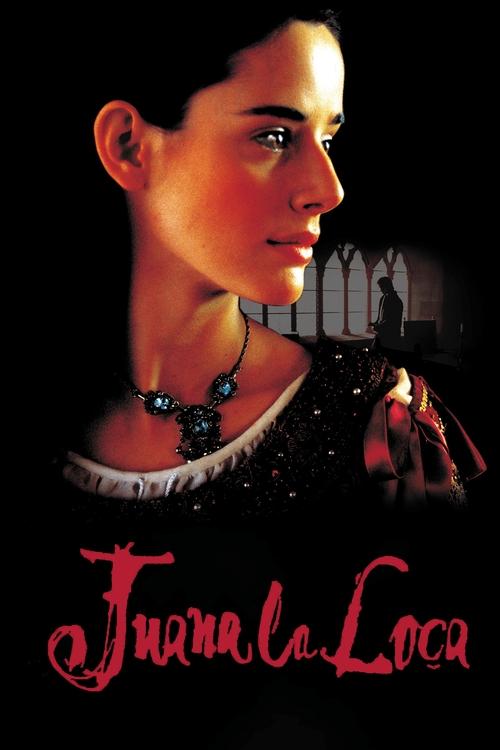
Mad Love serves as a psychological deconstruction of historical clichés, prioritizing the internal experience of Juana I over the political stability of the Spanish monarchy. It disrupts the 'Great Man' epic by framing madness as a result of emotional ability to act and systemic betrayal. While the film lacks demographic diversity in terms of race and sexual orientation, it offers progressive value through its gendered narrative structure. It critiques the institutional pressures that seek to pathologize female autonomy. The film's strength lies in its refusal to validate traditional hierarchies, opting instead for a nuanced exploration of individual passion against systemic constraint.
Category Breakdown
The film follows the straight-centered structures of its historical setting. The story focuses solely on the destructive romantic relationship between Juana and Felipe.
The film challenges traditional hierarchies by centering on a female protagonist whose emotional journey drives the plot. Juana is portrayed as taking a leading role rather than being submissive or decorative.
Casting reflects the demographic uniformity of the Spanish court during this time. The film focuses on the socio-political intricacies of the Castilian aristocracy without incorporating diverse ethnic casting.
The narrative avoids a simplistic moral framework, presenting actions as results of psychological states. It portrays political and religious institutions as oppressive forces that intensify the protagonist's isolation.
The film explores mental health through Juana's descent into perceived madness. It gives her a significant role in driving the story, treating her condition as a central part of her identity.
Present on Screen
Limited or Absent
Official Synopsis
The tragic fate of Juana I of Castille, Queen of Spain, madly in love to an unfaithful husband, Felipe el Hermoso, Archduke of Austria.
1997
1988
1944
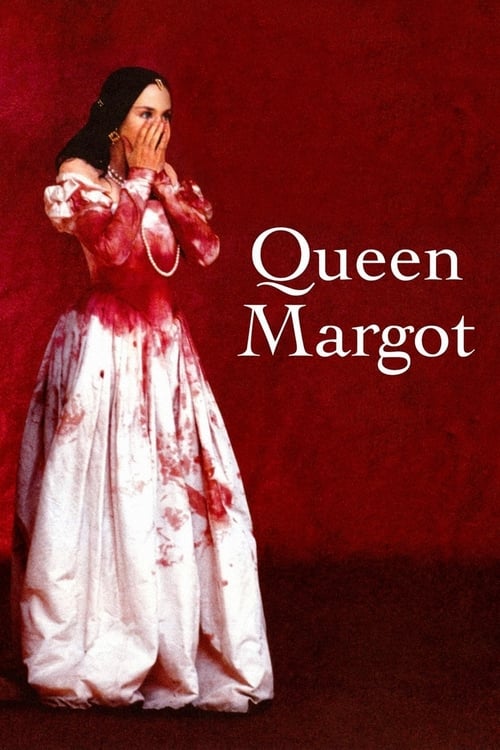
1994
1956
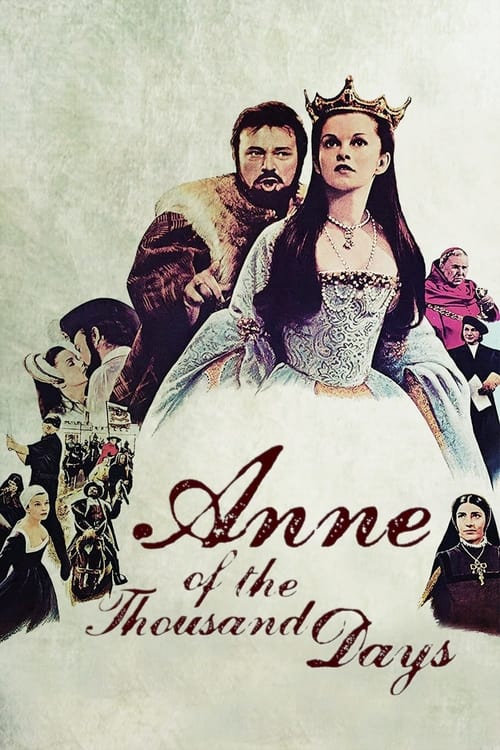
1969
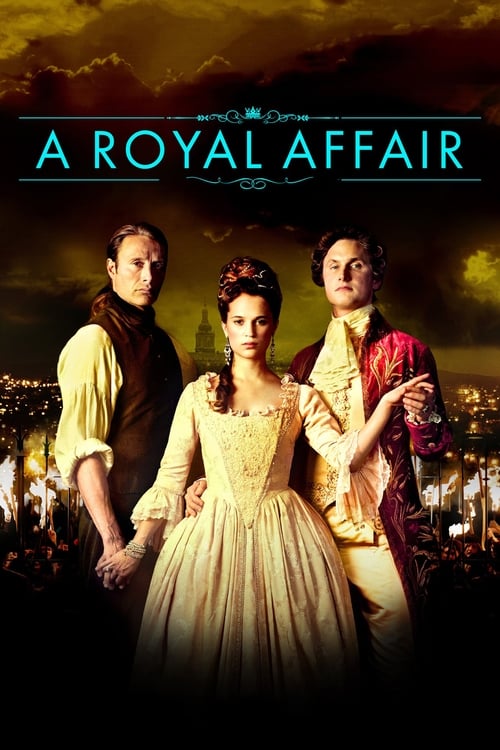
2012
1997
No reviews yet. Be the first to share your thoughts on this movie!
Use the rating form above to leave a star rating and optional review.