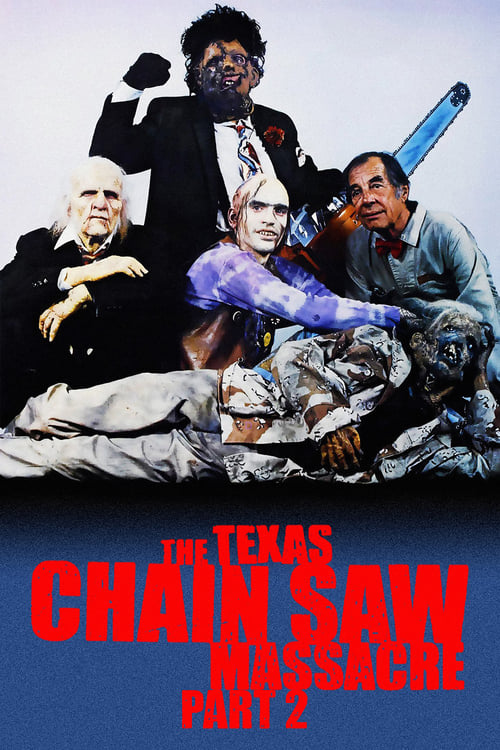
The Texas Chainsaw Massacre Part 2
1986
No user ratings available yet
Representation score: 5.1 out of 10
Representation Score
Limited
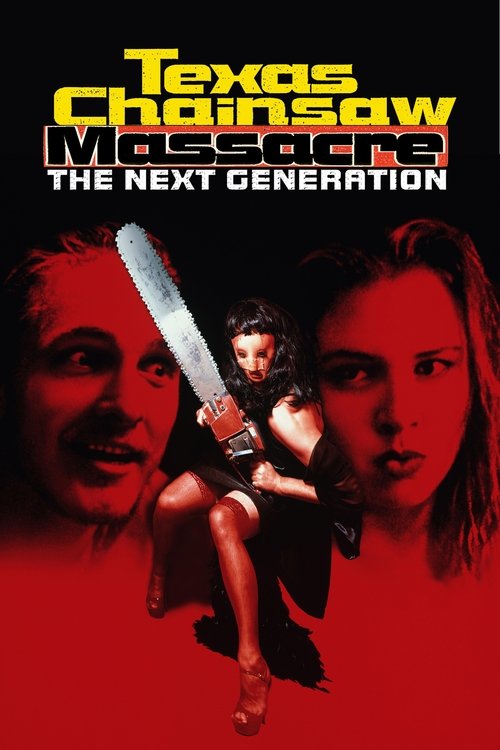
1995
RDirector
Kim Henkel
Runtime
95 minutes
Average Rating
No ratings yetNew Showbiz Analysis
The film functions as a traditional exploitation-style horror piece, relying heavily on established slasher clichés and conventional social structures. Its narrative focuses on a homogeneous ensemble in a rural setting, lacking intentional diversity. Character dynamics are driven by immediate threats rather than social or cultural exploration. Ultimately, the film reinforces existing social norms without challenging them.
Category Breakdown
The film follows conventions that assume everyone is straight or cisgender. It does not include any representation of non-cisgender identities or same-sex relationships.
Female characters play key roles in the survival plot but often serve as targets of violence rather than as agents of change.
The cast is predominantly white, with little representation of diverse ethnic backgrounds. The film lacks breadth in reflecting multiple aspects of identity.
The story deconstructs the nuclear family through extreme dysfunction, serving as a horror cliché rather than a social critique.
The film depicts mental instability among the antagonist family members, using it as a horror device rather than providing nuanced or empowered representation.
Present on Screen
Limited or Absent
Official Synopsis
A group of teenagers get into a car crash in the Texas woods on prom night, and then wander into an old farmhouse that is home to Leatherface and his insane family of cannibalistic psychopaths.
1986
1990
1987
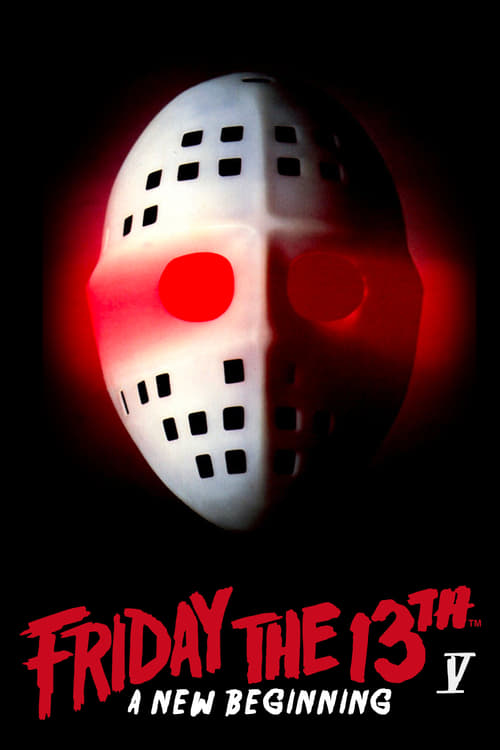
1985
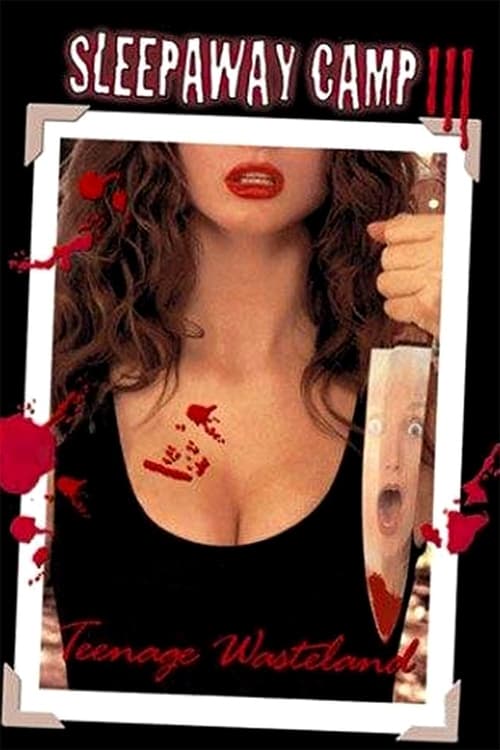
1989
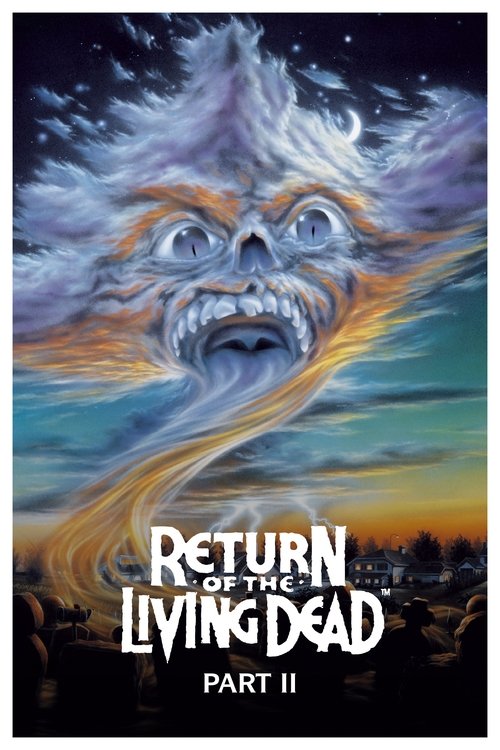
1988

2003
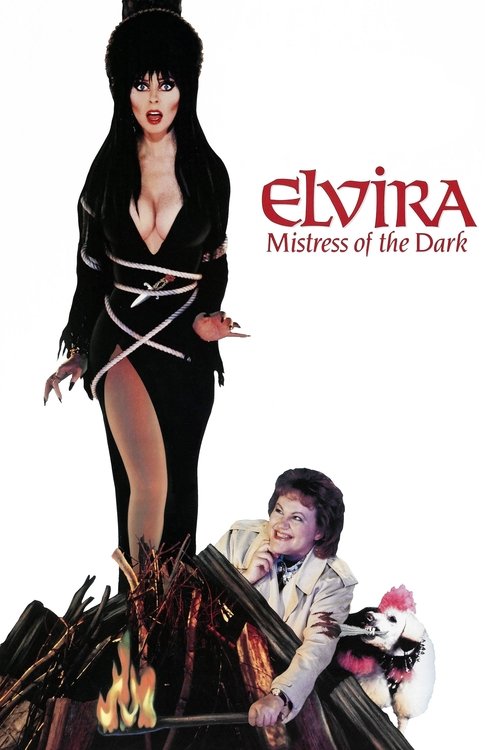
1988
No reviews yet. Be the first to share your thoughts on this movie!
Use the rating form above to leave a star rating and optional review.